

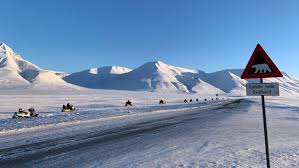
Work in Svalbard is often described as unique, but the key difference is not only the location — it is the structure of employment itself. Jobs here are divided not only by role, but also by seasonal cycles and environmental conditions. Understanding this difference is essential before considering relocation.
Looking at actual vacancies helps clarify how this system works in practice. Platforms like Layboard.in reflect this clearly — for example, Svalbard jobs listed there show how positions are divided into short-term seasonal roles and long-term employment with different expectations. This structure influences contracts, salary models, and even daily routines.
How the Job Market Is Structured
The labor market in Svalbard is built around environmental conditions. Instead of a single hiring model, employers operate with two parallel systems that respond to seasonal changes.
This means that choosing a job is not only about skills, but also about timing and adaptability to extreme conditions.
Seasonal Roles: High Demand, Limited Duration
Work tied to the tourist season reaches its peak between March and September, when companies increase hiring for guides, hospitality staff, and service roles.
These positions are usually offered on temporary contracts, lasting from several weeks up to a few months. Earnings can be relatively strong compared to similar roles on the mainland, but they are linked to heavy workloads and do not provide long-term stability.
Accommodation is often provided, but conditions may be shared or temporary. For candidates from India, this type of work can be easier to access, although adjusting to long daylight hours and physically demanding tasks may require preparation.
Year-Round Positions: Stability with Higher Requirements
Permanent roles function differently. These positions are usually connected to research stations, logistics operations, and infrastructure maintenance.
Unlike seasonal jobs, they require consistent availability throughout the year, including the polar night period. Employers expect prior experience, technical skills, and the ability to adapt to isolation.
Contracts are longer and often include structured benefits such as stable housing and predictable schedules. However, entry into these roles is more competitive and slower.
Contracts and Career Continuity
The difference between job types becomes more visible when looking at contract structure. Seasonal work is designed for flexibility, while year-round roles focus on continuity.
Short-term contracts rarely guarantee extension, but strong performance can lead to repeated offers in future seasons. Sometimes, temporary workers move into extended roles, though this outcome is not guaranteed.
For applicants from India, this route may require extra steps, including meeting formal documentation standards or building relevant local experience before being considered for long-term positions.
Salary and Benefits Differences
Earnings depend on the type of position, but how they are structured matters more than the figures themselves. Short-term roles can bring higher income over a limited period due to workload and demand, yet they do not guarantee long-term security.
In contrast, year-round positions usually offer steady pay along with additional benefits such as housing and more structured agreements. This contrast often shapes decisions, particularly for those who are considering staying longer instead of working on a temporary basis.
Working During the Polar Night
Winter changes not only the environment but also the nature of available jobs. During the polar night, tourism activity decreases, while technical and operational roles remain active.
Logistics, maintenance, and research continue to function, which makes year-round employment more relevant in this period. Seasonal roles, in contrast, become limited or unavailable.
For newcomers, especially from India, adapting to extended darkness and isolation can be one of the less obvious challenges of long-term work in Svalbard.
When Seasonal Work Becomes a Long-Term Opportunity
Although seasonal jobs are temporary by design, they can act as an entry point into the local labor market.
Employers often return to candidates who have already proven they can handle local conditions and maintain a steady level of work. This familiarity can gradually open access to more secure roles, especially in areas connected to operations or transport.
At the same time, there is no direct progression into permanent positions. The outcome depends on how consistently a person performs, their availability, and their ability to cope with the demands of an Arctic environment.
Work in Svalbard is defined less by profession and more by contract type. Understanding the difference between seasonal and year-round roles allows candidates to make decisions that match both their expectations and their ability to adapt to one of the most demanding work environments.
FAQ
Are seasonal jobs easier to get in Svalbard?
Yes, they generally have lower entry barriers and are more accessible during peak tourism periods.
Do year-round jobs offer better conditions?
They usually provide more stability, structured benefits, and long-term contracts.
Can seasonal work lead to permanent employment?
It is possible, but depends on performance and available openings.
Is housing included in most jobs?
Often yes, but conditions differ between seasonal and permanent roles.
Is Svalbard suitable for candidates from India?
Yes, but adaptation to climate, isolation, and documentation requirements should be considered.