

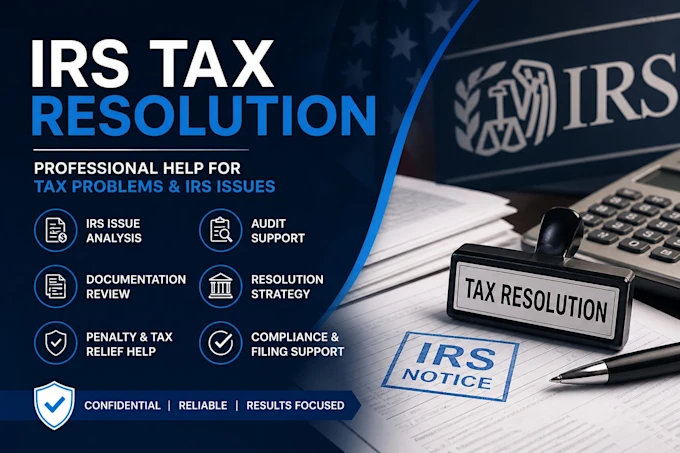
The Purpose of Tax Resolution Services
Tax resolution services are professional solutions designed to help individuals and businesses manage serious tax problems with government agencies. These services are commonly used when taxpayers face unpaid taxes, penalties, wage garnishments, tax liens, audits, or collection notices from the Internal Revenue Service. Many people become overwhelmed when tax debt grows over time due to penalties and interest, making it difficult to recover financially without professional support. Tax resolution specialists work to reduce stress by creating a clear plan to address these issues legally and efficiently.
The main goal of tax resolution services is to negotiate with tax authorities on behalf of taxpayers. Professionals in this field may include tax attorneys, certified public accountants, or enrolled agents who understand tax law and collection procedures. They review financial records, identify the exact amount owed, and determine the most suitable resolution method. These experts help clients avoid costly mistakes and ensure that all communication with tax agencies is handled correctly. By providing guidance and representation, tax resolution services give taxpayers a structured path toward financial stability.
Common Tax Problems That Require Resolution
Many taxpayers seek Tax Resolution Services after receiving repeated notices from the IRS regarding unpaid taxes. One of the most common issues involves back taxes that have accumulated over several years. When taxes remain unpaid, penalties and interest continue to grow, making the total balance much larger than the original amount owed. Some individuals also fail to file tax returns for multiple years, which can trigger aggressive collection actions from tax authorities. Without proper assistance, these situations can quickly become difficult to manage.
Businesses and self-employed individuals often face additional tax challenges involving payroll taxes or estimated tax payments. If payroll taxes are not submitted correctly, the IRS may impose severe penalties and begin collection efforts against business owners personally. Tax resolution professionals help organize records, prepare missing tax returns, and negotiate payment solutions that fit the taxpayer’s financial situation. In some cases, they may also stop bank levies, wage garnishments, or property liens that threaten a person’s income and assets. Their experience allows taxpayers to respond effectively before problems become even more serious.
How Tax Resolution Professionals Create a Solution
The tax resolution process usually begins with a complete review of the taxpayer’s financial and tax history. Professionals gather documents such as income statements, previous tax returns, bank records, and IRS notices. This investigation helps determine the size of the debt and whether penalties or errors can be reduced. Once the information is analyzed, the tax specialist develops a strategy based on the client’s financial ability and long-term goals. Every case is different, so the solution depends on the taxpayer’s income, assets, and level of debt.
One of the most popular solutions is an installment agreement, which allows taxpayers to pay their debt over time through monthly payments. Another option is an offer in compromise, where the IRS agrees to accept a reduced amount if the taxpayer cannot realistically pay the full balance. Some individuals may qualify for penalty abatement if they can prove financial hardship or reasonable cause for late payments. Tax resolution experts communicate directly with the IRS, submit required forms, and negotiate favorable terms for their clients. Their knowledge of tax procedures can improve the chances of reaching an affordable agreement while protecting the taxpayer from further collection actions.
The Benefits of Using Professional Tax Resolution Services
Hiring a tax resolution professional can provide significant advantages for people dealing with complicated tax debt. One of the biggest benefits is peace of mind. IRS notices and collection efforts often create anxiety and confusion, especially for taxpayers who do not fully understand tax laws. A professional representative manages communication with tax agencies and explains every step of the process clearly. This support helps clients feel more confident while resolving their financial problems.
Another important advantage is the potential reduction of penalties and interest. Tax resolution specialists understand programs and negotiation methods that many taxpayers are unaware of. They can identify opportunities for relief that may reduce the overall debt substantially. In addition, professionals help ensure that all paperwork is completed accurately and submitted on time. Mistakes or missing documents can delay the process and lead to additional penalties. Experienced tax professionals also help protect taxpayers from aggressive enforcement actions such as wage garnishments or frozen bank accounts. Their representation allows clients to focus on rebuilding their finances while the resolution process moves forward.
Choosing the Right Tax Resolution Service Provider
Selecting the right tax resolution company or professional is extremely important because the quality of representation can directly affect the outcome of the case. Taxpayers should look for licensed professionals with experience handling IRS negotiations and tax debt cases. Reliable providers are transparent about their fees, explain available options honestly, and avoid making unrealistic promises about eliminating all tax debt. A trustworthy professional will carefully review the client’s financial condition before recommending any specific program or solution.
It is also important to research reviews, credentials, and professional memberships before hiring a tax resolution provider. Some companies advertise quick fixes or guaranteed settlements that may not be realistic for every taxpayer. Reputable professionals focus on creating legal and practical solutions rather than offering false hope. During the consultation process, taxpayers should ask questions about communication, timelines, and the exact services included in the agreement. A qualified tax resolution expert can make a major difference in reducing financial stress and helping taxpayers regain control of their future. By choosing experienced representation and acting quickly, individuals and businesses can resolve tax problems more effectively and avoid long-term financial damage.
