

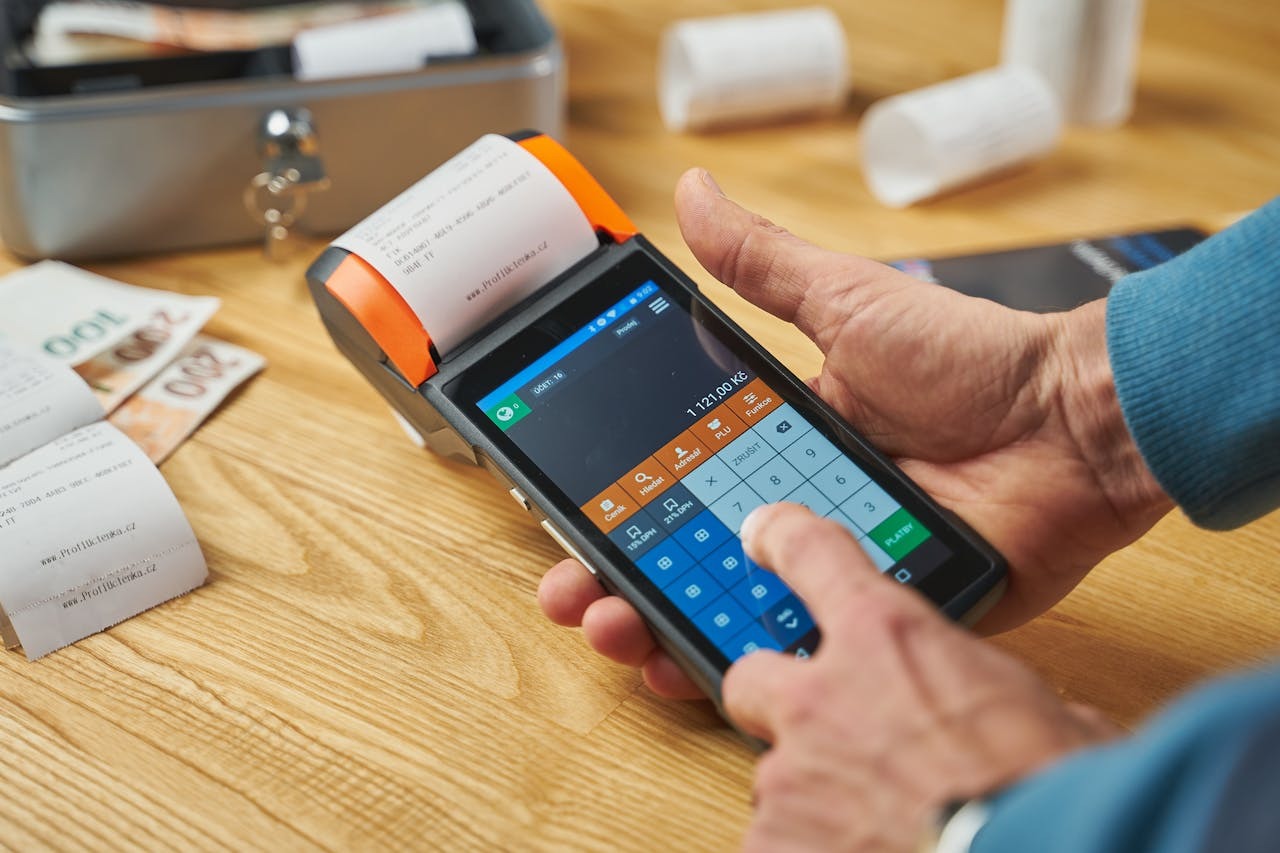
As businesses across the Middle East accelerate their digital transformation journeys, electronic invoicing has become a critical component of modern financial operations. Organizations in the UAE are increasingly adopting intelligent invoicing systems to improve compliance, automate workflows, and reduce operational inefficiencies. With regulatory changes approaching and businesses preparing for the UAE e-invoicing deadline July 2026, companies are now prioritizing advanced invoicing technologies that integrate seamlessly with enterprise systems.
One of the most effective solutions for this transition is SAP e-invoicing UAE platforms. These solutions help organizations digitize invoicing processes, improve financial visibility, and maintain compliance with evolving tax regulations. From large enterprises to fast-growing businesses, SAP-powered invoicing systems are transforming how finance departments operate in the digital era.
Understanding SAP E-Invoicing in the UAE
E-invoicing refers to the electronic generation, exchange, validation, and storage of invoices in a structured digital format. Unlike traditional PDF or paper invoices, electronic invoices are automatically processed through integrated systems, reducing manual intervention and errors.
The UAE government is steadily moving toward a more digitized tax ecosystem, encouraging businesses to modernize their financial infrastructure. As the UAE e-invoicing deadline July 2026 approaches, organizations must ensure their invoicing systems are capable of meeting future compliance requirements.
This is where SAP e-invoicing UAE solutions play a major role. SAP provides businesses with intelligent invoicing capabilities that integrate directly into ERP environments, enabling automated tax calculations, invoice validation, secure document exchange, and real-time reporting.
Why Businesses Need SAP E-Invoicing UAE Solutions
Modern businesses manage thousands of invoices every month. Manual processing can lead to delays, data inaccuracies, duplicate entries, and compliance risks. SAP e-invoicing solutions eliminate these challenges through automation and centralized financial management.
Improved Compliance Management
One of the biggest reasons companies are investing in SAP e-invoicing UAE systems is regulatory compliance. Governments worldwide are implementing stricter digital tax reporting requirements, and the UAE is following the same path.
SAP solutions help organizations:
- Maintain accurate invoice records
- Generate compliant invoice formats
- Automate VAT calculations
- Store digital invoices securely
- Reduce risks of non-compliance penalties
Preparing early for the UAE e-invoicing deadline July 2026 allows businesses to avoid rushed implementations and operational disruptions later.
Enhanced Financial Accuracy
Manual invoice processing often results in calculation errors, missing data, or duplicate entries. These mistakes can impact cash flow, reporting accuracy, and vendor relationships.
SAP e-invoicing systems automate financial workflows and ensure invoice data is validated before processing. This significantly improves accounting accuracy while reducing administrative workload.
By implementing SAP e-invoicing UAE solutions, finance teams can focus on strategic financial planning rather than repetitive manual tasks.
Faster Invoice Processing
Traditional invoice approval cycles are often slow and inefficient. Paper-based processes create delays between departments, affecting supplier payments and customer billing timelines.
SAP solutions streamline the entire invoicing lifecycle by enabling:
- Automated invoice generation
- Digital approvals
- Faster invoice routing
- Real-time invoice tracking
- Quick payment reconciliation
These capabilities improve operational efficiency and strengthen vendor and customer relationships.
Integration with Existing ERP Systems
One of the key advantages of SAP e-invoicing UAE solutions is seamless ERP integration. Many businesses in the UAE already use SAP ERP platforms for finance, procurement, and supply chain management.
SAP e-invoicing tools integrate directly into these environments, enabling businesses to centralize financial operations without requiring multiple disconnected systems.
This integration provides:
- Unified financial data
- Real-time analytics
- Improved reporting accuracy
- Better operational visibility
- Reduced IT complexity
Businesses can manage invoicing, taxation, procurement, and reporting from a single digital ecosystem.
Better Security and Data Protection
Financial data is highly sensitive, and businesses must protect invoice information from fraud, unauthorized access, and data breaches.
SAP solutions include advanced security features such as:
- Encrypted invoice transmission
- Secure cloud storage
- Role-based access control
- Audit trails
- Automated backups
These capabilities ensure financial records remain secure and compliant with regulatory standards.
As the UAE e-invoicing deadline July 2026 approaches, businesses must prioritize secure and scalable digital finance systems to protect operational integrity.
Real-Time Financial Visibility
Modern organizations require real-time access to financial information for faster decision-making. Traditional invoicing systems often create delays in reporting and cash flow analysis.
With SAP e-invoicing UAE solutions, finance teams gain instant visibility into:
- Outstanding invoices
- Payment statuses
- Vendor transactions
- VAT liabilities
- Financial performance metrics
This real-time insight improves forecasting, budgeting, and strategic financial planning.
Reduced Operational Costs
Paper invoicing and manual processing involve printing, storage, postage, and labor costs. Over time, these expenses can become significant, especially for large enterprises.
SAP e-invoicing solutions help reduce costs through:
- Paperless operations
- Workflow automation
- Reduced manual labor
- Faster approvals
- Lower storage expenses
Digital invoicing also minimizes human errors, which further reduces financial losses associated with incorrect billing or tax reporting.
Scalability for Growing Businesses
As businesses expand, invoice volumes increase rapidly. Traditional invoicing systems often struggle to handle growing transaction demands efficiently.
SAP solutions are designed to scale alongside business growth. Whether a company operates locally or across multiple international markets, SAP e-invoicing UAE platforms can support high transaction volumes while maintaining compliance and performance.
This scalability makes SAP ideal for organizations preparing for long-term digital transformation initiatives.
Supporting Digital Transformation Goals
The UAE is actively promoting digital innovation across industries. Businesses adopting intelligent financial technologies gain a competitive advantage through improved efficiency and operational agility.
Implementing SAP e-invoicing UAE systems supports broader digital transformation goals by enabling:
- Process automation
- Cloud-based financial management
- Intelligent analytics
- AI-driven reporting
- Faster business operations
Companies that modernize their invoicing infrastructure today will be better prepared for future regulatory and technological advancements.
Preparing for the UAE E-Invoicing Deadline July 2026
The upcoming UAE e-invoicing deadline July 2026 is encouraging businesses to evaluate their current invoicing systems and compliance readiness. Delaying implementation could result in rushed deployment, increased costs, and operational challenges.
To prepare effectively, businesses should:
- Assess current invoicing processes
- Identify compliance gaps
- Upgrade legacy ERP systems if needed
- Implement SAP-compatible invoicing solutions
- Train finance teams on digital workflows
- Conduct compliance testing before rollout
Early adoption provides businesses with sufficient time to optimize workflows and ensure a smooth transition to mandatory electronic invoicing requirements.
Conclusion
Digital invoicing is no longer optional for businesses aiming to remain competitive and compliant in the UAE’s evolving financial landscape. Companies must modernize their invoicing infrastructure to improve efficiency, reduce operational risks, and meet future regulatory requirements.
By implementing SAP e-invoicing UAE solutions, organizations can streamline finance operations, automate compliance processes, and gain real-time financial visibility. These systems not only improve invoicing efficiency but also support broader digital transformation strategies.
