

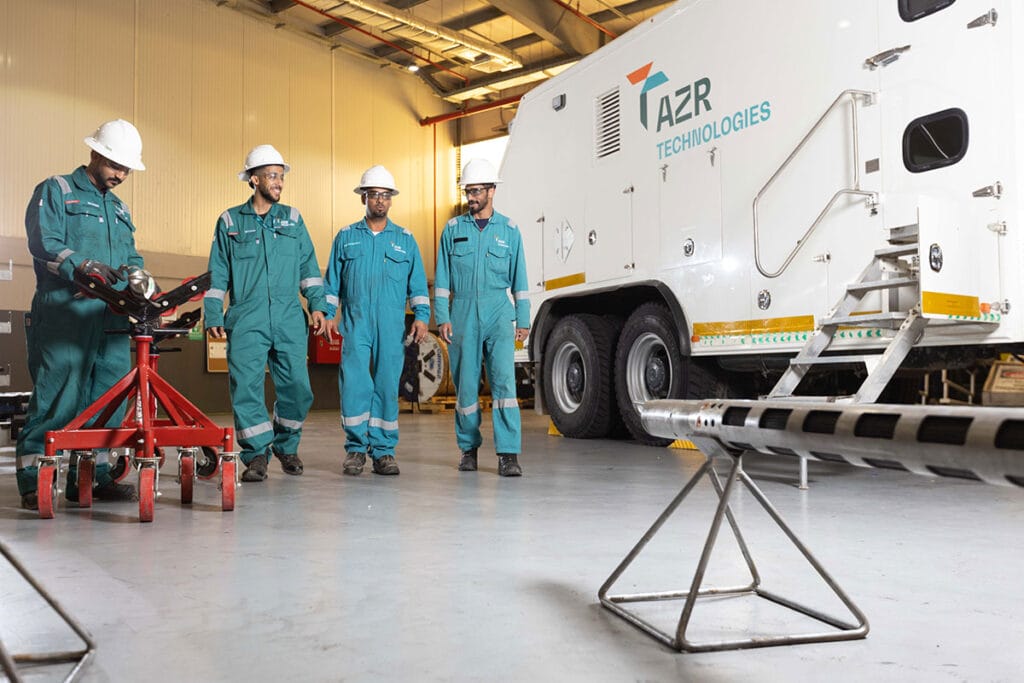
Choosing the right wireline companies is one of the most important decisions an operator makes when planning completions, workovers, or integrity checks. A strong wireline partner does more than run tools in and out of the wellbore. The right team provides high‑quality data, clear communication, and practical support that helps your engineers and supervisors make confident decisions.
When wireline work is done well, your operation benefits from reliable measurements, fewer repeat runs, and smoother coordination on location. When it is done poorly, you face delays, questionable logs, and unnecessary stress on your crews.
What Modern Wireline Services Really Provide
Today’s wireline work covers a wide range of services that support the entire life of a well. A capable provider typically offers:
- Cased hole logging to understand reservoir behavior and production performance
- Cement bond evaluation to verify zonal isolation and detect channeling
- Casing inspection to identify corrosion, deformation, or leaks before they become serious issues
- Pulsed neutron and production logging to track saturation changes and fluid movement
- Mechanical integrity testing for storage wells and mature assets
These services give your team a detailed picture of conditions downhole. With accurate logs and clear interpretations, you can select the right completion designs, plan targeted interventions, and manage risk more effectively.
Why the Quality of Wireline Work Matters
Wireline operations often take place during critical phases of a project. The quality of that work has a direct impact on cost, safety, and long‑term well performance. High‑quality wireline support helps you:
- Protect production by catching problems early
- Reduce non‑productive time through efficient planning and execution
- Improve safety with dependable measurements under demanding conditions
- Extend asset life via regular integrity checks and informed remediation
Just as important, dependable service reduces pressure on your people. When company representatives, supervisors, and engineers trust the data they see, they can focus their energy on selecting the best course of action, not arguing about whether the logs are accurate.
What to Look For When Comparing Wireline Companies
Choosing between wireline providers involves more than comparing price sheets. The most effective operators look at how each company performs in real‑world situations and how they support the people on location.
Experience and Focus
A strong wireline partner brings seasoned crews and specialized knowledge to every job. Look for companies that:
- Have extensive experience in cased hole environments
- Understand high‑pressure, high‑temperature situations
- Can adapt tool strings and procedures when conditions change
- Maintain a clear focus on the services they do best
Experience shows in how a crew prepares, how they react when something unexpected happens, and how they communicate with your team.
Technology and Data Quality
Wireline work is only as valuable as the data it produces. When you evaluate a provider, pay close attention to:
- The capability and condition of their tools and logging systems
- Whether they can combine multiple measurements in fewer runs
- How they process, verify, and present logs
- The clarity of their reports and interpretations
Your engineers should be able to open the data, understand it quickly, and use it immediately in their decision‑making. Clean, well‑organized logs save time and reduce the risk of misinterpretation.
Safety Culture and Training
Wireline operations place crews close to heavy equipment, high pressures, and complex environments. A strong safety culture protects everyone on site. Signs of a genuine safety focus include:
- Well‑maintained trucks, units, and tools
- Consistent pre‑job meetings and hazard discussions
- Clear procedures for handling pressure control and contingencies
- Crews who speak up when something does not look right
Safety is visible in the small details: how tools are handled, how lines are routed, and how carefully procedures are followed, even when the schedule is tight.
Responsiveness and Communication
Energy work often runs on tight timelines. When schedules shift, you need wireline support that can adapt. Effective providers:
- Respond quickly to calls, messages, and last‑minute changes
- Provide realistic mobilization times and stick to them
- Keep your team informed about progress and any developing issues
- Explain technical points in straightforward, practical language
Good communication reduces stress for everyone and helps keep the job on schedule.
Partnership With Your Team
The strongest wireline relationships feel like a partnership, not a transaction. A good provider:
- Listens carefully to your objectives before suggesting tools or services
- Asks questions about well history, completion design, and known challenges
- Adjusts plans based on your feedback and real‑time conditions
- Review results with your team so everyone understands the key takeaways
This kind of collaboration leads to better runs, fewer surprises, and more useful data.
Practical Ways to Get More Value From Wireline Services
Even the best wireline companies perform better when you and your team set clear expectations. A few simple practices can significantly improve results:
- Define objectives clearly. Before the job, confirm what questions the logs must answer. Are you verifying cement, checking for casing damage, or planning a targeted workover? Clear goals guide tool selection and job design.
- Share well and field history. Provide prior logs, completion details, and notes about previous issues. This context helps the wireline engineer tailor the program to your specific needs rather than relying on generic setups.
- Confirm technical requirements early. Discuss pressure ratings, temperature ranges, cable requirements, and any special hardware well in advance. Early planning reduces the chance of delays on location.
- Encourage open communication on-site. Keep a steady flow of information between your company representative, engineers, and the wireline supervisor. Quick updates and questions during the job improve outcomes.
- Review results together. After the run, spend a few minutes going over the logs with the wireline engineer. Ask for clarification on key intervals, tool responses, and suggested next steps.
These habits add a human element to the process: real conversations, shared understanding, and mutual accountability. That is where much of the value in wireline work is created.
Building Long‑Term Relationships With Wireline Providers
While it is possible to treat each job as a one‑off transaction, many operators see better results by building long‑term relationships with trusted wireline partners. Over time, this approach offers several advantages:
- The provider learns your preferences, standards, and unique challenges
- Planning becomes faster and more efficient for each new job
- Your engineers and their crews develop a shared technical language
- Both sides gain confidence in the data and the process
When everyone involved understands how the other side works, coordination improves, and the overall quality of each job rises.
Conclusion: Choosing the Right Wireline Partner
Wireline services sit at the intersection of technology, field experience, and human judgment. The best wireline companies combine reliable tools with crews who communicate clearly, respect safety, and understand the pressures your teams face every day.
By focusing on experience, data quality, safety culture, responsiveness, and genuine collaboration, you can choose a partner that supports your goals on every job. With the right wireline provider at your side, you gain better information, stronger decisions, and more predictable outcomes for your operations.