

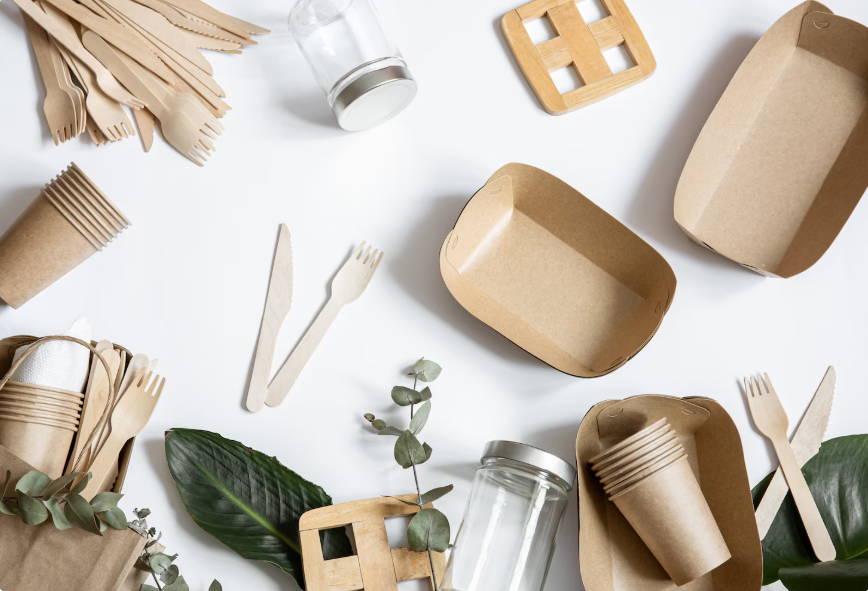
In the pursuit of a more sustainable future, the implementation of biodegradable food packaging is gaining momentum. With growing environmental concerns and increasing regulations aimed at reducing plastic waste, businesses and consumers are becoming more inclined towards eco-friendly packaging solutions. This shift not only helps in minimising the environmental footprint but also favours businesses in aligning with consumer expectations for sustainable practices.
The Importance of Biodegradable Packaging
Biodegradable packaging is critical in reducing the amount of waste that ends up in landfills and oceans. Unlike traditional plastic that can take hundreds of years to decompose, biodegradable materials break down much faster and are often made from renewable resources. This not only helps in conserving natural resources but also reduces pollution and greenhouse gas emissions.
Key Materials in Biodegradable Food Packaging
Biodegradable food packaging is typically made from natural materials such as cornstarch, cellulose, and sugarcane. These materials are not only renewable but also decomposable, making them ideal for sustainable packaging solutions. Cornstarch-based packaging, for example, can break down in a matter of months under industrial composting conditions.
Innovative Approaches in Biodegradable Packaging
Innovation is at the forefront of biodegradable packaging solutions. Companies are experimenting with various materials and techniques to enhance the performance and functionality of these packages. For example, vegetable inks are being used for printing on packaging to ensure that the entire product is environmentally friendly.
Integrating Biodegradable Solutions in the Food Industry
The food industry is one of the largest users of packaging materials, and incorporating biodegradable options can have a substantial impact. Many businesses are already making strides by offering fully biodegradable containers, cutlery, and wraps that cater to a wide range of food products.
Biodegradable Packaging and Consumer Behaviour
There is a notable shift in consumer behaviour as more individuals become aware of environmental issues. This change is driving demand for products that use biodegradable packaging. Consumers are more willing to support brands that are committed to sustainability, which is leading to an increase in demand for eco-friendly packaging solutions.
Challenges in the Adoption of Biodegradable Packaging
While biodegradable packaging offers numerous benefits, its adoption is not without challenges. These include higher costs compared to conventional packaging, limited availability of resources, and the need for facilities to properly compost these materials.
Government Regulations and Initiatives
Governments around the world are implementing stricter regulations to reduce plastic waste and promote the use of biodegradable packaging. These initiatives are playing a crucial role in encouraging businesses to transition towards more sustainable packaging solutions.
The Role of Technology in Advancing Packaging Solutions
Technology is playing a significant role in advancing biodegradable packaging solutions. New technologies are enabling the development of more efficient and cost-effective materials, which can help reduce the overall impact of packaging on the environment.
Corporate Responsibility and Environmental Impact
Companies are under increasing pressure to demonstrate corporate responsibility in terms of their environmental impact. By adopting biodegradable packaging, businesses can significantly reduce their carbon footprint and improve their public image.
Future Trends in Biodegradable Packaging
The future of biodegradable packaging is promising, with ongoing research and development leading to innovative products that are better for the planet. Trends indicate a growing interest in innovative materials that not only biodegrade but also offer the same functional benefits as traditional packaging.
Biodegradable Packaging as a Competitive Advantage
For businesses, incorporating biodegradable packaging can serve as a competitive advantage. Companies that adopt sustainable practices can differentiate themselves from competitors, attract environmentally conscious consumers, and enhance their brand loyalty.
Case Studies of Successful Implementation
Several companies have successfully implemented biodegradable packaging solutions, showcasing the practical benefits and consumer acceptance of these initiatives. These case studies serve as valuable models for other businesses looking to make the transition to more sustainable practices.
Educational Campaigns and Consumer Awareness
Education is key to increasing the acceptance and support of biodegradable packaging. By conducting educational campaigns, businesses can inform consumers about the benefits of sustainable packaging and encourage environmentally friendly choices.
Conclusion
Biodegradable food packaging represents a pivotal step towards a sustainable future. As technology advances and consumer demand for eco-friendly products grows, the adoption of biodegradable solutions is likely to become the norm across industries. The collaborative efforts of businesses, governments, and consumers will be crucial in driving this transition towards a more sustainable world.