

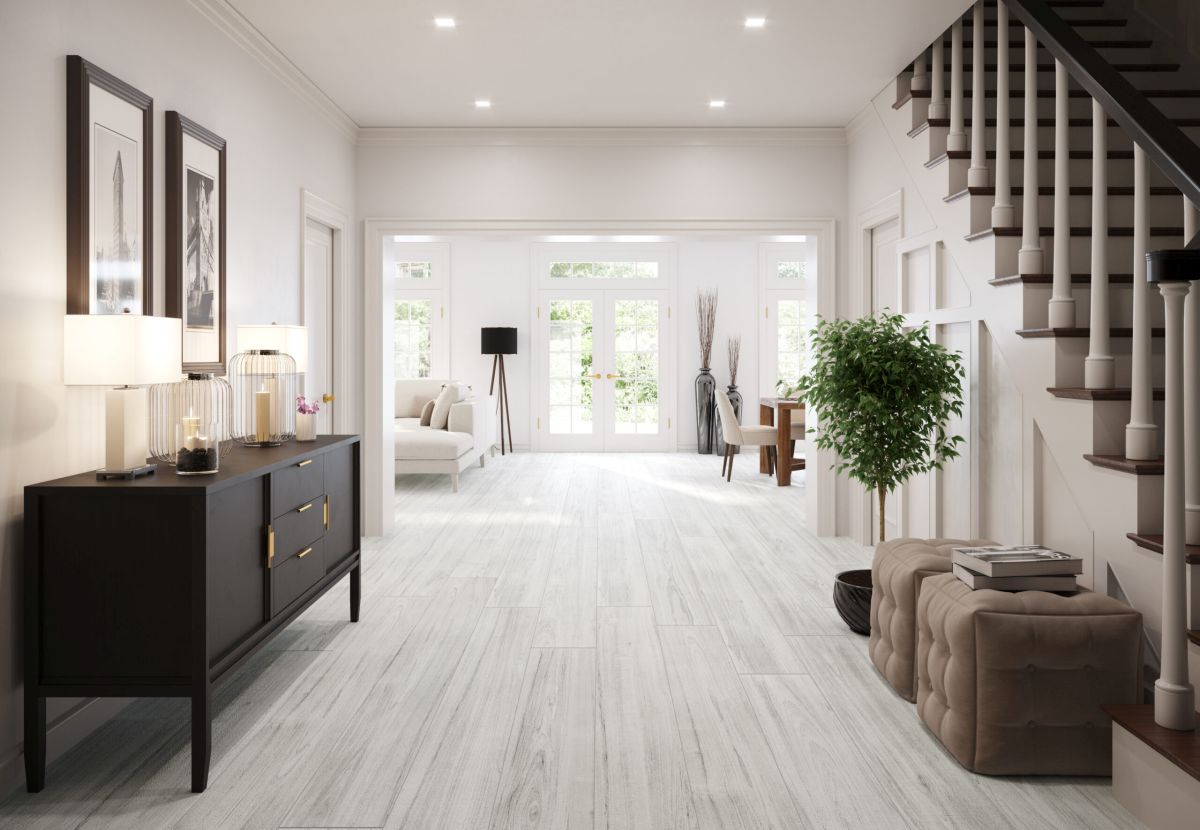
Light toned timber flooring has become one of the most popular interior design trends in modern homes. Homeowners increasingly prefer brighter, more natural looking spaces that feel open, calm, and visually spacious. Among the most requested finishes are whitewash timber floors and white stained timber floors, both of which create lighter flooring appearances while offering very different visual effects.
Although the two styles may appear similar at first glance, they differ significantly in colour depth, texture visibility, maintenance appearance, and overall interior atmosphere. Understanding these differences can help homeowners choose a flooring style that better suits their design preferences and lifestyle needs.
What Whitewash Timber Floors Look Like
Whitewash timber floors are designed to create a softer, more faded appearance that allows a large amount of the timber grain and natural texture to remain visible. The finish usually adds a light white or chalky wash over the wood while still preserving warmth and organic variation underneath.
This style often creates a relaxed coastal, Scandinavian, or contemporary aesthetic with a more natural and airy feel.
Whitewashed floors typically appear lighter and less uniform than heavily stained finishes.
What White Stained Timber Floors Look Like
White stained timber floors use pigmented stains to alter the timber colour more directly and evenly. Depending on the stain intensity, the result may appear brighter, cooler, or more modern than a traditional whitewash finish.
Some white stains still allow grain visibility, while others create a stronger colour overlay that changes the timber appearance more dramatically.
White stained floors often suit minimalist, modern, or highly refined interior styles where a cleaner and more controlled colour palette is preferred.
Natural Texture Visibility Is One Of The Biggest Differences
One major difference between the two styles is how much natural timber texture remains visible after finishing.
Whitewash finishes generally preserve more organic variation and grain detail, giving the floor a softer and more textured appearance. White stained finishes may create a smoother or more even visual effect depending on the stain application and timber species.
Homeowners comparing whitewash timber floors vs white stained options often base decisions on whether they prefer a more natural look or a cleaner contemporary finish.
Texture visibility strongly influences the overall atmosphere of the space.
Lighting Conditions Affect Each Finish Differently
Natural and artificial lighting can significantly influence how both flooring styles appear within a home.
Whitewashed floors often reflect light softly while maintaining warmth and texture. White stained floors may appear brighter or cooler depending on stain tone and surrounding interior colours.
Rooms with strong natural light may highlight grain detail more dramatically, while darker spaces may benefit from brighter white stained finishes that help increase visual openness.
Lighting should always be considered when selecting lighter flooring finishes.
Interior Style Compatibility Matters
Whitewashed timber floors are commonly associated with coastal homes, Scandinavian interiors, relaxed contemporary spaces, and natural material palettes.
White stained floors often suit minimalist architecture, modern apartments, luxury interiors, and monochromatic colour schemes where cleaner contrast and sharper styling are preferred.
The surrounding furniture, wall colours, and interior textures all influence which flooring style feels more balanced within the overall design.
Maintenance Appearance Can Differ
Both finishes require regular maintenance like all timber flooring, but wear patterns may appear differently over time.
Whitewashed floors sometimes hide small scratches, dust, and everyday wear more naturally because of their softer textured appearance and colour variation. White stained finishes with smoother uniform colouring may reveal marks or surface wear differently depending on sheen level and stain intensity.
Practical lifestyle considerations are important alongside aesthetics.
Timber Species Can Influence Final Results
Different timber species react differently to whitewash and white stain applications. Oak, ash, blackbutt, and other lighter timber varieties may produce very different final appearances depending on grain pattern, porosity, and natural colour tones.
Professional sampling and testing are often recommended before final installation decisions are made.
The same finish can appear noticeably different across timber species.
Long Term Design Flexibility Is Worth Considering
Neutral light flooring styles generally offer strong long term flexibility because they pair well with many interior trends and colour palettes over time.
However, homeowners should still consider whether they prefer a timeless natural appearance or a more contemporary designer look before choosing a finish.
Flooring often becomes one of the most visually dominant elements within a home, making long term satisfaction especially important.
Helpful Related Interior Design Research
Homeowners also benefit from reviewing Scandinavian interior design trends and low maintenance timber flooring finish options because these related topics provide broader insight into creating balanced and practical modern interiors.
Better planning supports stronger long term design outcomes.
Whitewash Vs White Stained Floors
Whitewash timber floors and white stained floors both offer beautiful light toned flooring options, but they create very different visual effects within a space. Whitewashed finishes generally provide a softer, more natural, and textured appearance, while white stained floors often create a cleaner, brighter, and more modern aesthetic.
Choosing between the two depends on interior style preferences, lighting conditions, maintenance expectations, and the level of natural timber character homeowners want to preserve.
By understanding the differences carefully, homeowners can select flooring finishes that better complement both their lifestyle and long term design vision.
