

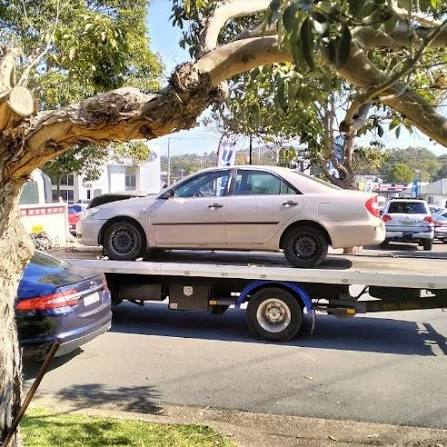
Selling a car is an important decision, especially when you want to receive a fair price without spending too much time organising the sale. Whether you are upgrading to another vehicle, no longer need your current car or simply want to free up some money, understanding the selling process can help you make a better decision.
Car owners in Newcastle have several options when selling their vehicles. These may include private sales, dealership trade-ins and selling directly to a car-buying business. Each option has different advantages, payment arrangements and levels of convenience.
Getting the best price does not always mean choosing the highest advertised offer. You should also consider the time involved, preparation costs, paperwork and how quickly you want to complete the transaction.
With some preparation and a clear understanding of your vehicle’s value, you can approach the selling process with greater confidence.
1. Understand Your Car’s Market Value
Before advertising or contacting potential buyers, it is important to understand how much your vehicle may be worth.
The market value of a car depends on several factors, including:
- Make and model.
- Year of manufacture.
- Kilometres travelled.
- Overall mechanical condition.
- Exterior and interior condition.
- Service and maintenance history.
- Registration status.
- Current demand for the vehicle.
Researching similar vehicles can give you a general idea of the asking prices in Newcastle. Compare cars with similar specifications, mileage and condition rather than relying on the price of a completely different model.
Remember that advertised prices are not always the final selling prices. A realistic valuation should account for the condition of your vehicle and the price buyers are likely to pay.
2. Compare Different Ways to Sell Your Car in Newcastle
Choosing the right selling method can influence both the amount you receive and how much effort the process requires.
If you are researching ways to sell my car newcastle, it is worth comparing the main options before making a decision.
Private Sale
Selling privately allows you to advertise your vehicle directly to potential buyers. You can choose your asking price, communicate with interested people and negotiate the final amount.
However, private sales require time and organisation. You may need to create advertisements, respond to enquiries, arrange inspections and manage negotiations.
You should also be prepared to handle the necessary paperwork and payment arrangements.
Dealership Trade-In
A dealership trade-in allows you to use your existing vehicle as part payment towards another car.
This option can be convenient if you are planning to purchase a replacement vehicle. However, the trade-in offer may be lower than what you could potentially receive through a private sale.
It is worth obtaining more than one valuation before accepting an offer.
Direct Car Buyers
Direct car-buying businesses provide another option for people who want to sell without managing a private advertisement.
Depending on the buyer, the process may involve providing vehicle details, receiving an initial valuation, arranging an inspection and accepting a final offer.
For some sellers, this can be a more straightforward alternative to dealing with multiple private enquiries.
3. Prepare Your Vehicle Before Getting a Valuation
The condition of your vehicle can influence the price offered by potential buyers.
You do not necessarily need to spend a large amount on repairs before selling. However, taking care of basic presentation and maintenance can help create a better impression.
Consider the following preparation steps:
- Wash the exterior and clean the wheels.
- Vacuum the interior and remove personal belongings.
- Clean the dashboard, seats and windows.
- Remove unnecessary items from the boot.
- Check that lights and indicators are working.
- Gather available service and maintenance records.
- Make sure the vehicle’s keys and accessories are available.
If the vehicle has mechanical issues, be honest about its condition. Buyers may arrange an inspection, so providing accurate information can help avoid disagreements later.
4. Keep Your Service History and Documents Ready
Vehicle documentation can help buyers understand how well the car has been maintained.
Before selling, organise the documents you have available.
These may include:
- Vehicle registration information.
- Service history.
- Maintenance and repair receipts.
- Owner’s manual.
- Warranty information, if applicable.
- Roadworthy certificate, where required.
- Relevant ownership and transfer documents.
A complete service history can provide additional confidence to buyers because it shows the maintenance work carried out during your ownership.
You should also check the current NSW requirements for transferring vehicle registration and notifying the relevant authorities after the sale.
5. Get Multiple Offers Before Accepting a Price
One of the most effective ways to assess whether an offer is reasonable is to compare it with other available offers.
Avoid accepting the first valuation without considering other options, particularly if you are unsure about your car’s current market value.
When comparing offers, look at:
- The proposed purchase price.
- Whether the offer is subject to inspection.
- Any additional fees or deductions.
- Payment arrangements.
- Collection or delivery arrangements.
- How quickly the sale can be completed.
An offer that initially appears higher may include conditions that affect the final amount you receive.
Getting multiple valuations gives you a better understanding of what buyers are prepared to pay.
6. Understand What Affects Your Car’s Selling Price
Several factors can influence the amount a buyer is willing to offer.
Vehicle Age and Mileage
Older vehicles and cars with higher kilometres may attract lower offers, although the make, model and maintenance history also matter.
Mechanical Condition
A vehicle with a well-maintained engine, transmission, brakes and other major components may be more attractive to buyers.
Exterior and Interior Appearance
Visible damage, scratches, worn seats and interior condition can influence a buyer’s assessment.
Market Demand
Some vehicle types and models attract stronger demand than others. Fuel efficiency, vehicle size, brand reputation and availability can all influence buyer interest.
Registration and Documentation
Current registration and organised documentation can make the transaction easier, although the impact on price depends on the buyer and vehicle.
Understanding these factors helps you set realistic expectations before negotiating.
7. Negotiate Without Undervaluing Your Vehicle
Negotiation is a normal part of selling a car. Buyers may offer less than your asking price, particularly when they identify issues during an inspection.
Before entering negotiations, decide on a realistic minimum amount you are willing to accept.
Keep the following points in mind:
- Use comparable vehicle prices to support your asking price.
- Be prepared to explain your vehicle’s maintenance history.
- Consider genuine offers rather than focusing only on the highest amount.
- Avoid accepting pressure to make an immediate decision.
- Confirm the final amount and payment arrangements in writing.
A professional and straightforward approach can help keep negotiations productive.
8. Complete the Sale and Ownership Transfer Properly
Once you accept an offer, make sure the transaction is completed correctly.
In New South Wales, sellers should follow the relevant Service NSW requirements for notifying the sale and transferring registration.
Before handing over the vehicle:
- Confirm that payment has been received.
- Complete the required sale and transfer documentation.
- Record the buyer’s details.
- Keep a copy of relevant transaction records.
- Remove personal belongings and stored information.
- Remove your vehicle from any connected accounts or applications where necessary.
Never rely solely on a verbal agreement. Keeping appropriate records can help protect both parties if questions arise after the transaction.
9. Choosing the Easiest Way to Sell Your Car
The easiest selling method depends on your priorities.
If you want to manage the price negotiation yourself and have time to communicate with potential buyers, a private sale may be suitable.
If you are replacing your vehicle, a dealership trade-in may be more convenient.
If you prefer a more direct process without advertising the car privately, contacting a car-buying business may be worth considering.
For sellers looking for the easiest way to sell my car in Newcastle, the most suitable option is one that offers a fair valuation, clear payment arrangements and a straightforward ownership transfer process.
Final Thoughts
Getting the best price when selling your car in Newcastle requires preparation, research and a clear understanding of your available selling options. Checking comparable vehicle prices, organising maintenance records, preparing the vehicle and comparing multiple offers can help you make a more informed decision.
You should also consider the time and effort involved in each selling method. The highest initial offer may not always represent the most suitable option once conditions, additional costs and transaction arrangements are considered.
By understanding your vehicle’s value and reviewing the available options, you can approach the sale with realistic expectations and work towards a fair outcome.