

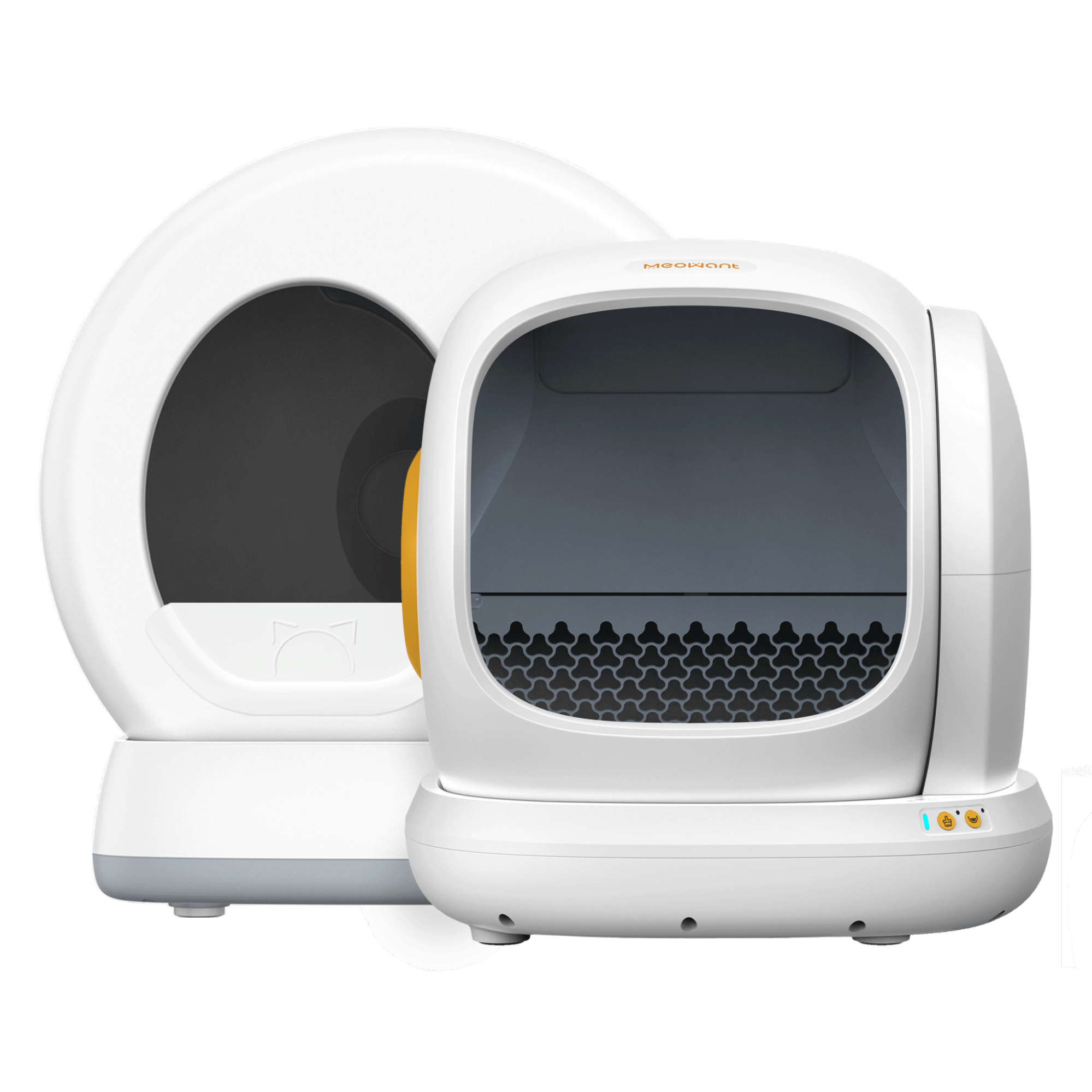
The box is installed, the app is connected, and your cat wants nothing to do with it. The cat sniffs the entrance, watches the drum turn once, and retreats to the hallway, where the old plastic tub still sits. This is the most common hiccup in the whole automated-litter experience, and it almost always resolves with patience and a few deliberate changes.
Cats are conservative about elimination. A box is a place where they are vulnerable, so anything new, loud, or unpredictable gets treated with suspicion. The goal is not to force acceptance but to let the cat decide the machine is boring. This guide covers what drives the resistance, how to introduce a unit at the cat’s pace, and what to do when progress stalls. Owners of skittish, senior, or rescue cats will find the slow approach especially useful.
Why the Machine Feels Unfamiliar
To you it is a helpful appliance. To your cat it is a strange object that makes noise and moves without warning. The drum turns, the rake scrapes, and the whole thing smells faintly of factory plastic. Each of those is a small reason to be cautious, and together they can be enough to send a timid cat back to the familiar tub indefinitely.
Understanding the fears makes the solution clearer. A self cleaning litter box is a bad first impression if it is introduced at full volume in an unfamiliar spot. It is an easy yes if it is quiet, stable, and associated with food, play, and the cat’s own scent.
Noise and motion as the primary triggers
The cycle is the biggest obstacle. A machine that starts while the cat is still near it reinforces the association between the box and surprise. Most units include a delay setting precisely for this reason. Set the longest delay available during the introduction period so nothing moves while the cat is in the room, and let the cat see the box sitting still long before it sees it working.
The scent problem
New plastic and new litter smell wrong to a cat that has used the same substrate for years. Put a scoop of used litter from the old box into the new one, and use the same litter brand the cat already accepts. Do not switch litter and box at the same time; that is the fastest way to produce a refusal.
Setting Up the Box for a Cautious Cat
Placement and entry are the two levers you control before the cat makes any decision at all. Get them right and acceptance usually follows without drama.
Choose a quiet, familiar location
Put the new box where the old one stood if possible. Cats navigate by routine and scent, and the familiar corner does much of the introduction work for you. Avoid placing it next to a washing machine, a furnace, or a door that slams. If the old location cannot accommodate the unit, move it close and expect a slightly longer adjustment period.
Lower the entry step if needed
High-sided models are excellent for keeping litter in, but they are intimidating for nervous cats, small breeds, and seniors. A ramp or a step-through opening solves this. If the model allows it, remove the lid during the first week so the cat can see there is nothing to fear inside. The lid can go back on once the cat is using the box regularly.
Keep a second box during the transition
Do not remove the old box until the new one has been in consistent use for at least two weeks. Keep it nearby but do not clean it as often as usual; the slightly used state gives the new box time to lose its novelty. Once the cat uses the new box for a full week with no accidents, the old one can be removed. Racing this timeline is the most common reason introductions fail.
Running the Introduction in Stages
The introduction should be measured in days, not hours. Each stage builds on the last, and you should only move forward when the cat is calm and curious rather than tense.
The first few days
Leave the unit powered off and unplugged, lid removed, with familiar litter inside. Place treats near the entrance and play with a wand toy so the cat approaches the box on its own terms. Do not push the cat toward the entrance; let it investigate. Success at this stage looks like the cat sniffing the rim and walking past without bolting.
Switching it on
After the cat is comfortable with the stationary box, power it on with the longest delay setting. Run a cycle manually while the cat is in another room, so the machine becomes part of the background sound before it is experienced up close. Do it once or twice a day for the first few days, then leave it in automatic mode. If the cat watches a cycle from a distance without fleeing, you are on track.
The first real visit
Watch quietly and do not interfere. If the cat uses the box and the machine cycles correctly afterward, note the sound level and confirm your delay setting is long enough to keep the machine still while the cat is nearby. If the cat leaves mid-cycle and seems unsettled, extend the delay and reduce cycle frequency until the next attempt.
What to do when progress stalls
If the cat refuses for more than two weeks despite the slow approach, go back a stage. Reintroduce the old box, keep the new one powered off, and re-examine the basics: Is the entry height right? Is the location too busy? Is the litter the same? Most setbacks trace to one of these environmental details rather than to the cat being stubborn.
The Signals That Tell You It Is Working
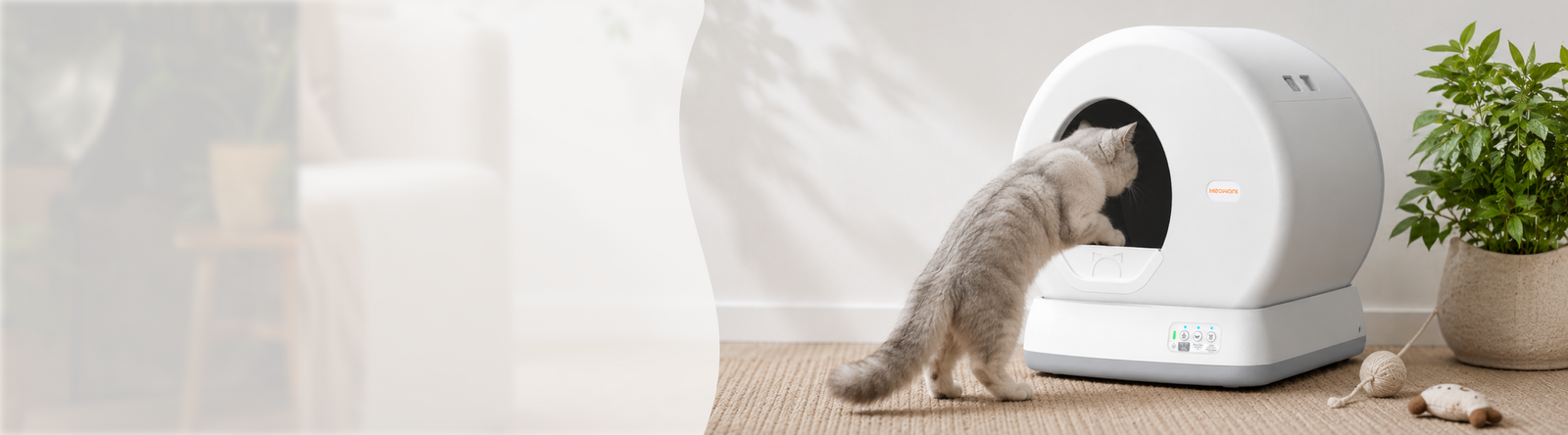
Look for signs that the cat has accepted the machine. Using it without hesitation, approaching it while it cycles, and returning to the box the next day are all positive signs. Scratching near the entrance or resting beside it means the box has become part of the room’s furniture, which is exactly what you want.
Watch for warnings too. Hiding, avoiding the room, using the floor nearby, or suddenly refusing the old box are signals that something about the new setup is wrong. Fix the environment rather than the cat’s behavior. A cat that refuses is communicating, and the message is almost always about the box, not about the cat’s temperament.
Special cases: kittens, seniors, and rescue cats
Some cats need more than the standard introduction. Kittens are light enough that a unit’s weight sensors may not register them, so confirm the minimum weight threshold before trusting the machine to cycle safely around a young cat. Seniors often need a lower entry and a shorter walk to the box, and they may appreciate a softer litter that does not irritate aging paws. Rescue cats come with unknown histories; if you do not know whether the cat has ever seen an automated box, assume it has not and treat the introduction as a first-time experience from the very beginning.
For all three groups, the same principle applies: make the box the easiest option in the house. A kitten should be able to reach it without climbing, a senior should be able to enter without a jump, and a rescue cat should be able to retreat without crossing another cat’s territory. Physical access is the foundation on which every other comfort measure is built.
When to consult your vet
If a previously reliable cat avoids all boxes, or shows signs of straining or urgency, treat it as a medical matter. Aversion to a new box can trigger a urinary problem worth ruling out, especially in male cats. Owners sometimes misread a medical issue as stubbornness, so a vet call is never wasted if the behavior change is abrupt.
Once the cat is comfortable, maintain the routine: keep the drawer clean, keep the litter at the fill line, and avoid changing settings while the cat is nearby. Consistency is what keeps a nervous cat confident, and confidence is what turns a cautious introduction into a quiet, permanent habit.
A Calm Cat Is the Best Test of a Good Box
Getting a nervous cat comfortable with a self-cleaning box is a matter of pacing. Lower the stakes, quiet the machine, keep the familiar scent, and let the cat decide on its own schedule. The owners who succeed are rarely the ones with the most patience; they are the ones who changed the environment until the cat had nothing left to fear.
Treat the old box as a safety net during the transition, resist the urge to intervene during cycles, and go back a stage whenever progress stalls. When the cat finally walks in without checking over its shoulder, you will have a habit that lasts, and a machine that earns its place by being the least interesting object in the room.
