

Slang is always evolving, with new words appearing and spreading faster than ever thanks to social media. One word you’ll often hear online, especially from Gen Z, is “cap.” If you’ve scrolled through TikTok, Instagram, or Twitter, chances are you’ve seen people commenting “that’s cap” or using the cap emoji 🧢. But what does it actually mean?
The Core Meaning of “Cap”
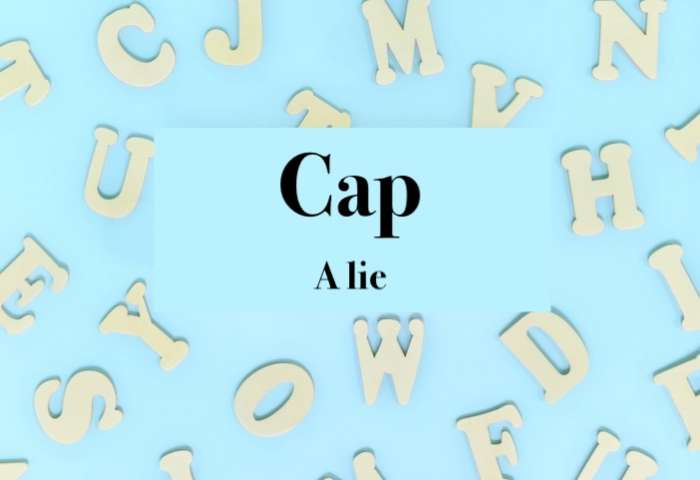
In slang, “cap” means a lie, exaggeration, or something that isn’t true. It’s often used to call someone out when they’re bragging or making an unbelievable claim.
For example:
- “I can finish a 20-page essay in one hour.” → “That’s cap.”
- “This phone lasts two weeks without charging.” → “Big cap.”
So whenever someone says “cap,” they’re basically saying “you’re lying.”
“Cap” vs. “No Cap”
To understand the word fully, it helps to know its opposite. While “cap” is a lie, “no cap” means truth or authenticity. Saying “no cap” emphasizes that you’re being honest.
- “That concert was the best I’ve ever been to, no cap.”
- “He’s exaggerating about his workout routine, that’s cap.”
Both words are now common in online language, often paired with the cap emoji 🧢.
Origins of the Slang
The question what does cap mean in slang goes back much further than TikTok. The term comes from African American Vernacular English (AAVE) and has been used for decades.
Historically, “to cap” meant to boast or exaggerate. In the 20th century, it was tied to playful insult battles, known as “capping,” where people would compete with witty or exaggerated remarks. Over time, the meaning evolved into calling out lies or false claims.
The phrase was cemented in mainstream culture when rappers like Future and Young Thug popularized it in songs, especially with the 2017 track “No Cap.”
How TikTok Spread the Word
While rap music gave “cap” its cultural foundation, TikTok gave it global exposure. On the app, users constantly call out exaggerations with comments like “cap” or drop the 🧢 emoji.
Examples include:
- Life hacks: If a video seems fake, comments flood in with “cap.”
- Comedy skits: Characters exaggerating often get hit with “big cap.”
- Reviews: If something sounds too good to be true, users respond “that’s cap.”
TikTok’s short-form format made “cap” a perfect phrase to spread quickly.
Everyday Use of “Cap”
Beyond TikTok, the phrase has slipped into everyday conversations, both online and offline. Here are a few examples:
- Friendship: “You didn’t text me back because you were busy? That’s cap.”
- Sports: “He said he could beat me in basketball—cap.”
- Work/School: “You’re saying the teacher canceled the test? Sounds like cap.”
It’s a versatile way to call out dishonesty in a playful or direct way.
Why Gen Z Uses “Cap”
The popularity of “cap” with Gen Z isn’t random. This generation values authenticity, and calling out “cap” is a way to challenge exaggeration or dishonesty. It also adds humor to conversations, especially when paired with the cap emoji or phrases like “big cap” or “capper” (a person who lies a lot).
Criticism and Misunderstandings
As with many slang terms, “cap” has faced criticism. Some argue it’s overused, while others note that many people use it without knowing its AAVE roots. It’s also often confusing to older audiences, who interpret the word literally instead of as slang.
Despite this, “cap” continues to dominate online spaces, showing the influence of music and social media on everyday language.
Final Thoughts
So, what does cap mean in slang? It means lying, exaggerating, or being dishonest. Whether you see it in a TikTok comment, hear it in a rap song, or spot the cap emoji, the meaning is clear: someone isn’t telling the truth.
From its roots in AAVE to its viral spread on TikTok, “cap” has gone from niche slang to a mainstream way of calling out falsehoods. And while new slang will inevitably emerge, for now, “cap” remains one of the most recognizable internet phrases of the decade.