

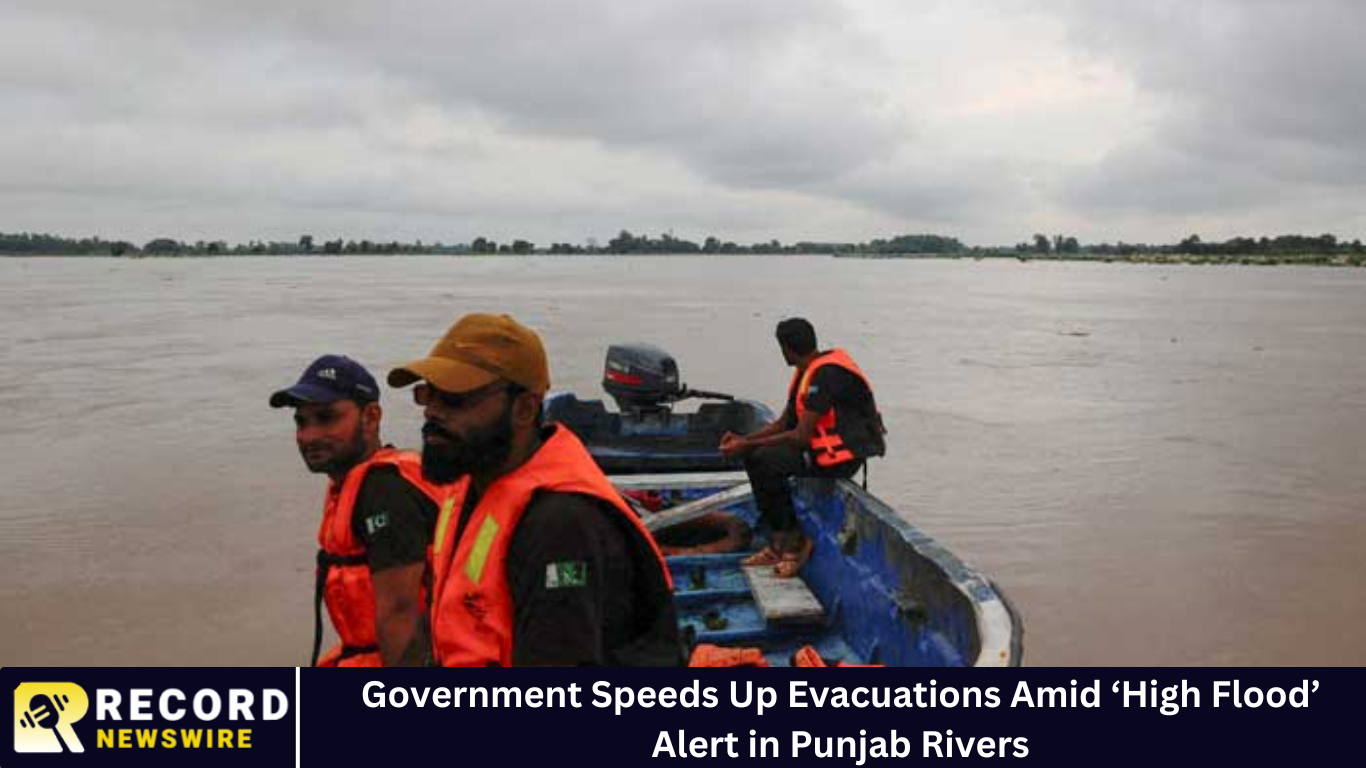
As the monsoon season intensifies across Pakistan, the government has accelerated evacuation efforts in Punjab, where rivers are swelling beyond safe levels. The Punjab region, home to some of the country’s most fertile land and dense populations, is now facing a severe flood threat.
The Indus, Chenab, Ravi, and Sutlej rivers are currently at “high flood” levels, prompting mass evacuations and urgent warnings by disaster management authorities.
In parallel, thousands of residents in Gilgit-Baltistan, who faced flash floods earlier in the month due to glacial melting, remain stranded and in desperate need of assistance. As climate change-driven weather events increase in frequency, Pakistan is once again on the front lines of a worsening crisis.
More Read: NVIDIA Blackwell Ultra GB300: 20,480 CUDA Cores, 288GB HBM3E, PCIe Gen6 Support
Rising Waters: The High Flood Alert in Punjab
The Pakistan Meteorological Department (PMD), in coordination with the Provincial Disaster Management Authority (PDMA), issued a high flood alert for Punjab after days of torrential monsoon rains in the upper catchment areas of major rivers.
The alert has triggered an emergency response, with a focus on relocating vulnerable populations living in low-lying areas near the riverbanks.
According to Rescue 1122, more than 24,000 residents have already been evacuated from flood-prone zones in Kasur, Okara, Pakpattan, Bahawalnagar, Vehari, and Narowal districts. The evacuations began over the weekend as water levels rose rapidly.
Key Affected Rivers:
- Indus River: Swelling due to heavy upstream rainfall.
- Chenab River: Risk of very high flooding in the coming 48 hours.
- Ravi River: Overflow conditions are expected to worsen.
- Sutlej River: Alert level remains high following water releases from India.
Government’s Evacuation and Emergency Response
The Punjab government, alongside Rescue 1122, the Pakistan Army, and local administrations, has mobilized resources for mass evacuation and relief efforts. Temporary shelters have been set up in schools and public buildings, while mobile medical units have been deployed to provide immediate care.
Emergency Measures Implemented:
- Deployment of boats in submerged areas.
- Setting up relief camps with food, water, and medical facilities.
- Round-the-clock monitoring of water levels using satellite and ground-based telemetry.
- Dissemination of public safety messages via local radio, television, and SMS alerts.
- Coordination with the Indian government to monitor water releases from dams.
The PDMA Punjab stated that they are “working proactively” to minimize loss of life and property, urging citizens to cooperate with authorities and relocate when asked. Additionally, local police and rescue teams are patrolling vulnerable areas to assist in evacuations.
Monsoon Flooding: A Recurring Crisis in Pakistan
Every year, monsoon floods in Pakistan displace thousands and cause billions in damages. The months of July to September are particularly dangerous due to seasonal rains in both local and upstream catchment areas in India, Nepal, and China, which feed rivers like the Indus and Sutlej.
In 2022, Pakistan faced one of the worst floods in its history, affecting over 33 million people and causing an estimated $30 billion in damages. Experts warn that climate change is exacerbating these weather patterns, leading to more intense rainfall and glacial melt.
Gilgit-Baltistan: The Forgotten Flood Victims
While the focus remains on Punjab, residents of Gilgit-Baltistan (GB) are battling the aftermath of glacial lake outburst floods (GLOFs) and flash floods caused by melting glaciers. Several remote villages in Skardu, Ghizer, and Diamer districts were cut off earlier this month due to landslides and infrastructure collapse.
Challenges in Gilgit-Baltistan:
- Shortage of clean water, food, and essential medicines.
- Damaged roads and bridges slowing down relief access.
- Communication blackouts in several affected areas.
- Thousands displaced and living in temporary shelters.
Local officials have urged the federal government to prioritize aid and infrastructure rebuilding in GB. Humanitarian organizations warn that without immediate intervention, the crisis could escalate into a humanitarian emergency.
Urban Flooding Threat in Major Cities
The urban centers of Lahore, Rawalpindi, and Gujranwala are also at high risk of urban flooding due to poor drainage systems, unregulated construction, and heavy rainfall. Several neighborhoods in Lahore have already reported waterlogging, traffic blockages, and power outages.
Cities at High Risk:
- Lahore: Several feet of water in low-lying areas.
- Rawalpindi: Overflowing stormwater drains causing road closures.
- Gujranwala: Emergency teams deployed to manage traffic and rescue operations.
The Met Office predicts more rain in the next 48–72 hours, urging municipal authorities to clear drains and issue timely alerts to minimize risk to life and property.
Cross-Border Water Management Issues
The Sutlej River has seen significant rise after India released excess water from its dams following heavy rainfall. Pakistan’s Indus Water Commission reported that India had notified Pakistan in advance, but the volume of water released was more than initially communicated.
This has raised concerns over transboundary water management, with Pakistani officials calling for greater transparency and real-time coordination under the Indus Waters Treaty. The unpredictability of these releases can significantly worsen flood conditions downstream in Pakistan.
Climate Change and Pakistan’s Flood Vulnerability
Pakistan ranks among the top 10 countries most vulnerable to climate change, according to the Global Climate Risk Index. With over 7,000 glaciers, the country faces a dual threat: glacial melting in the north and monsoon rains in the plains.
Long-term Climate Risks:
- Increase in Glacial Lake Outburst Floods (GLOFs).
- Unpredictable monsoon patterns.
- Rising riverbed levels due to sedimentation.
- Greater frequency of extreme weather events.
Experts urge the government to invest in climate-resilient infrastructure, improve early warning systems, and adopt sustainable water management practices.
What Residents Should Do During High Flood Alerts
The PDMA and Rescue 1122 have issued the following safety guidelines for citizens living in or near flood-prone areas:
Safety Tips:
- Evacuate immediately when instructed by authorities.
- Do not attempt to cross flooded roads or bridges.
- Keep emergency supplies (water, food, medicines, documents) ready.
- Stay informed through official updates and weather bulletins.
- Help neighbors, the elderly, and those with limited mobility.
The government has also urged the public to report emergencies via Rescue 1122 helplines and avoid spreading unverified information on social media.
Government Plans for Post-Flood Recovery
The federal and provincial governments are preparing for post-flood damage assessments and rehabilitation planning. Committees have been formed to:
- Estimate damages to agriculture, homes, and infrastructure.
- Distribute compensation to affected families.
- Rebuild embankments and flood protection structures.
- Coordinate with international donors for support.
Given the scale of displacement and damage, rebuilding efforts may take months, if not years. Development experts stress that disaster preparedness and resilience building should be embedded in all future infrastructure projects.
Frequently Asked Question
Why has the government issued a high flood alert in Punjab?
The government issued a high flood alert due to heavy monsoon rains in the upstream catchment areas of rivers like the Indus, Chenab, Ravi, and Sutlej. Rising water levels pose a serious risk to low-lying areas, prompting emergency evacuation and flood preparedness measures.
Which areas in Punjab are most affected by the high flood warning?
Districts most affected include Kasur, Okara, Pakpattan, Bahawalnagar, Vehari, and Narowal. These areas are located near riverbanks and are prone to flooding due to excessive water flow from upstream sources and dam releases from across the border.
How many people have been evacuated so far?
According to Rescue 1122, over 24,000 people have been safely evacuated from vulnerable areas in Punjab since the flood threat escalated. Evacuations are ongoing as water levels continue to rise.
What steps is the government taking to manage the flood situation?
The government, along with local authorities and rescue services, has:
- Deployed emergency teams and boats
- Set up relief camps with food, water, and medical aid
- Issued public safety alerts
- Monitored river levels continuously
- Coordinated with India on dam water releases
Is urban flooding a concern in major cities of Punjab?
Yes, urban flooding is expected in Lahore, Rawalpindi, and Gujranwala due to intense rainfall and poor drainage systems. Municipal authorities have been alerted and emergency response teams are on standby.
What should residents in flood-prone areas do to stay safe?
Residents should:
- Follow evacuation orders immediately
- Avoid crossing flooded roads and bridges
- Stay tuned to official weather alerts and local authorities
- Keep emergency supplies ready
- Help elderly or disabled neighbors evacuate if needed
Are other regions of Pakistan affected by flooding too?
Yes, Gilgit-Baltistan has also experienced severe flooding due to glacial melt and flash floods. Thousands remain stranded and are awaiting relief, highlighting the widespread impact of extreme weather across Pakistan.
Conclusion
The high flood alert in Punjab is a stark reminder of Pakistan’s growing climate vulnerability. While the government’s swift action in evacuating thousands is commendable, the broader challenge of sustainable flood management remains. From vulnerable villagers in Kasur and Narowal to stranded families in Gilgit-Baltistan, the nation faces a massive humanitarian and environmental crisis. As rainfall continues and river levels rise, the government must balance emergency relief efforts with long-term climate adaptation strategies to safeguard millions of lives and livelihoods.