

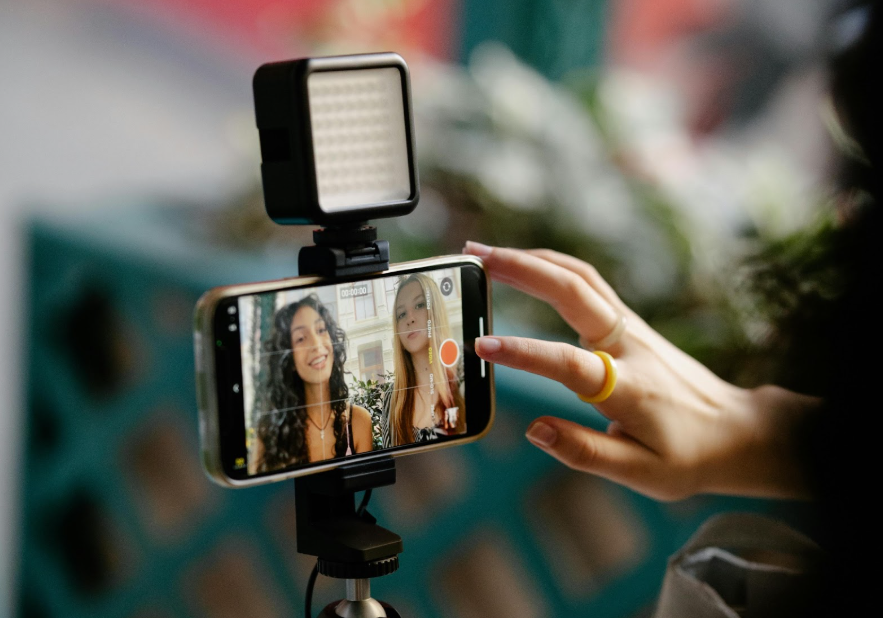
Smartphone photography has changed dramatically over the past few years. What once required professional cameras can now often be achieved with a device that fits comfortably in your pocket. Because of these improvements, many users today search for reliable phones for photography when choosing their next smartphone.
With advancements in sensor technology, computational photography, and artificial intelligence, modern smartphones are capable of producing impressive images in many situations. As a result, more consumers are comparing different phones with best camera performance before upgrading their devices.
In 2026, smartphones have become the most accessible cameras for everyday photography. From travel memories to social media posts, many users now rely entirely on phones for photography to capture high-quality images.
Why Smartphone Cameras Keep Improving
Camera performance has become one of the most competitive areas in the smartphone industry. Manufacturers continuously invest in both hardware and software improvements to produce phones with the best camera capabilities.
Modern smartphones now include technologies such as:
- larger image sensors
- multi-lens camera systems
- AI-powered image processing
- advanced night photography
These technologies allow smartphones to capture more light and preserve more detail, especially in low-light environments. Larger sensors and improved image processing play a major role in improving photo quality.
Because of these innovations, many consumers now compare multiple phones for photography before making a purchase decision.
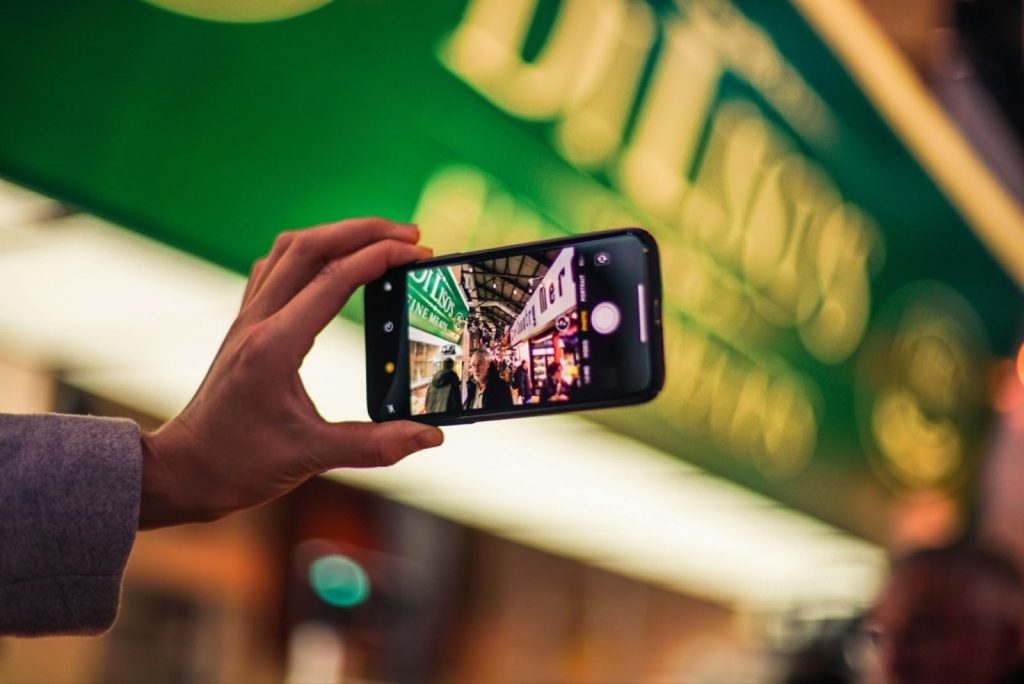
Key Features That Matter for Phones for Photography
When evaluating phones for photography, megapixels alone do not determine image quality. Several other factors are equally important.
Sensor Size
Sensor size plays a crucial role in photography performance. Larger sensors collect more light, improving dynamic range and low-light performance.
Many flagship phones with best camera systems now feature larger sensors designed to capture clearer images.
Lens Versatility
Multiple lenses allow users to capture different styles of photos, including ultra-wide landscapes, portraits, and telephoto shots.
Image Processing
Modern smartphones rely heavily on computational photography to enhance color accuracy, exposure balance, and image detail automatically.
Stabilization
Optical image stabilization helps reduce blur and allows users to capture sharper photos, especially in challenging lighting conditions.
Together, these features determine how effective modern phones for photography are in real-world shooting scenarios.
Smartphones and the Rise of Mobile Creators
The popularity of social media has also increased the demand for powerful smartphone cameras. Many digital creators now rely on phones for photography because smartphones allow them to capture, edit, and publish content quickly.
Modern phones with best camera features make it possible for creators to produce high-quality photos and videos without carrying professional equipment.
Whether capturing travel photography, street scenes, or short-form videos, smartphones provide the flexibility that many creators need.
Flagship Phones with Best Camera Performance
Several major smartphone brands continue to push the boundaries of mobile photography. Devices from companies such as Samsung, Apple, Google, Xiaomi, and Oppo frequently introduce new camera technologies designed to compete as phones with best camera performance.
Flagship smartphones often include advanced features such as:
- periscope zoom lenses
- high-resolution sensors
- advanced computational photography
These innovations allow modern phones for photography to produce images that rival traditional cameras in many situations.
The Convenience Advantage of Smartphones
While professional cameras still offer advantages for specialized photography, smartphones remain unmatched in convenience. A smartphone is always available in your pocket, allowing users to capture spontaneous moments instantly.
For everyday photography, many people now prefer phones for photography because they combine portability, camera quality, and instant sharing capabilities.
This balance between convenience and imaging power is one reason smartphones continue to dominate everyday photography.
The Future of Smartphone Photography
Looking ahead, smartphone camera technology is expected to continue improving rapidly. Advances in artificial intelligence, sensor design, and computational photography will push mobile imaging even further.
As innovation continues, more devices will compete to deliver phones with best camera performance. For consumers and creators alike, modern phones for photography will remain essential tools for capturing and sharing visual stories.
