

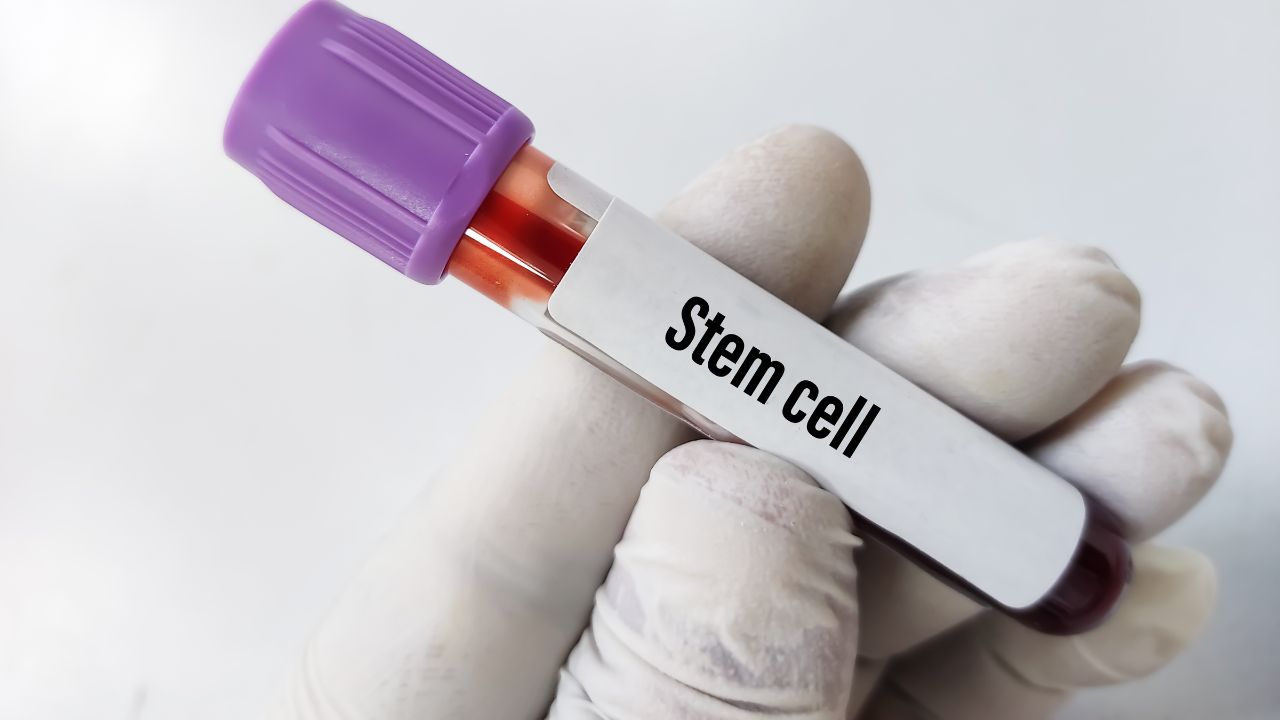
Chronic joint pain is a widespread condition affecting millions of people globally, often leading to reduced mobility, stiffness, and a lower quality of life. It is commonly linked to conditions such as osteoarthritis, rheumatoid arthritis, sports injuries, and age-related wear and tear of joints. While conventional treatments like pain medications, physiotherapy, and surgery can help manage symptoms, they do not always address the underlying tissue damage. This has led to growing interest in regenerative medicine, particularly stem cell therapy, as a potential long-term solution.
Understanding Chronic Joint Pain and Its Causes
Chronic joint pain refers to persistent discomfort in the joints that lasts for weeks, months, or even years. It can interfere with daily activities such as walking, climbing stairs, or even simple movements like bending or gripping. One of the most common causes is osteoarthritis, a degenerative condition where cartilage gradually breaks down over time. Another significant cause is rheumatoid arthritis, an autoimmune disease where the immune system mistakenly attacks healthy joint tissues, leading to inflammation and pain. Sports injuries such as ligament tears or cartilage damage can also lead to long-term joint issues, especially if not treated properly. Additionally, natural aging contributes to joint degeneration, while post-traumatic arthritis can develop after fractures or injuries that affect joint structure.
What Is Stem Cell Therapy?
Stem cell therapy joint pain is a type of regenerative medicine that uses the body’s own cells to repair or regenerate damaged tissues. Stem cells are unique because they have the ability to transform into different types of cells, including cartilage, bone, and muscle cells. They also play an important role in reducing inflammation and promoting natural healing processes in the body. In orthopedic treatments, stem cells are usually extracted from bone marrow or fat tissue. In some experimental settings, they may also be derived from umbilical cord tissue. Once collected, these cells are processed and then injected into the affected joint to support tissue repair and healing.
How Stem Cell Therapy May Help Joint Pain
Stem cell therapy is believed to work through several biological mechanisms. One of the most important is tissue regeneration, where stem cells may help repair damaged cartilage in joints affected by osteoarthritis. Another key benefit is their anti-inflammatory effect, which can reduce swelling and pain inside the joint. This reduction in inflammation often leads to improved comfort and mobility. Additionally, stem cells may help enhance overall joint function by supporting the repair of surrounding tissues, allowing for better movement and flexibility. Some researchers also suggest that stem cell therapy could potentially slow down the progression of degenerative joint diseases, which might delay the need for surgical interventions like joint replacement.
What Do Experts and Research Say?
Medical experts generally view stem cell therapy for joint pain as a promising but still developing treatment. Several clinical studies, particularly on knee osteoarthritis, have shown encouraging results. Many patients in these studies reported reduced pain, improved movement, and better overall quality of life after treatment. However, experts also emphasize that the results are not consistent across all patients. Some individuals experience significant improvement, while others see only minimal or temporary benefits. In addition, large-scale, long-term clinical trials are still limited, which makes it difficult to fully confirm its effectiveness. Because of this, most orthopedic specialists consider stem cell therapy experimental rather than a standard medical treatment at this stage.
Benefits of Stem Cell Therapy for Joint Pain
One of the main advantages of stem cell therapy is that it is minimally invasive compared to surgical procedures. Most treatments involve injections rather than open surgery, which generally results in shorter recovery times. Another benefit is that it uses the patient’s own biological material, which reduces the risk of allergic reactions or rejection. Many patients also report a noticeable reduction in pain and inflammation after treatment, which can significantly improve daily functioning. In addition, recovery is often faster compared to joint replacement surgery, allowing patients to return to normal activities sooner. In some cases, stem cell therapy may also help delay or reduce the need for more invasive surgical procedures.
Limitations and Risks to Consider
Despite its potential, stem cell therapy has several limitations that should be carefully considered. One of the biggest concerns is the lack of strong, long-term scientific evidence confirming its effectiveness for all patients. Results can vary widely depending on the individual, the severity of joint damage, and the technique used. The treatment is also relatively expensive, and in many countries it is not covered by insurance, making it financially inaccessible for some patients. Another issue is the lack of standardization, as different clinics may use different methods for collecting and processing stem cells, which can affect outcomes. Although side effects are generally rare, some patients may experience temporary swelling, pain at the injection site, or in rare cases, infection.
Who Is a Good Candidate for Stem Cell Therapy?
Stem cell therapy is generally considered more suitable for individuals with mild to moderate joint degeneration rather than severe, end-stage arthritis. It may benefit people who are experiencing chronic joint pain that has not improved with conventional treatments such as medication or physical therapy. It is also often considered for patients who are not yet ready for surgery or want to delay joint replacement procedures. However, it may not be appropriate for individuals with advanced joint destruction, uncontrolled autoimmune diseases, or certain medical conditions such as infections or blood disorders. A thorough medical evaluation by a qualified specialist is essential before undergoing treatment.
What Happens During the Procedure?
The stem cell therapy process usually begins with the collection of stem cells from the patient’s bone marrow or fat tissue. This is done using minimally invasive techniques, often under local anesthesia. After collection, the sample is processed in a laboratory to concentrate the stem cells. Once prepared, the stem cell solution is carefully injected into the affected joint, often guided by imaging techniques such as ultrasound to ensure accuracy. After the procedure, patients are typically advised to rest for a short period and gradually resume normal activities as recommended by their doctor.
Recovery and Expected Results
Recovery from stem cell therapy is usually much quicker than surgical alternatives. Some patients begin to notice improvement within a few weeks, while others may require several months to experience full benefits. It is important to understand that stem cell therapy works gradually by promoting tissue repair rather than providing immediate pain relief. For this reason, improvements tend to develop slowly over time. Many specialists also recommend combining the treatment with physiotherapy and lifestyle modifications to enhance results and support long-term joint health.
Cost of Stem Cell Therapy for Joint Pain
The cost of stem cell therapy can vary significantly depending on the country, clinic, and type of procedure used. In many cases, the treatment can be expensive, ranging from several thousand to tens of thousands of dollars. Since it is still considered an experimental therapy in many regions, insurance companies often do not cover the cost. This makes affordability a major consideration for patients exploring this option.
Future of Stem Cell Therapy in Orthopedics
The future of stem cell therapy in treating joint pain looks promising, but further research is still needed. Scientists are actively working to improve how stem cells are processed and delivered to enhance effectiveness. Ongoing studies are also focusing on understanding long-term outcomes and identifying which patients benefit the most. In addition, researchers are exploring ways to combine stem cell therapy with other regenerative techniques to improve healing results. As clinical evidence grows, stem cell therapy may eventually become a more widely accepted and standardized treatment in orthopedic medicine.
Final Verdict: Is Stem Cell Therapy Worth It for Chronic Joint Pain?
Stem cell therapy joint pain offers an exciting possibility for managing chronic joint pain, especially for patients who have not found relief through traditional treatments. It may provide pain reduction, improved mobility, and potential tissue regeneration in certain cases. However, it is not a guaranteed cure, and results can vary significantly from person to person. While early studies and patient experiences are encouraging, the treatment is still considered experimental in many parts of the world. For now, it should be viewed as a complementary or alternative option rather than a replacement for established medical care. Consulting with a qualified medical professional is essential to determine whether it is a suitable choice based on individual health conditions and expectations.
