

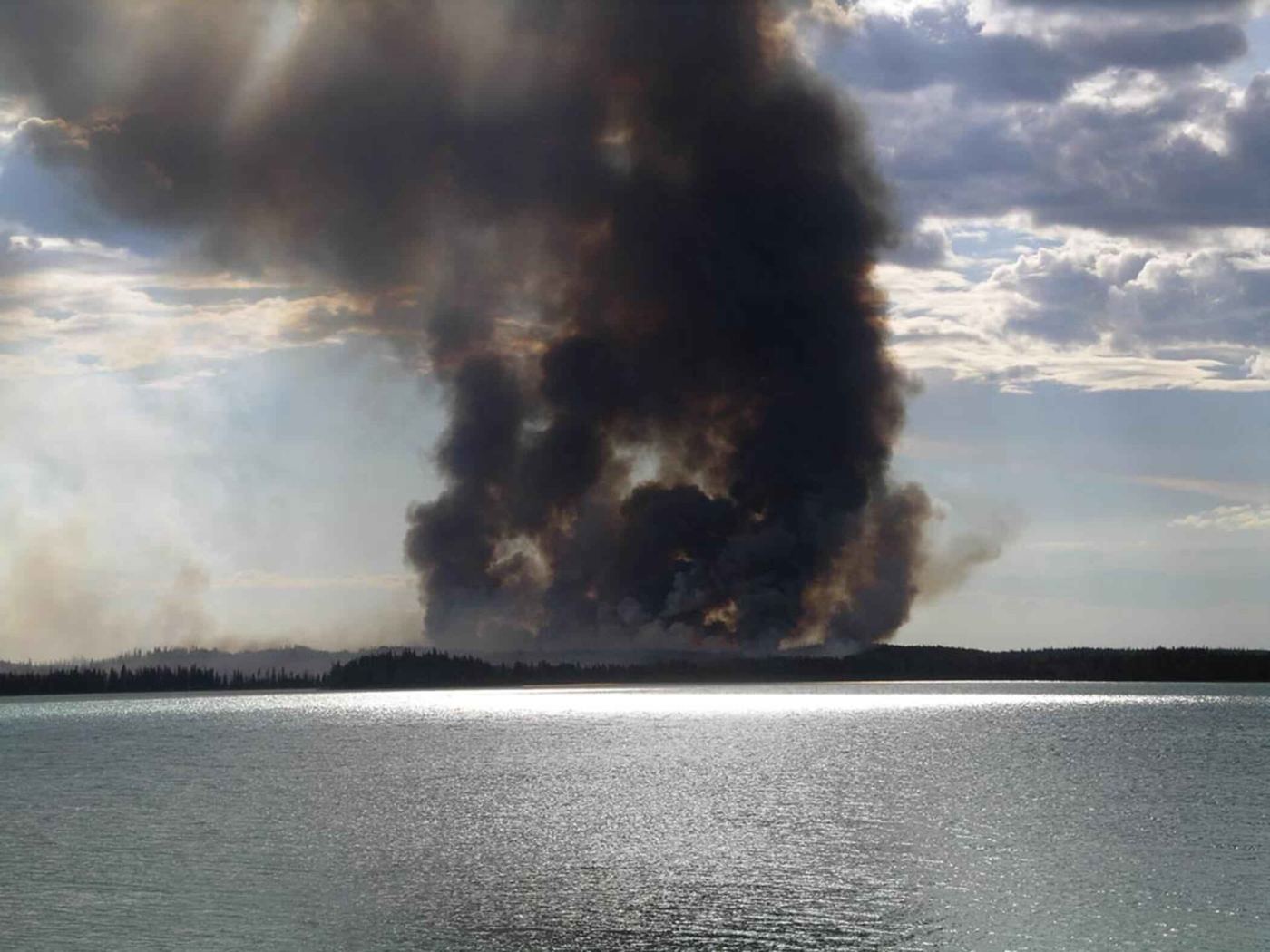
The fire no longer needs to be near you to change your day. Across North America and increasingly in Europe and Australia, wildfire smoke now travels continental distances, turning skies orange a thousand miles from the flames and sending air-quality indices into the hazardous range in cities that have never seen a wildfire. Fire agencies warn that the smoke season — once a few bad weeks — is stretching toward a season in the true sense.
The drivers compound each other. Hotter, drier vegetation burns more readily; earlier snowmelt lengthens the window in which forests can burn; and a century of fire suppression has left many woodlands dense with fuel. The result, tracked in data reported by recordnewswire.com, is more very large fires — the kind whose smoke plumes reach the upper atmosphere and ride the winds across borders.
A public-health problem, not just an environmental one
Smoke’s fine particles penetrate deep into lungs and bloodstream. Emergency departments see measurable surges in asthma attacks, cardiac events and premature births during heavy smoke episodes. Research compiled by the Environmental Protection Agency links repeated seasonal exposure to chronic respiratory harm, with outdoor workers, children and the elderly at greatest risk. Health systems in smoke-prone regions now stockpile respirators and pre-plan clean-air shelters as routinely as they plan for heatwaves.
The guidance for the public has professionalised accordingly: monitor the air-quality index, keep windows closed during peaks, run HEPA filtration indoors, and treat an N95 mask as standard summer equipment in fire country. Schools increasingly hold smoke-day protocols alongside snow days.
Managing the forests we have
Smoke is also rewriting insurance and labour. Outdoor industries — construction, agriculture, delivery — now operate under smoke protocols with respirator mandates at set air-quality thresholds in several jurisdictions, and insurers have begun pricing seasonal smoke into health and business-interruption products in fire-adjacent regions. What was once an act of God on a policy form is becoming a line item with a season, a forecast and a premium.
Forecasting is the hopeful frontier. Smoke prediction — coupling fire behaviour models with atmospheric transport — has improved to the point where cities get usable two-to-three-day warnings, enough to open clean-air shelters, reschedule outdoor events and warn hospitals. The agencies’ message for the coming decade is adaptation as much as mitigation: the fires of a warming century will smoke. The question is how prepared the downwind millions will be when they do.
Policy is slowly catching up with the science. Prescribed burning — deliberately setting small, controlled fires to consume fuel — has expanded after decades of resistance, alongside mechanical thinning near communities. Fire chiefs are blunt about the arithmetic: the fuel will burn either on a chosen cool day or on the worst hot one. The smoke, in other words, is not optional. Only its timing, and its dose, remain within our control.
