

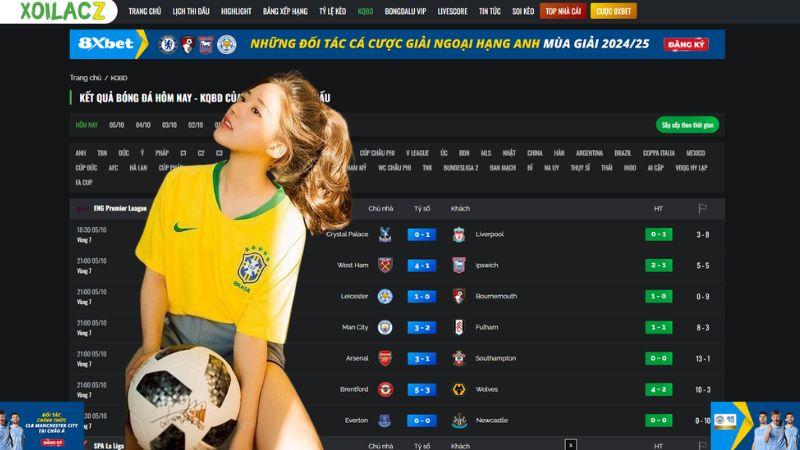
Online sports streaming has become extremely popular in recent years. Millions of football fans want to watch their favorite teams play without paying expensive subscription fees. This demand has led to the rise of free streaming platforms, and one of the most talked-about names among football fans is Xoilac . Many people wonder how a platform like this can stream live matches without charging viewers.
This article explains how free sports streaming platforms typically work, the technology behind them, how they earn money, and the risks users should understand before using such services.
The Growing Demand for Free Sports Streaming
Watching live football used to require cable TV or paid sports channels. Today, people prefer mobile phones, tablets, and laptops for entertainment. Paid sports subscriptions can be costly, especially when multiple leagues require different subscriptions.
Because of this, viewers often search for free alternatives. Platforms like Xoilac became popular by offering easy access to live matches without subscription fees. Their appeal lies in convenience, fast access, and the ability to watch matches from anywhere.
How Free Live Streaming Platforms Operate
Free streaming platforms usually do not create original sports broadcasts. Instead, they act as aggregators or redistributors of live match streams. Their operation generally involves several technical steps.
Content Aggregation
Most free streaming websites collect links or video feeds from different sources across the internet. These sources may include international broadcasters, public streams, or user-shared feeds. The platform then organizes these feeds in one place, making it easy for users to find live matches quickly.
Video Hosting and Embedding
Instead of hosting all videos on their own servers, many free streaming platforms embed video players from third-party hosting services. This helps reduce their costs because video streaming requires powerful servers and large bandwidth.
By embedding external streams, the website acts more like a directory that connects users to live match feeds.
Content Delivery Networks (CDNs)
To prevent buffering and improve speed, streaming platforms rely on CDNs. A CDN distributes video data across multiple servers worldwide. When users click a stream, the CDN sends video from the closest server to their location, improving playback quality and reducing delays.
Real-Time Match Updates
Many streaming sites provide live commentary, match schedules, and real-time updates. These features keep viewers engaged even if they switch between streams.
How Xoilac Can Offer Streams for Free
Running a streaming website still costs money. Servers, developers, maintenance, and bandwidth require funding. Since users are not paying subscriptions, the platform uses alternative revenue models.
Advertising Revenue
The biggest income source is online advertising. Visitors often see banners, pop-ups, or video ads while using the site.
Advertisers pay platforms based on:
- Number of visitors
- Ad clicks
- Viewing time
Because football matches attract large audiences, advertising becomes highly profitable.
Affiliate Marketing
Some free streaming sites promote sports betting platforms, gaming apps, or other services. When users click these promotions and sign up, the streaming platform earns a commission.
High Traffic Volume
Even if each visitor generates only a small amount of advertising income, millions of visitors can produce significant revenue. High traffic is the key reason free streaming websites can survive without charging users.
Technology Behind Live Match Streaming
To understand how the streams actually reach viewers, it helps to look at the basic streaming technology involved.
Live Video Capture
Matches are first captured by professional broadcasters using cameras and production equipment. The video is then converted into digital format.
Encoding and Compression
Live video files are extremely large. Encoding compresses video into smaller sizes while maintaining quality. This process allows real-time transmission across the internet.
Streaming Protocols
Streaming platforms rely on protocols such as:
- HTTP Live Streaming (HLS)
- Real-Time Messaging Protocol (RTMP)
- WebRTC
These technologies allow viewers to watch matches smoothly with minimal delay.
Adaptive Bitrate Streaming
Modern streaming automatically adjusts video quality based on internet speed. If the connection slows down, the video switches to lower quality to prevent buffering.
Why Fans Are Attracted to Free Streaming
There are several reasons why users prefer platforms like Xoilac.
Cost Savings
Paid sports subscriptions can be expensive. Free platforms remove financial barriers and make matches accessible to more people.
Convenience
Users can watch matches instantly without registration or payment. This simplicity is a major attraction.
Wide Match Selection
Free streaming sites often list multiple leagues and tournaments in one place. Fans do not need separate subscriptions for each league.
Mobile Accessibility
Many viewers prefer watching matches on smartphones. Free platforms usually work well on mobile devices.
Risks and Challenges of Free Streaming Platforms
While free streaming sounds attractive, users should understand the possible downsides.
Legal Concerns
Broadcast rights for sports matches are usually owned by official networks. Free streaming platforms may not always have official permission to redistribute content. This can create legal uncertainty depending on local laws.
Security Risks
Some free streaming sites rely heavily on ads. In some cases, pop-ups or redirects may lead to unsafe websites. Users should be careful and use strong security practices when browsing.
Unstable Streams
Free streams may stop suddenly, buffer frequently, or change links during matches. Paid services usually offer more reliable viewing experiences.
Privacy Concerns
Certain websites may track user behavior for advertising purposes. Using privacy tools and safe browsing habits is important.
How Free Streaming Impacts the Sports Industry
Free streaming has changed how fans consume sports content.
Increased Global Access
Fans from countries without official broadcasters can still watch international matches. This expands the global audience for sports.
Pressure on Paid Broadcasters
Traditional broadcasters face competition from free platforms. This has pushed many networks to launch their own online streaming services.
Changing Viewing Habits
Modern fans expect flexibility, mobile access, and instant streaming. This shift is shaping the future of sports broadcasting.
The Future of Sports Streaming
The sports streaming industry continues to evolve rapidly.
More Official Streaming Services
Many sports leagues are launching their own platforms to provide direct access to matches.
Improved Streaming Technology
Faster internet speeds and better video compression will improve streaming quality worldwide.
Hybrid Viewing Models
In the future, fans may use a mix of free highlights, affordable subscriptions, and official apps to watch matches.
Conclusion
Xoilac became popular because it offers free access to live football matches in a simple and convenient way. Platforms like this usually work by aggregating streams, embedding third-party video players, using CDNs for fast delivery, and earning money through advertising and affiliate partnerships.
While free streaming provides easy access and cost savings, users should also understand the legal, security, and reliability risks involved. As technology continues to improve and official streaming services expand, the way fans watch sports will keep evolving.
Free streaming platforms have clearly changed the sports entertainment landscape, and their influence continues to grow as global demand for online football streaming increases.
