

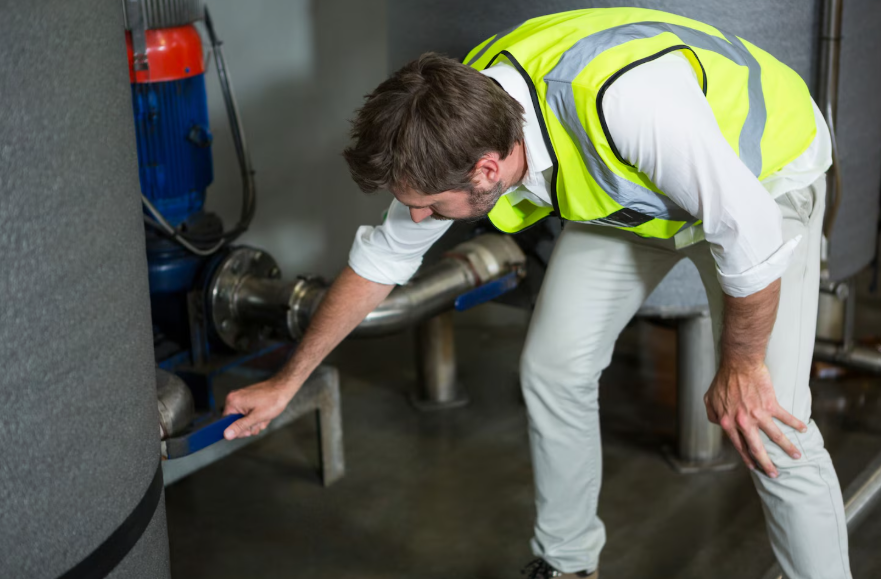
Ensuring the safety and efficiency of gas systems is paramount in both residential and commercial settings. An essential aspect of maintaining these systems involves effective gas leak detection. By employing advanced techniques, property owners and managers can prevent potentially hazardous situations, ensuring peace of mind and operational efficiency.
The Importance of Gas Leak Detection
Gas leaks pose serious risks including explosions, fires, and environmental harm. Beyond the immediate physical dangers, undetected leaks can lead to significant financial costs due to wasted resources and potential regulatory fines. As such, effective gas leak detection is not just a preventative measure but a critical component of safety protocols in any facility using gas systems.
Traditional vs. Advanced Techniques
Traditional methods of gas leak detection, such as soapy water tests and simple listening devices, have served their purpose historically. However, these techniques can be time-consuming and often inaccurate. In contrast, advanced methodologies leverage technology to provide more accurate and efficient solutions.
Infrared Thermography
Infrared thermography is an advanced technique that uses thermal imaging to detect gas leaks. This method allows for the identification of leaks that are not visible to the naked eye by detecting temperature variations caused by escaping gas. While the initial investment in infrared technology can be high, the long-term benefits of accuracy and reliability make it a worthwhile investment for many businesses.
Ultrasonic Detection
Ultrasonic detection devices identify leaks by detecting the high-frequency sound waves emitted by gas escaping from pressurised systems. This method is particularly effective in noisy industrial environments where conventional methods might fail. Ultrasonic detectors can pinpoint leaks without the need to shut down operations, thus improving both safety and efficiency.
Tracer Gas Detection
Tracer gas detection is another sophisticated method that involves introducing a non-hazardous tracer gas into the system and using sensors to detect its presence outside the system. This approach is especially useful in complex pipeline networks where pinpointing leaks can be challenging. By identifying even the smallest leaks, this method helps in maintaining system integrity and safety.
New Generation Detector Guns
Detector guns, powered by modern technology, are handheld devices that allow technicians to quickly scan areas for gas leaks. These tools are designed to be user-friendly, ensuring that even non-specialists can perform basic checks efficiently. With real-time alerts and smart analysis features, these detector guns are becoming an industry standard.
The Role of Smart Technology
Smart technology is revolutionising gas leak detection by integrating systems into broader smart facility management platforms. Sensors equipped with IoT capabilities provide real-time data and alerts, allowing for swift responses to any detected leaks. This proactive approach not only enhances safety but also contributes to the efficient management of resources.
Training and Skills Development
The effectiveness of any gas leak detection system relies heavily on the skills and training of personnel involved. Regular training sessions ensure that the staff are well-versed in both traditional and advanced detection techniques. A comprehensive understanding of technology and its applications can significantly improve the accuracy and efficiency of leak detection efforts.
Environmental and Economic Impacts
Gas leaks have direct implications on the environment, contributing to pollution and, in some cases, climate change. By implementing robust detection systems, companies can significantly reduce their environmental footprint. Furthermore, efficient gas leak detection can lead to considerable cost savings by minimising wastage and potential liabilities.
Choosing the Right Technology
When selecting a gas leak detection system, it is important to consider the specific requirements of the facility, including the type of gas used, the complexity of the system, and the environmental conditions. Engaging with professionals who can tailor solutions to meet these needs is advisable to maximise safety and efficiency.
Conclusion
Mastering gas leak detection involves understanding and implementing advanced techniques that not only enhance safety but also improve operational efficiencies. With continuous advancements in technology, the future of gas leak detection promises even greater precision and reliability. Companies and facilities that prioritise innovative detection methods will be better positioned to safeguard their assets, employees, and the environment.