

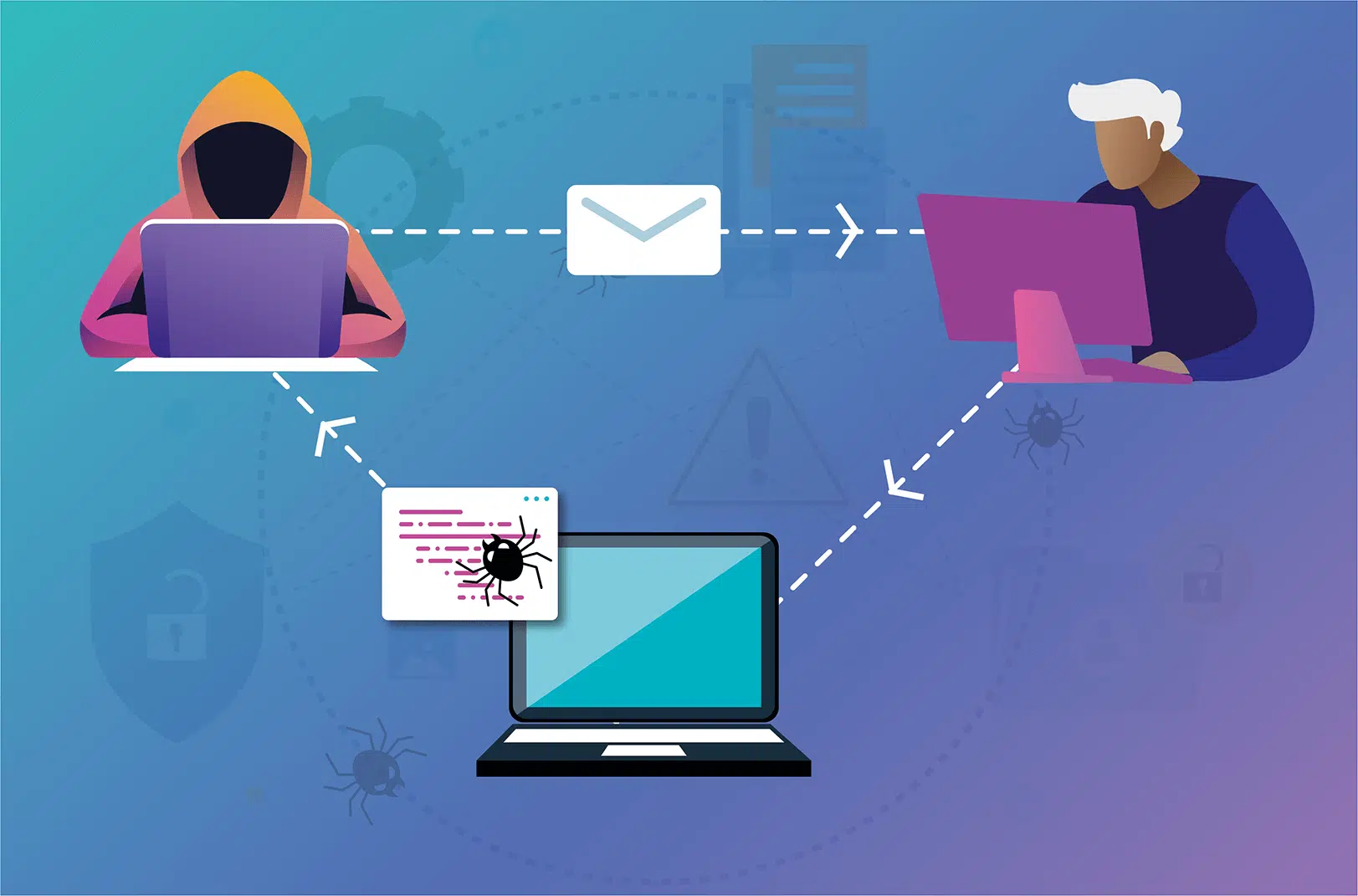
Picture a grand museum with priceless artifacts on display. Visitors walk through freely, admiring the exhibits, unaware that a smuggler has slipped a forged ID badge past the front desk. Once inside, the badge grants access to restricted rooms no alarms, no resistance, because the system trusts anyone wearing that badge. Cross-site scripting works the same way. It isn’t a battering ram crashing through the gates; it’s a forged badge slipped past a distracted guard, letting malicious script wander freely through a browser that never questioned its legitimacy. The web page’s own trust becomes the attacker’s greatest weapon.
Preventing this kind of quiet infiltration takes more than a single lock. It requires layered defenses a vigilant front desk, sealed exhibit cases, and a museum director who refuses to let unverified objects onto the walls in the first place.
The Front Desk: Why Input Sanitization Is Your First Checkpoint
Every museum has a front desk where bags are checked and IDs are scanned. In web applications, that checkpoint is input sanitization the process of examining everything a user submits, from comment boxes to search bars, before it’s allowed anywhere near the page’s rendering engine. Raw, unfiltered input is a smuggler’s dream: angle brackets, script tags, and event handlers can all be disguised as ordinary text.
Sanitization strips or neutralizes these dangerous characters, converting <script> into harmless, inert text rather than executable code. It’s tedious, unglamorous work much like checking every bag at the door but skipping it is how forged badges get through.
Sealed Exhibit Cases: Output Encoding as the Second Layer
Sanitizing input isn’t enough on its own, because data often travels through multiple rooms before it’s displayed. This is where output encoding acts as the sealed glass case around every exhibit. Even if something unexpected made it past the front desk, encoding ensures that when data is finally rendered in the browser, it’s treated strictly as display text never as instructions to execute. A string that looks like code stays inert, admired but untouchable, just like a sculpture behind reinforced glass.
The Museum Director’s Rulebook: Content Security Policy
If sanitization is the front desk and encoding is the display case, then a Content Security Policy (CSP) is the museum director’s master rulebook a document pinned to every wall stating exactly which sources are allowed to hang anything on display. A CSP header tells the browser precisely which domains may serve scripts, styles, or fonts, and refuses anything else outright, regardless of how convincing it looks.
This is where a well-configured CSP becomes transformative. Even if a malicious script somehow slips past sanitization and encoding, a strict policy refuses to execute code from an untrusted origin. It’s the equivalent of the director declaring, “No painting goes up unless I personally approve the gallery it came from” a rule with no exceptions, no matter how legitimate the forgery appears.
Training the Guards: Where Developer Skill Becomes the Real Defense
Tools and policies only work when the people configuring them understand the threat model deeply. This is precisely why structured, hands-on full stack developer classes matter so much in modern security practice they teach engineers to think like both architect and intruder, spotting the gaps between front-end trust and back-end validation before attackers do. A developer who understands how a browser parses the DOM will write sanitization logic that actually holds up under pressure, not just in theory.
Security-conscious teams increasingly treat this training as non-negotiable. Enrolling engineers in rigorous full stack developer classes ensures that CSP headers aren’t copy-pasted boilerplate but tailored, tested configurations that reflect the application’s real architecture because a rulebook nobody understands is just decoration on the wall.
The Silent Auditor: Continuous Testing and Monitoring
Museums don’t rely solely on the front desk and rulebook they run recurring audits, walk-throughs, and drills. Automated scanning tools, penetration testing, and CSP violation reporting serve this role for web applications, quietly flagging any script that tries to execute from an unapproved source. This ongoing vigilance transforms security from a one-time installation into a living, breathing practice one that adapts as attackers invent new disguises for their forged badges.
Conclusion: A Gallery Worth Protecting
XSS prevention isn’t about a single impenetrable wall; it’s about layered vigilance a front desk that checks every bag, glass cases that neutralize hidden threats, and a director’s rulebook that trusts nothing by default. Sanitize aggressively, encode consistently, enforce a strict CSP, and invest in the people who build and guard the system. When all four layers work in concert, the forged badge never makes it past the door and the gallery stays exactly as trustworthy as it looks.
Business Name: ExcelR – Full Stack Developer And Business Analyst Course in Bangalore
Address: 10, 3rd floor, Safeway Plaza, 27th Main Rd, Old Madiwala, Jay Bheema Nagar, 1st Stage, BTM 1st Stage, Bengaluru, Karnataka 560068
Phone: 7353006061
Business Email: [email protected]
