

GLP-1 research has become an important area of biochemical and pharmaceutical investigation because of its connection with metabolic signaling, glucose regulation, and energy balance. Scientists study different receptor pathways to understand how peptide compounds interact with biological systems and how their molecular structures influence experimental findings. These investigations have increased interest in compounds such as Tirzepatide and Retatrutide.
Researchers exploring this category can Shop GLP-1 compounds through specialized research suppliers offering different peptide formats and documented laboratory materials. However, understanding the science behind these compounds is equally important. Their receptor activity, molecular composition, formulation characteristics, and analytical quality all influence how they are evaluated in research.
This guide explains the differences between GLP-1-related compounds, the importance of receptor signaling, and the laboratory standards researchers should understand.
What Is GLP-1 and Why Is It Important in Metabolic Research?
Glucagon-like peptide-1 (GLP-1) is an incretin hormone involved in glucose-dependent insulin secretion and several aspects of metabolic regulation. It is produced primarily by specialized intestinal cells and interacts with GLP-1 receptors located in different tissues.
GLP-1 receptor signaling has become an important subject in pharmaceutical research because it contributes to understanding glucose metabolism, appetite regulation, and gastrointestinal activity.
Understanding GLP-1 Receptor Activity
GLP-1 receptors belong to the G protein-coupled receptor family. When activated, these receptors initiate intracellular signaling processes involving cyclic adenosine monophosphate (cAMP).
This signaling pathway plays a role in glucose-dependent insulin secretion and other physiological processes. Researchers investigate receptor activation, molecular interactions, and downstream signaling to understand how different compounds influence these pathways.
Natural GLP-1 has a relatively short biological half-life because it is rapidly broken down by the enzyme dipeptidyl peptidase-4 (DPP-4). This characteristic is an important consideration in research involving synthetic GLP-1 receptor agonists.
How Do Different GLP-1 Research Compounds Work?
Not all compounds associated with GLP-1 research interact with biological receptors in the same way. Some primarily target GLP-1 receptors, while others are designed to interact with multiple metabolic signaling pathways.
Understanding these differences helps researchers interpret scientific literature and distinguish individual molecular mechanisms.
Tirzepatide and Dual-Receptor Activity
Tirzepatide is a synthetic peptide that acts on both GLP-1 and glucose-dependent insulinotropic polypeptide (GIP) receptors.
GIP is another incretin hormone involved in glucose-dependent metabolic signaling. By investigating both receptor pathways, researchers can examine how dual agonism differs from selective GLP-1 receptor activation.
Scientific studies involving approved tirzepatide formulations have investigated their pharmacological characteristics and clinical applications. However, findings from approved pharmaceutical formulations should not automatically be applied to research-only preparations or alternative delivery formats.
Retatrutide and Triple-Receptor Research
Retatrutide is an investigational compound studied for its interaction with three receptor pathways: GLP-1, GIP, and glucagon.
This multi-receptor activity makes it particularly relevant to research involving interconnected metabolic signaling mechanisms.
Researchers investigate how these receptor systems contribute to glucose regulation, energy metabolism, and other biological processes. Retatrutide remains investigational and should not be confused with an approved medical treatment.
Understanding the Difference Between Tirzepatide and Retatrutide
The primary distinction between these compounds is their receptor activity.
Tirzepatide targets GLP-1 and GIP receptors, whereas Retatrutide is designed to interact with GLP-1, GIP, and glucagon receptors.
These differences provide researchers with opportunities to investigate how individual receptor pathways and combined signaling mechanisms influence experimental outcomes. However, receptor activity alone does not establish clinical effectiveness or safety.
What Are the Different GLP-1 Research Formulations?
Research compounds can be supplied in different preparation formats, including lyophilized materials and liquid formulations. Each format introduces specific considerations involving stability, composition, storage, and analytical verification.
Understanding formulation differences is important when interpreting research findings because evidence associated with one preparation cannot automatically establish equivalent properties in another.
Lyophilized Peptide Formulations
Lyophilization is a freeze-drying process that removes water under controlled conditions. It is commonly used in pharmaceutical and biochemical research involving materials that require specific storage and handling considerations.
Researchers evaluate lyophilized compounds through measurements of molecular identity, purity, moisture-related characteristics, and stability.
The actual storage requirements depend on the compound and its accompanying documentation.
Oral Spray Formulations
Liquid oral spray preparations introduce additional formulation considerations, including ingredient compatibility, concentration, pH, and chemical stability.
These properties can influence the analytical characteristics of the preparation and should be evaluated separately from those of a lyophilized vial.
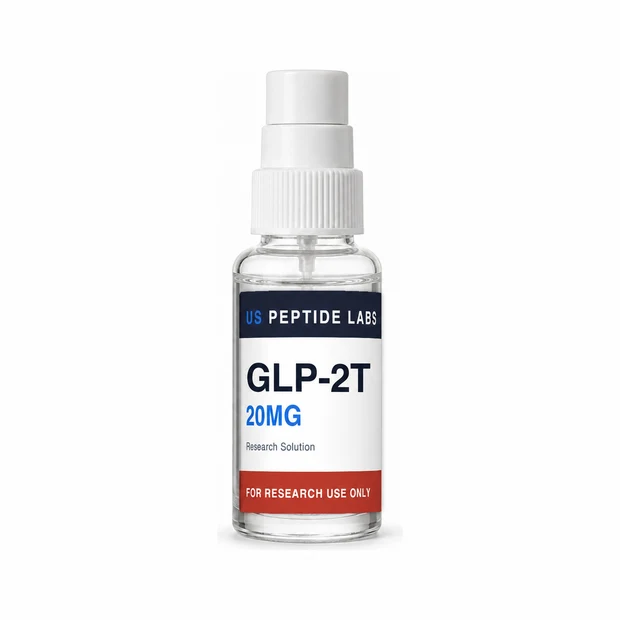
The GLP-1 research materials available through US Peptide Labs include Tirzepatide Oral Spray alongside other research-format compounds.
The availability of an oral formulation does not establish equivalent absorption, bioavailability, or effectiveness compared with an approved pharmaceutical formulation. These characteristics require independent scientific evidence.
How Can Researchers Evaluate GLP-1 Compound Quality?
Analytical quality is essential when evaluating peptide research materials. Researchers need reliable information about compound identity, purity, molecular composition, and batch consistency.
A structured quality assessment helps laboratories understand whether a preparation meets its documented specifications and whether the available analytical evidence supports its reported characteristics.
High-Performance Liquid Chromatography Testing
High-performance liquid chromatography (HPLC) is commonly used to separate sample components and evaluate chromatographic purity.
The method provides information about the relative composition of an analyzed sample. Researchers examine the resulting chromatograms to identify the target compound and evaluate detected impurities.
However, chromatographic purity should not be confused with overall product safety or clinical suitability.
Mass Spectrometry and Molecular Identification
Mass spectrometry is an analytical technique used to examine molecular mass and support compound identification.
For peptide research, the measured results can be compared with the expected molecular characteristics of the compound.
Using mass spectrometry alongside HPLC provides complementary information about molecular identity and sample composition.
Certificate of Analysis and Batch Verification
A Certificate of Analysis (COA) documents analytical results associated with a particular production lot.
Important information to review includes:
- Compound name and identification.
- Batch or lot number.
- Reported chromatographic purity.
- Mass spectrometry results.
- Testing date and laboratory information.
- Analytical methods used.
US Peptide Labs emphasizes independent third-party testing and lot-specific documentation. Its product labels include QR codes that direct researchers to available certificates.
Researchers should match the lot number printed on the container with the corresponding laboratory report rather than relying on documentation from another batch.
Why Is Scientific Research on GLP-1 Compounds Important?
Research involving GLP-1-related compounds contributes to a broader understanding of metabolic signaling and receptor interactions. Investigations involving single and multiple receptor agonists help scientists examine how interconnected biological pathways operate.
However, scientific findings must be interpreted according to the study design, tested formulation, and available evidence.
Understanding Research and Regulatory Limitations
An investigational compound is not automatically an approved medicine. Regulatory approval depends on extensive evaluation of quality, safety, and effectiveness for a specific formulation and intended medical use.
Retatrutide remains investigational, while approved tirzepatide medicines have specific indications and prescribing requirements. Research-only materials are separate from approved pharmaceutical products.
US Peptide Labs identifies its products as strictly intended for lawful laboratory and analytical research, not human consumption, veterinary use, or medical applications.
Conclusion
GLP-1 research compounds provide valuable subjects for investigating metabolic signaling, receptor activity, and peptide formulation science. Tirzepatide and Retatrutide are particularly relevant because they involve different combinations of GLP-1, GIP, and glucagon receptor pathways.
Understanding their molecular characteristics, formulation differences, and analytical requirements is essential for evaluating research materials. Laboratory methods such as HPLC and mass spectrometry, together with lot-specific Certificates of Analysis, support more transparent and consistent research documentation.
US Peptide Labs provides a dedicated GLP-1 / Weight Management collection featuring different research compounds and formulation formats. Researchers seeking further information about product specifications or laboratory documentation can contact us.
Frequently Asked Questions
1. What are GLP-1 research compounds?
GLP-1 research compounds are materials investigated for their interactions with GLP-1 receptors and related metabolic signaling pathways. Their research applications depend on their molecular structures and receptor activity.
2. What is the difference between Tirzepatide and Retatrutide?
Tirzepatide acts on GLP-1 and GIP receptors, while Retatrutide is designed to interact with GLP-1, GIP, and glucagon receptors. Both have different pharmacological characteristics and research backgrounds.
3. Why are multiple receptor agonists studied?
Multiple receptor agonists allow researchers to investigate how different biological signaling pathways interact. These studies contribute to understanding the complexity of metabolic regulation.
4. How can researchers verify the quality of GLP-1 research materials?
Researchers can review HPLC purity results, mass spectrometry findings, batch identification, and independent laboratory Certificates of Analysis. Documentation should correspond to the specific lot being evaluated.
5. Are GLP-1 research compounds approved for human consumption?
Research-use-only compounds are not approved for human consumption or medical treatment simply because they are available through a research supplier. Regulatory status depends on the specific compound, formulation, and approved indication. US Peptide Labs products are intended strictly for lawful laboratory and analytical research.
