

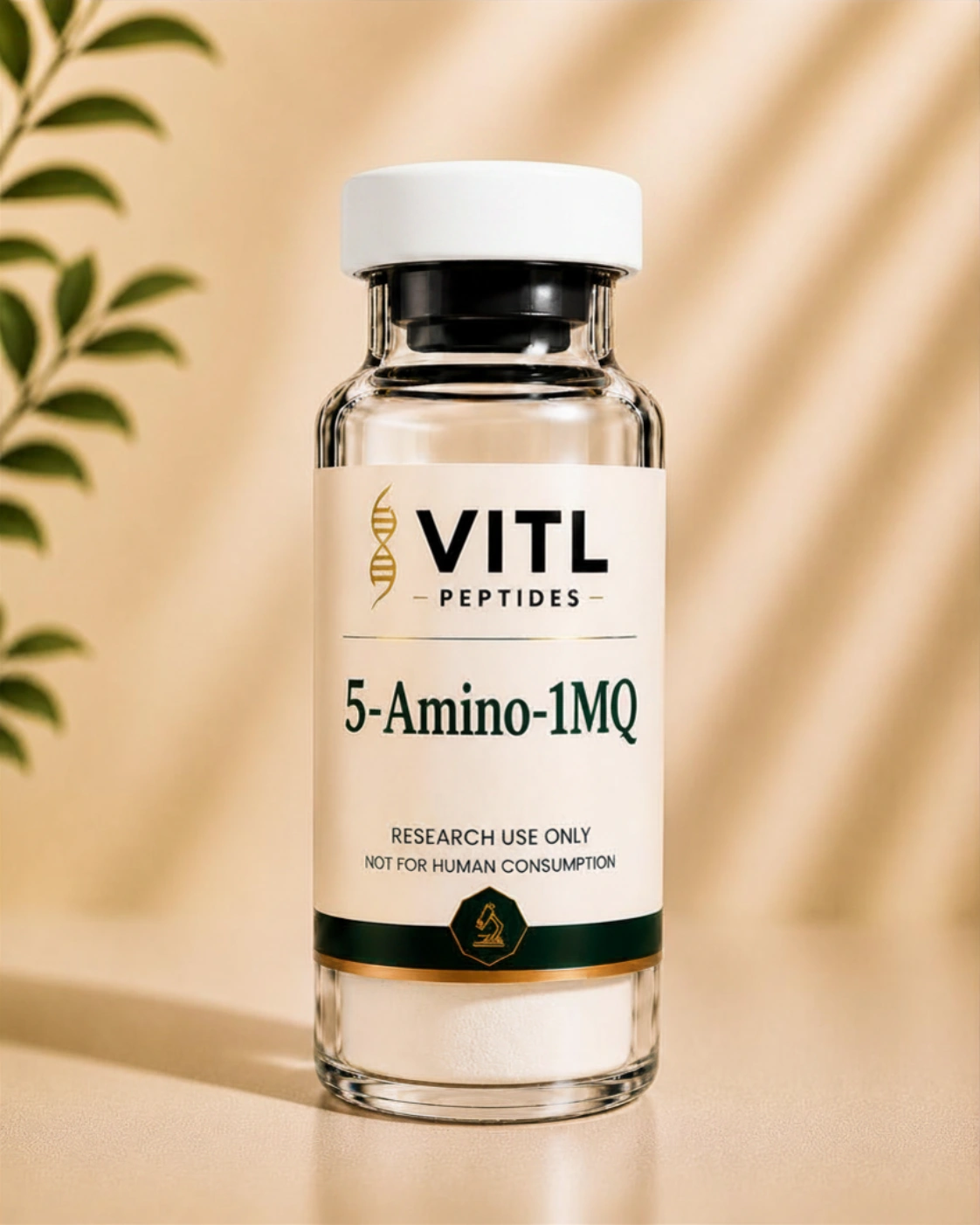
Modern metabolic research involves studying the chemical reactions and biological processes that allow cells to function. As scientific understanding develops, small-molecule compounds have become important tools for investigating specific enzymes, signalling pathways, and biochemical interactions. Their relatively compact structures make them valuable subjects for controlled laboratory studies.
Compounds such as 5-Amino-1MQ have attracted research interest because of their association with nicotinamide N-methyltransferase (NNMT). Understanding how small molecules are classified, investigated, and evaluated helps researchers make more informed decisions when selecting laboratory materials.
What Are Small-Molecule Compounds?
Small-molecule compounds are relatively low-molecular-weight chemical substances studied for their physical, chemical, and biological interactions. They differ from larger biological structures, such as proteins and nucleic acids, in their size and molecular complexity. Researchers interested in small-molecule studies may also explore options to buy 5-Amino-1MQ research compound for controlled laboratory investigations.
Their importance in modern research comes from the ability to investigate specific molecular interactions under controlled conditions. Rather than treating metabolism as a single process, researchers can examine individual components and how they contribute to broader biochemical systems.
Key Characteristics of Small Molecules
Small molecules have several characteristics that make them relevant to laboratory research. Their structures generally contain fewer atoms than larger biological molecules, although their chemical arrangements can still be complex.
Important characteristics include:
- Defined molecular structures and chemical identities.
- Specific functional groups that influence chemical behaviour.
- Physicochemical properties that can be measured experimentally.
- Potential interactions with enzymes and other biological targets.
- Suitability for investigation using established analytical techniques.
These characteristics make small molecules useful in a variety of biochemical research settings. However, the behaviour of an individual compound depends on its molecular structure, experimental environment, and the conditions under which it is studied.
Small Molecules Versus Peptides
Although small molecules and peptides may appear within the same research product categories, they are chemically different. Peptides consist of amino acids connected through peptide bonds, whereas small molecules are defined by their individual chemical structures.
This distinction is important when reviewing research materials. For example, 5-Amino-1MQ is a small-molecule compound rather than a peptide. Its classification is based on its chemical structure, not the category under which a supplier lists it.
Researchers comparing a 5-Amino-1MQ research compound for sale should therefore review the actual chemical identity and available analytical specifications instead of relying only on product category labels.
The Role of Small Molecules in Metabolic Research
Metabolism involves interconnected biochemical reactions that support cellular processes. Researchers investigate these pathways to understand how enzymes, substrates, and other molecular components interact.
Small molecules can help scientists examine particular biochemical targets and observe changes under controlled experimental conditions. Their value lies in supporting focused investigations rather than providing automatic explanations for complex biological systems.
Investigating Enzyme Activity
Enzymes are biological catalysts that facilitate chemical reactions. Their activity is essential to numerous metabolic processes, including the breakdown and transformation of different molecules.
Some small molecules are investigated for their ability to interact with particular enzymes. These compounds may serve as research tools for exploring enzyme activity, molecular binding, and related biochemical mechanisms.
5-Amino-1MQ is associated with research into nicotinamide N-methyltransferase (NNMT), an enzyme involved in nicotinamide metabolism. Studies examining this relationship can contribute to a better understanding of enzyme-related metabolic pathways.
However, experimental findings must be interpreted within the limitations of the research model. Laboratory observations do not automatically demonstrate effectiveness or safety in humans.
Exploring Cellular Metabolic Pathways
Cellular metabolism includes numerous pathways that influence how cells process and utilise different molecules. These pathways are interconnected, meaning that changes in one biochemical process may affect other components of a cellular system.
Small-molecule research can help investigate these relationships by focusing on defined molecular targets. Depending on the compound and experimental model, research may examine:
- Enzyme-related metabolic activity.
- Nicotinamide and methylation pathways.
- Cellular energy regulation.
- Biochemical signalling interactions.
- Changes in measurable laboratory markers.
For researchers considering whether to buy a 5-Amino-1MQ research compound, understanding its connection to NNMT-related investigations provides useful scientific context. It is equally important to recognise that research interest does not establish a proven therapeutic application.
5-Amino-1MQ and Its Place in Modern Research
5-Amino-1MQ provides an example of how a relatively small chemical structure can become relevant to a specialised area of metabolic research. Its association with NNMT makes it a subject of interest in investigations involving enzyme activity and nicotinamide-related biochemical processes.
Understanding Its Research Background
NNMT participates in methylation-related reactions involving nicotinamide and other compounds. Because this enzyme is connected to broader metabolic processes, researchers have investigated whether modifying its activity can provide insights into cellular biochemical regulation.
5-Amino-1MQ has been studied as an NNMT inhibitor in preclinical research. This background explains why it appears in discussions about small-molecule metabolic research.
When evaluating a 5-Amino-1MQ research compound for sale, it is important to separate the compound’s established chemical characteristics from experimental hypotheses and preliminary findings. More research is necessary before drawing conclusions about broader biological or clinical significance.
Why Research Documentation Matters
Reliable documentation is essential when selecting any laboratory compound. Researchers need sufficient information to identify the material, assess its reported quality, and understand its intended research classification.
Before making a decision to buy 5-Amino-1MQ research compound, researchers should examine:
- Product-specific chemical identity information.
- Batch-linked Certificate of Analysis (COA).
- Reported purity and testing methodology.
- Available HPLC or other analytical results.
- Product storage and handling instructions.
- Clear research-use restrictions.
A well-documented product makes it easier to assess whether the supplied material meets the requirements of a particular laboratory workflow. Documentation should be reviewed for the specific batch rather than assumed from general supplier statements.
Evaluating Small-Molecule Research Materials
Choosing research materials requires a structured approach. Product descriptions may provide an overview, but researchers should look beyond marketing language and examine the supporting technical information.
Assessing Product Quality and Consistency
Quality assessment involves reviewing the evidence available for a particular material. Analytical testing can help establish chemical identity and provide information about purity, depending on the methods and specifications used.
For example, HPLC is commonly used to evaluate the composition of chemical samples. Other analytical techniques may provide complementary information about molecular identity and material characteristics.
Researchers looking to buy 5-Amino-1MQ research compound should check whether the supplier provides documentation that corresponds to the actual product batch. This helps avoid relying solely on general purity claims or product images.
Selecting a Research-Focused Supplier
A research-focused supplier should provide clear product information, accessible documentation, and transparent handling requirements. These details support more informed material selection and help laboratories maintain organised research records.
Vitl Peptides provides research-focused product information for small-molecule compounds, including 5-Amino-1MQ. Researchers evaluating a 5-Amino-1MQ research compound for sale can review the available product specifications and applicable batch documentation before making a purchasing decision.
It is also important to follow laboratory safety procedures, institutional policies, and the supplier’s documented storage and handling requirements. Research compounds must not be treated as consumer health products or used for human or veterinary purposes.
Conclusion
Small-molecule compounds play an important role in modern metabolic research by allowing scientists to investigate defined chemical structures, enzyme interactions, and interconnected biochemical pathways. Their research value depends on accurate chemical identification, appropriate experimental design, and careful interpretation of findings.
5-Amino-1MQ is one example of a small molecule investigated in connection with NNMT and nicotinamide-related metabolic processes. Its scientific relevance makes understanding its molecular identity and research background particularly important.
For laboratories evaluating research materials, documentation, analytical transparency, and appropriate handling requirements should remain priorities. Vitl Peptides offers product information to support the evaluation of research-use-only materials, helping qualified researchers approach small-molecule investigations with greater attention to scientific documentation and material quality.
