

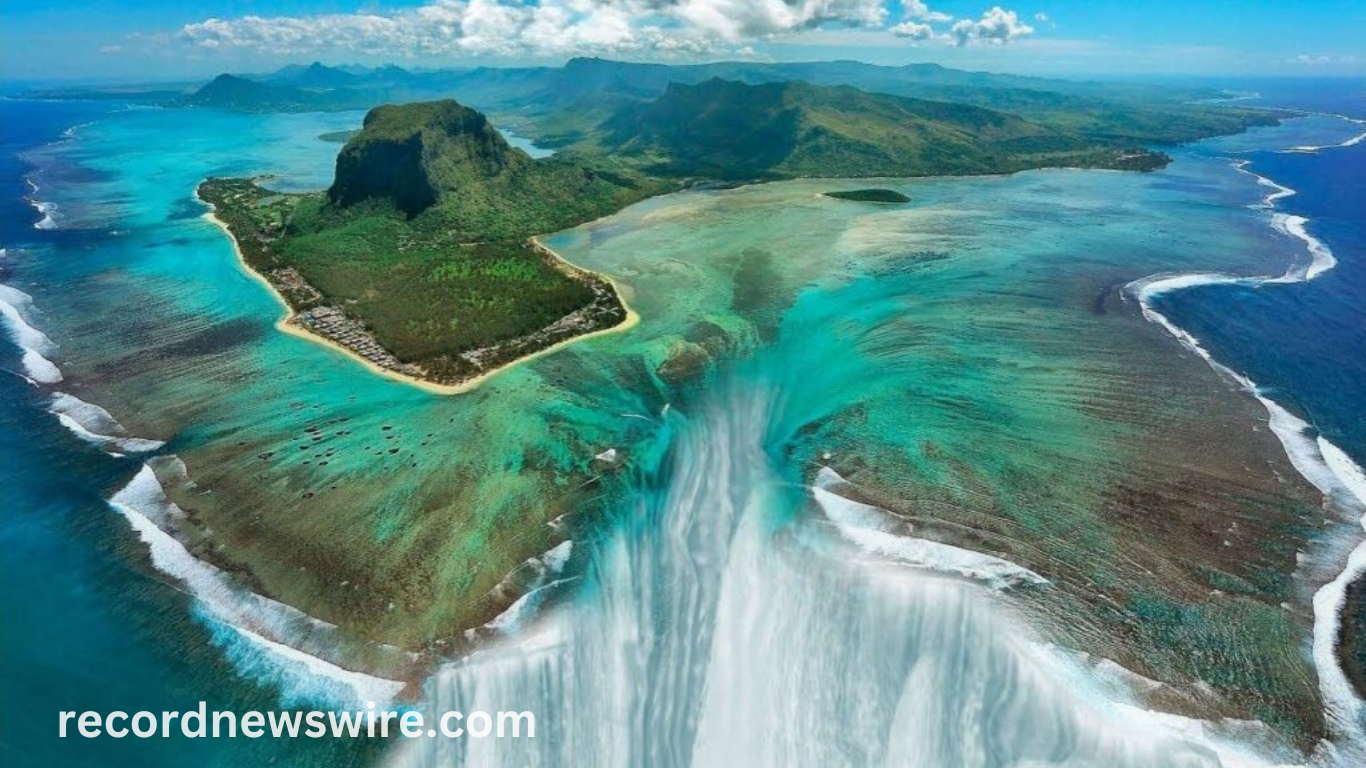
Deep beneath the surface of the North Atlantic, a towering natural wonder flows unseen. This isn’t a waterfall as most imagine—plunging over cliffs in tropical jungles or icy mountains. Instead, this waterfall moves silently in the cold, dark depths of the ocean, hidden between Greenland and Iceland.
Nature’s Greatest Flow in the Denmark Strait
The underwater waterfall in the Denmark Strait is the tallest known on Earth. Its water drops from one ocean layer to another for more than 11,500 feet—three times taller than Angel Falls in Venezuela. Unlike typical waterfalls driven by gravity alone, this one forms due to temperature and salinity differences between cold Arctic waters and warmer Atlantic waters.
Ocean Layers in Constant Motion
As cold, dense water from the Nordic seas flows south, it meets warmer, lighter water moving north. The cold water slips beneath the warm, creating a massive downward current. This descent is what defines the underwater waterfall—an invisible cascade driven by the principles of thermohaline circulation.
Driving the Global Ocean Conveyor
This immense flow plays a central role in the Atlantic Meridional Overturning Circulation (AMOC), a key component of Earth’s climate system. It acts like a conveyor belt, pushing warm water from the tropics northward and returning cold water southward at depth. This exchange regulates temperatures across continents, shaping weather, rainfall, and ecosystems.
Influence on Climate and Life
The waterfall’s impact reaches far beyond the Atlantic basin. It helps stabilize global climate, support marine biodiversity, and distribute oxygen and nutrients across ocean layers. Even minor changes in this flow can ripple through food chains and weather patterns worldwide.
A System Under Watch
Scientists monitor this underwater waterfall closely, using sensors, satellite data, and oceanographic models. Any slowdown or shift in this deep-water current could signal broader changes in ocean circulation, with potential consequences for coastlines, sea levels, and global temperatures.
Power Hidden in Silence
Despite its size and importance, the Denmark Strait waterfall remains virtually invisible. No crashing roar, no misty spray—only silent movement in the dark. But beneath the calm surface, this hidden force keeps oceans in balance, shaping the rhythm of the planet’s heartbeat.
Frequently Asked Questions
Where is the world’s tallest underwater waterfall located?
It lies in the Denmark Strait between Greenland and Iceland, beneath the Atlantic Ocean surface.
How tall is this underwater waterfall?
It measures over 11,500 feet in height, making it the tallest known waterfall on Earth.
Why does the underwater waterfall occur?
It forms due to differences in temperature and salinity between Arctic and Atlantic waters, causing dense water to sink.
Can this underwater waterfall be seen by humans?
No, it’s hidden deep beneath the ocean’s surface and can only be studied with specialized oceanographic instruments.
What is its role in the ocean system?
It contributes to the Atlantic Meridional Overturning Circulation, which helps regulate global climate and ocean currents.
Is this underwater waterfall dangerous?
Not directly to humans, but changes in its flow could impact marine life and weather systems globally.
How do scientists study this underwater phenomenon?
Researchers use underwater sensors, satellites, and ocean buoys to monitor temperature, salinity, and water movement.
Could climate change affect the underwater waterfall?
Yes, warming oceans and melting ice can alter salinity and temperature balances, potentially weakening the current.
Conclusion
Beneath the surface of the Denmark Strait flows a massive underwater waterfall shaping our climate and ocean systems. Though invisible, it’s vital to global balance, influencing temperatures, marine life, and weather patterns. Monitoring its activity is crucial in understanding Earth’s changing environment and the unseen forces that sustain life across the planet.