

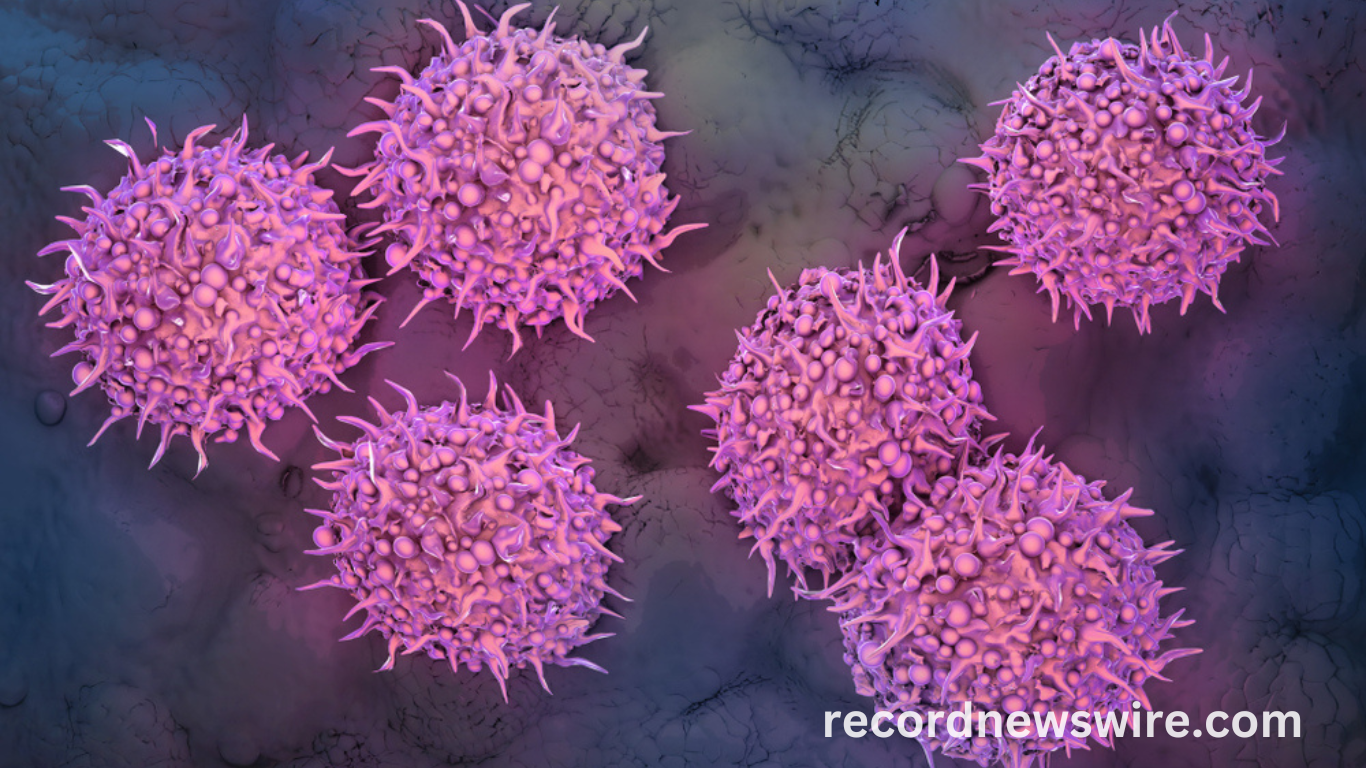
Human foreskin, a part of the male anatomy, has gained attention in various scientific fields for its unique properties. The tissue, typically discarded after circumcision, has become a subject of research due to its potential in medical, cosmetic, and biotechnology advancements.
Medical Applications and Advancements
In medical research, human foreskin is highly valued for its regenerative properties. The cells within foreskin tissue, particularly fibroblasts, are known for their ability to promote healing and tissue growth. This makes foreskin-derived cells a valuable resource in creating treatments for wounds, burns, and even certain degenerative diseases.
Stem Cell Research and Regenerative Medicine
One of the most significant areas where human foreskin is in demand is stem cell research. The tissue is rich in stem cells, which have the potential to transform into various types of cells in the body. These stem cells are used in lab experiments to develop therapies for conditions like heart disease, Parkinson’s, and spinal cord injuries, holding great promise for regenerative medicine.
Cosmetics and Anti-Aging Treatments
In the cosmetic industry, human foreskin-derived stem cells and tissues are utilized for their anti-aging properties. Extracts from the foreskin have been used in high-end skincare products due to their ability to stimulate collagen production and improve skin elasticity. These ingredients are sought after for their effectiveness in reducing wrinkles and promoting youthful skin.
Read More : Is Ball Lightning Real? The Science Behind Nature’s Strangest Light Show
Biotech and Pharmaceutical Industries
The foreskin tissue plays a crucial role in biotechnology and pharmaceutical industries. Scientists use it to develop tissue cultures, which are essential for drug testing, vaccine development, and understanding disease mechanisms. These cultures help in screening for new treatments and better-targeted medicines, particularly in the fields of immunology and cancer research.
Ethical Considerations and Public Debate
While the demand for human foreskin in science continues to grow, it has sparked ethical debates. Critics raise concerns about the sourcing of the tissue and the potential for exploitation. In contrast, proponents argue that its use in research has led to significant medical breakthroughs, benefiting society as a whole.
Frequently Asked Questions
What makes human foreskin valuable in scientific research?
Human foreskin is rich in stem cells, fibroblasts, and regenerative tissue, making it ideal for medical and cosmetic applications.
How is human foreskin used in stem cell research?
Foreskin tissue contains stem cells that can transform into different cell types, helping in regenerative medicine and therapy development.
Are there any ethical concerns about using human foreskin in science?
Yes, ethical debates focus on the sourcing of foreskin tissue and its use in research, with concerns about exploitation.
How is foreskin used in the cosmetic industry?
Foreskin-derived extracts are used in skincare products for their anti-aging properties, such as boosting collagen production and skin elasticity.
What role does foreskin play in medical advancements?
Foreskin tissue is used to promote healing, develop wound care treatments, and advance therapies for burns and degenerative diseases.
How does human foreskin contribute to pharmaceutical research?
Foreskin cells are used in creating tissue cultures for drug testing, vaccine development, and understanding disease mechanisms.
Can foreskin-derived cells be used in the treatment of spinal injuries?
Yes, foreskin-derived stem cells show potential in regenerative medicine, including treating spinal cord injuries and other tissue-related conditions.
Is the use of human foreskin for scientific purposes widespread?
Yes, its application spans across various fields, including stem cell therapy, wound healing, skincare, and biotechnology.
Conclusion
Human foreskin plays a crucial role in scientific advancements, particularly in regenerative medicine and cosmetics. Despite ethical concerns, its unique properties continue to drive groundbreaking research across multiple industries, offering hope for innovative treatments and therapies.