

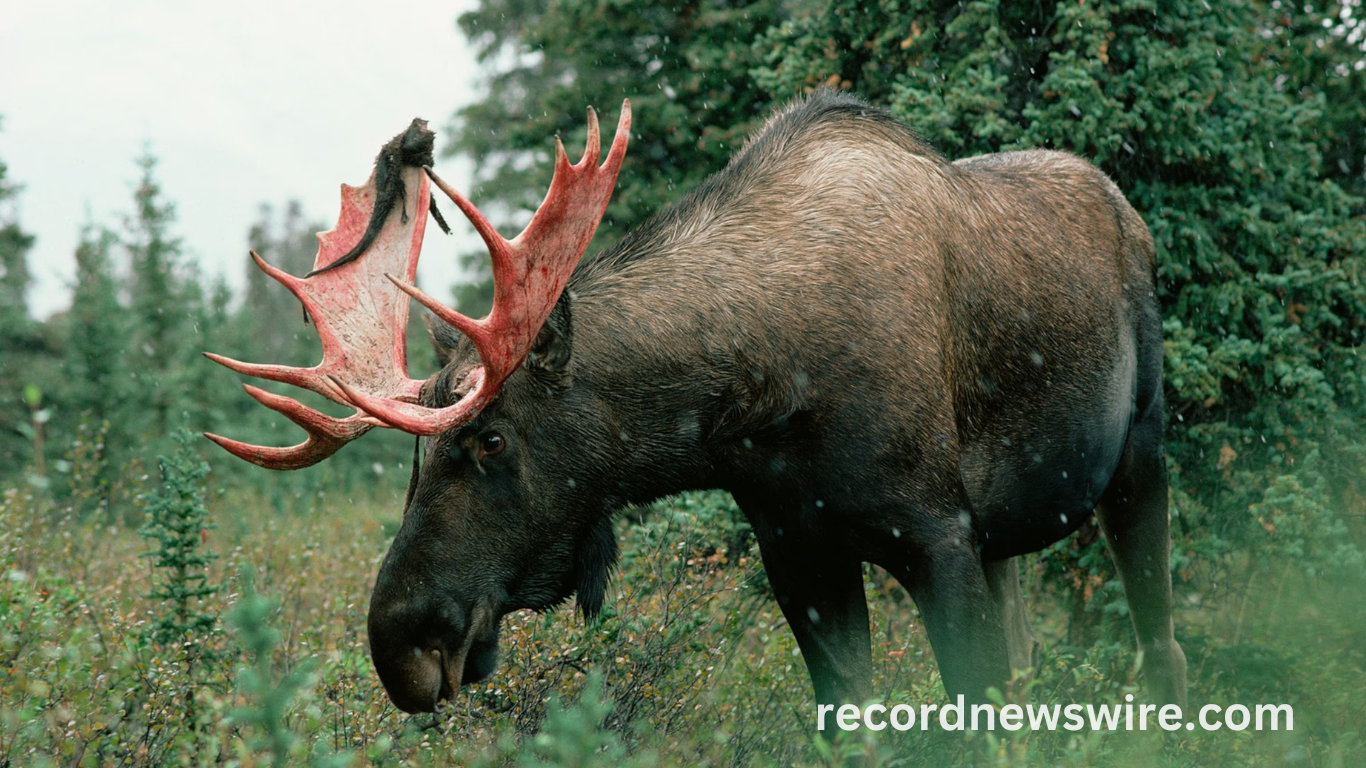
Deer typically shed their antlers once a year, often in late winter to early spring. The exact timing can vary depending on the species, region, age, and health of the deer. In northern climates, antler shedding usually happens between January and March. In warmer regions, some bucks might hold onto their antlers until April. Factors like decreasing daylight and falling testosterone levels trigger this natural cycle.
Why Do Deer Shed Their Antlers
Antler shedding is part of a regenerative process. After the mating season ends, hormonal changes cause the bone at the antler base to weaken. This leads to the antlers detaching and falling off. Shedding allows deer to conserve energy and regrow a fresh, often larger, set of antlers for the next season.
How Long Does It Take for Antlers to Grow Back
Antlers begin regrowing almost immediately after shedding. Full regrowth usually takes between 3 to 5 months. Growth rates can be rapid, especially in spring and early summer. During this period, antlers are covered in velvet, a soft tissue that supplies nutrients and oxygen to the developing bone.
Are Antlers Made of Bone
Yes, antlers are true bone structures. Unlike horns, which are permanent and made of keratin, antlers are seasonal and composed of solid bone. Once fully grown, the velvet dries up and is typically rubbed off by the deer on trees and other rough surfaces.
Do All Deer Have Antlers
In most deer species, only males grow antlers. However, there are exceptions. Female caribou (also called reindeer) also grow antlers, which they use for foraging and social dominance during the winter. In rare cases, hormonal imbalances can cause antler growth in females of other species.
Can You Tell a Deer’s Age by Its Antlers
Antler size and points aren’t a reliable indicator of age on their own. While younger deer tend to have smaller, simpler antlers, other factors like genetics, nutrition, and habitat quality play major roles. Older, well-fed bucks often grow larger antlers, but exact age determination typically requires examining teeth.
Where Can You Find Shed Antlers
Shed antlers are commonly found in areas where deer spend a lot of time during winter—bedding areas, feeding zones, and travel paths. South-facing slopes, sheltered valleys, and fields near woodlines are hotspots for shed hunting. Spotting them takes patience, but finding one is a rewarding experience.
Frequently Asked Questions
Do Antlers Hurt When They Fall Off?
No, the process is painless. Antlers naturally detach when the connecting tissue at the pedicle weakens.
What Happens to Antlers After They Fall?
They often get chewed by rodents or decompose naturally, as they’re rich in calcium and other minerals.
Can You Tell Species by Shed Antlers?
Yes, antler shape, size, and time arrangement can help identify the specific deer species.
How Heavy Can Deer Antlers Be?
Antler’s weight varies. Large whitetail antlers can weigh up to 5 pounds per side, while moose antlers weigh much more.
What’s the Purpose of Antlers?
Antlers are used for dominance displays, fighting during mating season, and impressing potential mates.
Do Antlers Keep Growing All Year?
No, growth occurs for a few months annually, usually from spring through late summer.
Is It Legal to Collect Shed Antlers?
In most areas, yes. However, some regions have restrictions or shed hunting seasons to protect wildlife.
Can You Train Dogs to Find Antlers?
Yes, many shed hunters use trained dogs to help locate sheds more efficiently and cover more ground.
Conclusion
Antlers offer fascinating insight into deer life and health. From seasonal shedding to rapid regrowth, these bone structures play essential roles in mating, survival, and communication. Whether you’re a hunter, wildlife enthusiast, or casual observer, understanding antlers adds depth to your appreciation of deer behavior and biology. Exploring the cycle of shedding and regrowth can lead to more meaningful encounters with nature and its incredible design.