

When designing a gym, whether it’s a commercial fitness center, a home workout room, or a school sports hall, flooring is often overlooked. However, it plays a critical role in the overall functionality, safety, and aesthetics of the space. One of the most versatile and increasingly popular flooring options for gyms is vinyl flooring. Durable, low-maintenance, and affordable, vinyl gym flooring is a smart investment for both commercial and personal fitness environments.
What is Vinyl Gym Flooring?
Vinyl flooring is a synthetic product made primarily from polyvinyl chloride (PVC), which can be engineered to provide different levels of hardness, flexibility, and cushioning. For gym applications, it is typically manufactured in layers: a wear layer for durability, a printed layer for design, and a backing layer for support and shock absorption.
Modern vinyl flooring comes in various forms including tiles, planks, and rolls, allowing gym owners to choose a solution that best fits their space and performance requirements.
Advantages of Vinyl Gym Flooring
1. Durability and Resilience
One of the biggest benefits of vinyl gym flooring is its ability to withstand high levels of foot traffic and equipment load. Unlike some traditional flooring materials that can crack or warp under pressure, vinyl is known for its resilience. It can handle dropped weights, intense workouts, and rolling equipment like treadmills or weight benches without significant wear.
2. Shock Absorption and Safety
Vinyl flooring is engineered to offer a level of cushioning, which is crucial in a gym setting. Whether it’s high-impact activities like aerobics or simple stretching exercises, the surface helps reduce the risk of injuries by absorbing some of the shocks from movement. This makes vinyl a safer option compared to harder surfaces like concrete or hardwood.
3. Water and Sweat Resistance
Gyms are high-moisture environments, and flooring that can resist water and sweat is essential to prevent mold, mildew, and warping. Vinyl is non-porous and resistant to moisture, making it ideal for locker rooms, shower areas, or any fitness space where humidity levels are high.
4. Easy Maintenance
Vinyl is incredibly easy to clean and maintain. Daily sweeping and occasional mopping with a mild cleaner are generally all that’s needed to keep it looking new. Its stain-resistant surface also means that spilled drinks, sweat, or scuff marks from shoes won’t leave lasting damage.
5. Cost-Effective
Compared to other gym flooring options like rubber or hardwood, vinyl is often more affordable, especially when covering large areas. Its long lifespan and minimal maintenance costs further enhance its value, making it a cost-effective choice for both short-term and long-term use.
6. Aesthetic Versatility
Vinyl flooring is available in a wide range of colors, textures, and patterns. Whether you want a sleek, modern look or something that mimics natural wood or stone, there’s likely a vinyl option to suit your aesthetic. This allows gym owners to create a space that aligns with their brand or personal taste without compromising on performance.
Types of Vinyl Gym Flooring
1. Luxury Vinyl Tile (LVT)
LVT offers the look of natural materials like wood or stone while providing the durability and comfort of vinyl. It is often used in fitness studios, yoga rooms, or home gyms where appearance is just as important as function.
2. Vinyl Sheet Flooring
Sheet vinyl is rolled out in large sections, providing a seamless and water-resistant surface. This type is excellent for large commercial gyms or multi-purpose sports areas.
3. Vinyl Composite Tile (VCT)
VCT is a more budget-friendly option, commonly used in schools and community centers. While not as durable as LVT or sheet vinyl, it can still handle moderate gym use and offers easy replacement of damaged tiles.
Installation Considerations
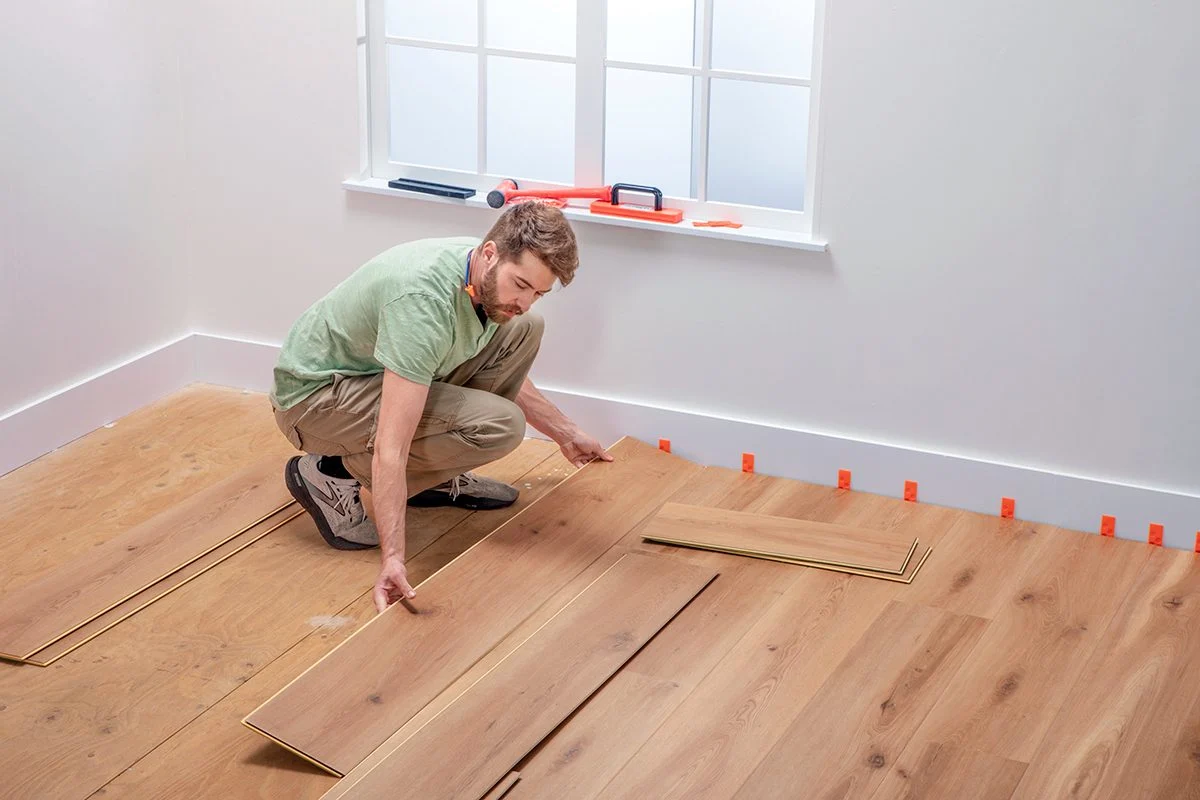
Vinyl flooring is generally easy to install, especially for those with some DIY experience. However, professional installation is recommended for large or high-use spaces to ensure proper sealing and alignment.
The subfloor must be clean, dry, and level to prevent issues like bubbling or uneven wear. Depending on the type of vinyl chosen, it can be installed using adhesives, click-lock systems, or loose-lay techniques.
Vinyl vs. Rubber Gym Flooring
While rubber flooring is often touted as the gold standard for gyms, vinyl offers several advantages. Vinyl is lighter, often more affordable, and comes in a wider variety of styles. It’s also less porous than rubber, making it better at resisting moisture and odors.
That said, rubber is more suitable for heavy weightlifting areas due to its superior impact resistance. Many gyms opt for a combination: rubber in free weight zones and vinyl in cardio or group fitness areas.
Environmental Considerations
Vinyl has come a long way in terms of environmental impact. Many modern vinyl flooring products are made with recycled materials and are fully recyclable. Low-VOC (volatile organic compounds) options are also available, ensuring better indoor air quality.
For eco-conscious consumers, it’s worth researching manufacturers who prioritize sustainability in their production and materials sourcing.
Conclusion
Vinyl gym flooring offers an excellent blend of performance, aesthetics, and value. It’s an ideal solution for those looking to create a safe, stylish, and functional fitness space without breaking the bank. Whether you’re outfitting a professional gym or a personal workout room, vinyl flooring provides the durability and design flexibility needed to meet a wide range of fitness demands.
With proper care and installation, vinyl flooring can serve as a reliable foundation for any workout environment for years to come.
