

If you work at a desk, chances are your neck doesn’t really get a break even when you sleep.
Long hours on laptops, constant screen use, forward head posture, and stress slowly overload the cervical spine. Many office workers assume neck pain comes only from sitting posture, but the truth is this:
Your recovery happens during sleep. And if sleep ergonomics are poor, your neck never truly resets.
That’s why choosing the right pillow for cervical pain and maintaining proper sleep alignment has become quite essential for modern office lifestyles.
Let’s understand how work habits affect your neck, why sleep posture matters so much. On top of it, how a proper cervical pillow supports long-term spinal health.
Why Office Workers Commonly Develop Cervical Pain
Office work may look physically easy, but biomechanically, it places continuous stress on the neck.
Typical daily habits include the following:
- leaning toward screens
- looking down at laptops or phones
- rounded shoulders
- prolonged sitting without movement
- minimal muscle activation
This creates what physiotherapists call forward head posture.
For every inch your head moves forward, the load on your cervical spine nearly doubles. Over time, this leads to:
- muscle fatigue
- ligament strain
- disc pressure
- reduced blood circulation
- joint stiffness
By bedtime, your neck muscles are already tired. Poor pillow support during sleep keeps them strained for another 6–8 hours.
What Is Sleep Ergonomics?
Sleep ergonomics simply means maintaining correct spinal alignment while sleeping, just like workplace ergonomics focuses on posture while sitting.
Good sleep ergonomics ensures:
- the head stays aligned with the spine
- neck muscles fully relax
- discs decompress overnight
- nerves remain free from pressure
A properly designed cervical pain relief pillow helps maintain this alignment automatically while you sleep.
Why Regular Pillows Often Fail Office Workers
Most traditional pillows prioritize softness rather than spinal support.
Common problems include:
1. Pillow too high
Pushes the head forward, worsening already strained neck muscles.
2. Pillow too flat
Allows the neck in order to drop backward or sideways.
3. Loss of shape
Old pillows collapse overnight, removing support.
For someone spending 8–10 hours daily at a desk, this lack of nighttime support prevents recovery and contributes to chronic cervical discomfort.
How a Cervical Neck Pillow Supports the Spine
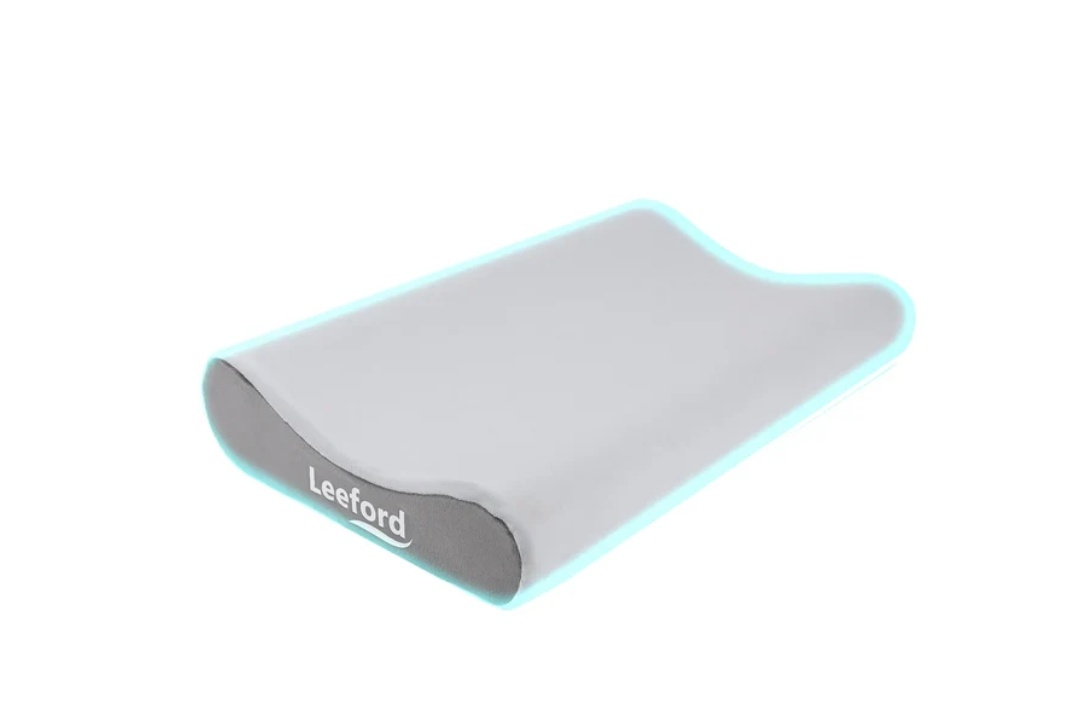
A cervical pillow is shaped to maintain the natural curve of the neck, known as cervical lordosis.
Instead of supporting only the head, it supports:
- the neck curve
- shoulder alignment
- head positioning
This allows muscles to relax instead of working all night to stabilize the head.
A good cervical spondylosis pillow helps by doing all these:
- reducing joint compression
- distributing pressure evenly
- improving muscle relaxation
- minimizing morning stiffness
- supporting nerve recovery
For office workers dealing with screen-related strain, this nightly correction becomes extremely valuable.
Best Sleeping Positions for Office Workers with Neck Pain
Back Sleeping (Highly Recommended)
This position maintains the most neutral spinal alignment.
Tips to implement:
- Use a cervical pillow with neck contour support
- Keep head centered
- Avoid very thick pillows
Back sleeping allows cervical discs to decompress after prolonged sitting.
Side Sleeping (Common and Safe)
Side sleepers need proper gap filling between head and mattress.
Important points:
- Pillow height should match shoulder width
- Neck should remain straight, not tilted
- Firm cervical support works best
A well-designed neck support pillow prevents sideways bending that stresses cervical joints.
Stomach Sleeping (Least Recommended)
This forces the neck into rotation for hours.
Office workers already dealing with neck strain may experience:
- morning stiffness
- nerve irritation
- headaches
If changing position is difficult, use a very thin pillow to reduce twisting.
How Cervical Spondylosis Relates to Sleep Ergonomics
Many desk professionals develop early signs of cervical spondylosis due to prolonged static posture.
Cervical spondylosis involves the following:
- disc degeneration
- joint wear
- stiffness
- occasional nerve compression
During sleep, improper neck positioning increases disc pressure further.
A supportive cervical pillow helps maintain spacing between vertebrae, reducing nighttime stress on already sensitive joints.
This is why sleep ergonomics form a key part of conservative management for cervical spine conditions.
Features to Look for in the Best Cervical Pillow
When picking the best cervical pillow, consider function over softness.
1. Contoured Design
Supports neck curve while cradling the head.
2. Medium-Firm Support
Too soft fails to stabilize; too hard causes pressure.
3. Height Compatibility
Should match body structure and sleeping position.
4. Pressure Distribution
Reduces muscle fatigue points.
5. Breathability
Prevents overheating during long sleep hours.
Signs Your Pillow Is Affecting Your Neck
Office workers should reassess their pillow if they are dealing with the following:
- neck stiffness every morning
- headaches after waking
- shoulder tightness
- numbness or tingling in arms
- frequent sleep disturbances
- needing multiple pillows for comfort
These often indicate poor cervical support overnight.
Daily Habits That Improve Sleep Ergonomics
A cervical pillow works best alongside healthy habits.
After-work reset routine
- gentle neck stretches
- shoulder rolls
- posture correction exercises
- limiting late-night phone use
Bedtime adjustments
- keep screen devices at eye level before sleep
- avoid falling asleep while scrolling
- maintain consistent sleep posture
Small habits totally improve cervical recovery.
The Science of Overnight Neck Recovery
During sleep:
- spinal discs rehydrate
- muscles repair microscopic strain
- nerve irritation reduces
- inflammation settles
But this recovery happens effectively only when the cervical spine remains neutral.
Poor sleep alignment interrupts this healing process, which explains why many office workers wake up feeling just as stiff as they did the night before.
When You’ll Start Noticing Positive Changes?
With proper sleep ergonomics and a supportive cervical pillow:
- mild stiffness may improve within 1–2 weeks
- posture-related pain improves gradually
- sleep quality often improves first
- long-standing cervical discomfort takes longer
Consult a healthcare professional if neck pain includes all these:
- persistent arm numbness
- weakness in hands
- severe headaches
- radiating shoulder or arm pain
- pain following injury
A pillow supports recovery but does not replace medical treatment when needed.
The Takeaway
For office workers, neck strain doesn’t end when work hours finish. Sleep becomes the body’s primary opportunity to recover from daily postural stress.
Good sleep ergonomics are supported by the right cervical neck pillow and proper neck support. Also, it helps restore alignment, reduce muscle fatigue as well as protect long-term cervical spine health. Your pillow is not only for bedding, but also an overnight spinal support.
When your neck stays aligned during sleep, mornings feel lighter, movement becomes easier, and workday discomfort gradually reduces.