

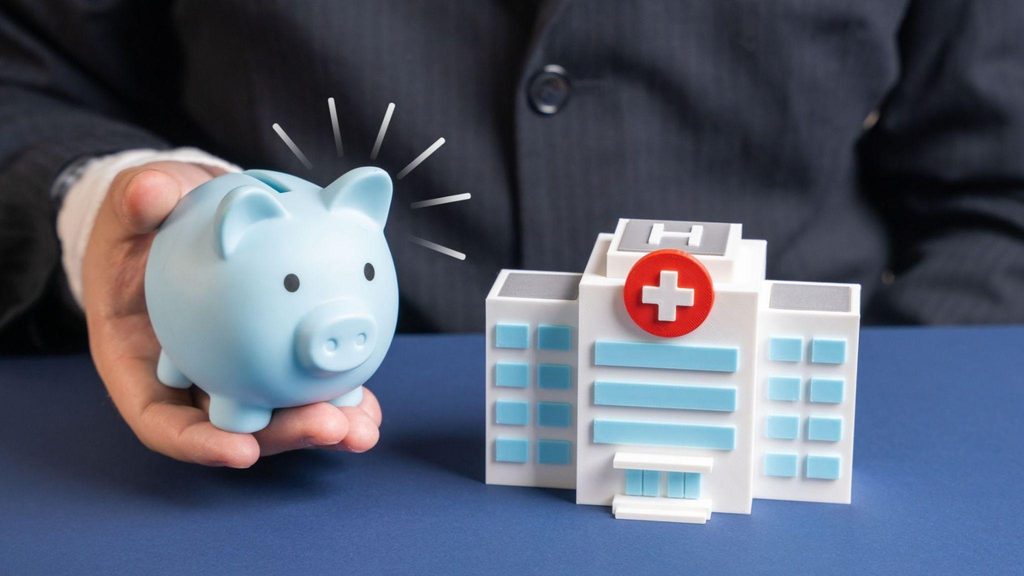
Yes, it can. A single hospital stay for a serious illness or accident can cost more than most Indian families keep aside for emergencies. Without health insurance, the entire bill comes out of those savings.
Most people build an emergency fund for a job loss, a car repair or a sudden trip home. Very few plan for a hospital admission, even though it is often the most expensive emergency a family will face.
Why Hospital Bills Climb So Fast
Room rent is only one part of the bill. The amount you pay at discharge is a long list of charges that build up every day you stay.
- Room and ICU charges, which rise with each extra day
- Fees for the surgeon, anaesthetist and specialists
- Blood tests, scans and other diagnostics
- Medicines and consumables such as gloves, syringes and dressings
- Doctor visits and tests before admission and after discharge
Medical costs in India go up every year, often faster than salaries. A procedure that felt manageable a few years ago can cost far more today, especially at private hospitals in metro cities.
What a Large Bill Does to Your Savings
An emergency fund is meant to carry you through several months. One hospital bill can empty it in a week.
When that happens, families often have to:
- Break fixed deposits early and lose part of the interest
- Sell gold or use money saved for a child’s education
- Borrow from relatives or take personal loans at high interest
- Put off plans like buying a home
Then there is the stress of arranging lakhs of rupees at the billing counter while someone you love is still in the ward.
How Health Insurance Keeps Your Savings Safe
Health insurance covers the big hospital costs, so your emergency fund stays intact. For households, family insurance plans on a floater basis cover everyone under one sum insured and usually cost less than separate policies.
Most policies cover:
- Hospitalisation expenses, including room, ICU and surgery
- Pre- and post-hospitalisation costs for a set number of days
- Day-care procedures that don’t need a 24-hour stay
- Ambulance charges
- Cashless treatment at network hospitals
The cashless facility matters most here. The insurer settles the bill directly with the hospital, so you don’t have to arrange a large sum upfront.
What To Check before You Buy
Price matters, but the cheapest plan is rarely the best value. A proper health insurance premium comparison should look at what each plan offers, not just what it costs.
Check these points:
- Sum insured: Choose an amount that matches hospital costs in your city, keeping future increases in mind
- Room rent limit: A cap on room rent can reduce your whole claim, not just the room charge
- Co-payment: Some plans ask you to pay a fixed share of every claim
- Waiting periods: Know how long you must wait before pre-existing diseases and certain treatments are covered
- Network hospitals: Make sure good hospitals near your home are on the insurer’s list
- Restoration benefit: This refills your sum insured if it gets used up within the policy year
- Claim process: Read how claims are filed and how quickly they are settled
If your parents are above 60, a separate policy for them is often the better choice. That way, one large claim does not use up the cover meant for the rest of the family.
Keep Both Your Savings And Your Cover
Insurance and an emergency fund do different jobs. You need both to work together.
- Insurance pays for large hospital bills
- Savings cover co-payments, non-medical items and expenses the policy excludes
- Premiums you pay qualify for a tax deduction under Section 80D and its updated structure under Section 126.
- Review your cover every few years as your income, family size and medical costs change
Buying early also helps. Premiums are lower when you are young and healthy, and you complete waiting periods before you are likely to need treatment.
The Bottom Line
A hospital bill can wipe out years of savings in just a few days. That risk applies to every family, whatever their income.
The answer is straightforward: get adequate health cover, keep your emergency fund for everything else, and review both regularly. That way, a hospital visit stays a health problem and does not turn into a money problem.
