

Overall Summary
The operational integrity of commercial and residential infrastructure depends entirely on the proactive diagnosis and remediation of the exterior building envelope. This technical evaluation details the specific engineering parameters, pathology identification protocols, and material fatigue analyses required to prevent catastrophic structural failure. Facility managers and building owners will find objective data regarding hydrostatic pressure vulnerabilities, aerodynamic fastener shear, non-destructive moisture detection, and lifecycle economic metrics. Adhering to these strict diagnostic standards prevents hidden moisture infiltration, neutralizes the risk of structural deck deflection, and ensures continuous regulatory code compliance while maximizing the operational lifespan of the roofing asset.
Key Takeaways
- Environmental degradation dictates the physical lifespan of exterior materials, requiring localized pathology tracking to prevent systemic failure.
- Non-destructive diagnostic imaging isolates trapped interstitial moisture before it degrades the internal wooden framing or commercial insulation layers.
- Proactive mechanical audits identify fastener fatigue and aerodynamic vulnerabilities long before severe weather events trigger catastrophic panel or shingle detachment.
Environmental Degradation and Material Pathology
Exterior roofing materials are subjected to a relentless onslaught of environmental stressors that actively break down their chemical and mechanical bonds. Ultraviolet radiation is the primary catalyst for material pathology. As solar radiation strikes the structural envelope, it initiates photo-oxidation at the molecular level. For asphaltic systems, this continuous UV exposure vaporizes the vital chemical oils that provide the material with flexibility and waterproofing capabilities. The material becomes highly brittle, resulting in surface cracking, edge curling, and the accelerated shedding of protective ceramic granules. Once the fiberglass mat is exposed directly to the elements, the material offers zero resistance to hydrostatic pressure. To evaluate these specific environmental vulnerabilities, property owners mustCall Now And Get A Free Quote to schedule a baseline diagnostic assessment.
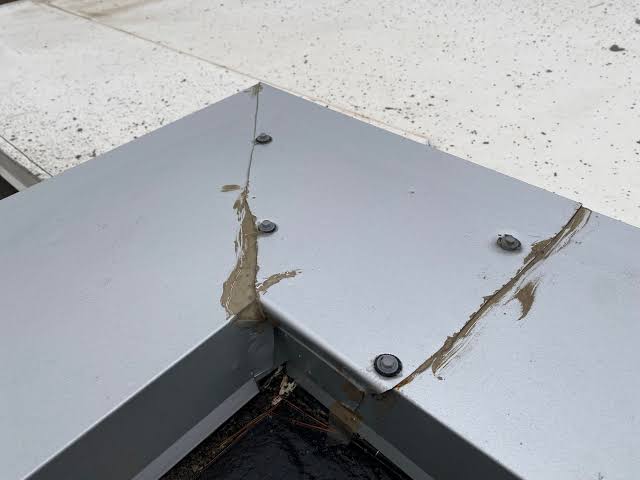
Thermal cycling introduces severe mechanical stress into the structural assembly. Materials physically expand as they absorb solar radiation during peak daylight hours and contract as ambient temperatures rapidly fall at night. This continuous dimensional shifting places extreme tension on overlapping seams, chemical adhesives, and mechanical fasteners. In metallic systems, this constant movement can shear screw shafts or wallow out the original puncture holes in the metal panels, creating direct pathways for moisture intrusion. In single-ply polymer membranes, thermal shock accelerates the degradation of heat-welded seams, causing them to separate and expose the highly vulnerable insulation layers directly below. Identifying this specific material fatigue requires highly trained technical observation before the damage propagates into the underlying structural decking.
Hydrostatic Pressure and Capillary Infiltration
The primary function of a pitched or low-slope building envelope is to shed water efficiently through gravitational flow. However, standard exterior materials are not impervious to severe hydrostatic pressure or wind-driven rain. During severe atmospheric events, high-velocity wind actively pushes liquid water upward, defying gravity and forcing it underneath shingle courses or into microscopic fractures in tile mortar. Once water bypasses the primary exterior shield, the structural integrity of the entire building relies entirely on the secondary synthetic underlayment. If this secondary barrier is degraded, improperly overlapped, or punctured by backing-out fasteners, water will immediately contact the wooden substrate. Before capillary action dictates a full structural replacement, facility managers shouldCall Now And Get A Free Quote to identify these microscopic breaches.
Capillary action is a fluid dynamic phenomenon where liquid flows through narrow spaces without the assistance of, or even in opposition to, external forces like gravity. When water breaches the underlayment, capillary action draws the moisture down the exact shaft of the mechanical roofing nails, bypassing the surface of the deck and depositing the water directly into the internal structural trusses. This hidden moisture saturation initiates rapid wood rot, delamination of oriented strand board, and the proliferation of toxic biological growth within the unconditioned attic cavity. Because this specific type of infiltration occurs entirely beneath the exterior materials, it remains completely invisible to standard visual inspections until the internal drywall begins to stain or the structural deck visibly deflects under its own dead weight.
Non-Destructive Diagnostic Imaging Protocols
Modern structural diagnostics rely on advanced technological protocols to locate hidden material failures without requiring the destructive removal of the exterior envelope. Infrared thermography is the primary non-destructive testing methodology utilized to map interstitial moisture. During daylight hours, the roofing system absorbs solar energy. As the sun sets, dry insulation and dry wooden decking cool rapidly. However, areas saturated with liquid water retain thermal mass and cool at a significantly slower rate. Technicians utilize high-resolution thermal imaging cameras to detect these exact temperature differentials across the surface of the roof. To utilize these advanced diagnostic protocols on a deteriorating building envelope,Call Now And Get A Free Quote for a targeted moisture analysis.
When a thermal anomaly is identified, technicians confirm the presence of liquid moisture utilizing capacitance and conductance moisture meters. These devices send low-frequency electrical signals through the roofing materials to measure the exact moisture content of the substrate below without puncturing the membrane. By cross-referencing thermal imaging data with electrical capacitance readings, engineers can create a highly accurate topographical map of the structural decay. This precise mapping allows property owners to execute localized, surgical repairs, cutting out and replacing only the saturated insulation and degraded decking rather than financing a highly expensive, total structural tear-off.
Aerodynamic Vulnerability and Fastener Fatigue
Coastal zones and high-altitude regions subject building envelopes to extreme aerodynamic lift. When high-velocity wind accelerates over the ridge of a structure, it generates intense negative pressure on the leeward side. This aerodynamic lift actively pulls upward on the exterior materials. The ability of the roof to remain attached to the building is dictated entirely by the withdrawal resistance of its mechanical fasteners. Over a standard operational lifecycle, the constant micro-vibrations caused by moderate winds, combined with daily thermal expansion, cause the fasteners to slowly back out of the wooden decking. To quantify the exact withdrawal resistance of an aging envelope, stakeholders mustCall Now And Get A Free Quote and initiate a mechanical audit.
As nails back out, they push against the underside of the shingles or metal panels, causing physical damage and breaking the chemical sealant strips that hold the materials flat. This phenomenon, known as nail pop, instantly invalidates the aerodynamic rating of the entire system. A mechanical audit involves the selective testing of specific perimeter zones, eaves, and rakes to measure the remaining shear strength and pull-out resistance of the existing fasteners. If the fasteners have lost their structural grip on the decking fibers, a severe cyclonic event will effortlessly peel the exterior materials away, exposing the internal living space to catastrophic water damage and aerodynamic pressurization.
Economic Analysis of Lifecycle Remediation
Managing a structural building asset requires a strict adherence to lifecycle economics. Deferring required diagnostics and ignoring minor, localized pathology invariably leads to systemic failure. When a minor flashing leak is ignored, the resulting water intrusion saturates the decking, compromises the insulation, and degrades the internal framing. What could have been resolved with a minor localized sealant application rapidly escalates into a massive capital expenditure requiring full deck remediation and interior drywall replacement. To align these financial metrics with immediate structural requirements,Call Now And Get A Free Quote to establish a concrete capital expenditure plan.
Proactive diagnostic protocols yield a highly favorable return on investment. By utilizing infrared thermography and mechanical audits, property owners transition from a reactive repair model to a predictive maintenance model. Predictive maintenance extends the operational lifespan of the structural envelope by addressing minor material fatigue before it impacts the substrate. This strategy allows financial officers to amortize the cost of the roofing asset over its maximum engineered lifespan, avoiding premature replacement cycles and preventing sudden, unbudgeted emergency repair expenditures. Furthermore, documenting these proactive maintenance protocols is explicitly required by major material manufacturers to maintain the validity of their long-term structural warranties.
Frequently Asked Questions
1. How does infrared thermography accurately detect water beneath a completely sealed exterior membrane?
Thermal imaging does not see through the materials; instead, it measures the rate of thermal dissipation. Water trapped beneath the surface retains heat much longer than dry insulation after the sun sets. Maze Roofing utilizes high-resolution infrared cameras during specific atmospheric windows to capture these precise temperature differentials, mapping hidden moisture without puncturing the roof.
2. What structural factors cause mechanical fasteners to back out of the wooden decking over time?
Fasteners back out due to a combination of continuous wind-induced micro-vibrations and the daily thermal expansion and contraction of the building envelope. This constant movement wallows out the wood fibers holding the nail. Maze Roofing deploys rigorous mechanical audits to identify elevated fasteners and restore the aerodynamic withdrawal resistance of the perimeter zones.
3. Why is capillary action considered highly dangerous to the internal wooden trusses?
Capillary action pulls water directly down the shaft of penetrating fasteners, bypassing the protective underlayment and delivering moisture straight into the structural framing. This localized saturation causes rapid, hidden wood rot that undermines the load-bearing capacity of the deck. Maze Roofing calculates exact moisture intrusion points to intercept this fluid dynamic process.
4. Does standard interior drywall staining indicate the exact location of the exterior roof failure?
Interior staining rarely aligns perfectly with the exterior breach. Water typically enters through a compromised flashing joint, travels downward along the pitch of the structural trusses, and pools in a completely different location before soaking through the ceiling. Maze Roofing performs precise forensic water tracking to locate the true exterior origin point of the intrusion.
5. How do extreme thermal cycles physically destroy synthetic polymer roofing membranes?
Extreme temperature fluctuations force synthetic membranes to expand and contract aggressively. Over years of exposure, this movement degrades the plasticizers within the material and stresses the heat-welded seams, causing them to shrink, pull apart, and fail. Maze Roofing isolates these fatigued seams during baseline diagnostics to execute localized thermoplastic welding repairs.
Final Directives for Asset Protection
Maintaining the physical integrity of a commercial or residential building envelope requires absolute precision in material science and diagnostic engineering. Deferring required mechanical audits or ignoring the early indicators of material fatigue guarantees premature system failure, catastrophic water intrusion, and highly elevated structural remediation costs. Property stakeholders must prioritize scheduled infrared diagnostics, demand rigorous fastener pull-out testing, and address localized pathology immediately to prevent substrate degradation. By executing these strict diagnostic protocols and transitioning to a predictive maintenance model, property owners can fully secure their real estate assets, validate manufacturer warranties, and guarantee long-term operational stability.
