

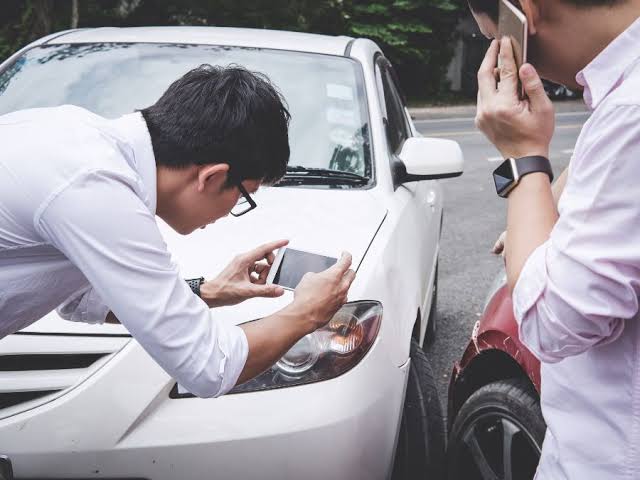
A fender bender may leave behind little more than a dent, scratch, or damaged bumper, but the steps taken afterward can affect how the vehicle damage is handled. Drivers should document the collision, exchange information, notify the proper parties, and have the vehicle inspected before deciding how to pay for repairs. Understanding what happens after a fender bender can help you make informed decisions and avoid problems when dealing with repairs or an insurance claim.
Start by Checking for Injuries
Vehicle damage should not be the first concern after a collision. Check yourself, your passengers, and anyone in the other vehicle for injuries. Even when the impact seems minor, some injuries may not become noticeable right away.
If someone needs immediate medical attention, contact emergency services. If the vehicles can be moved safely, get them out of active traffic and turn on hazard lights when appropriate.
Once everyone is safe, you can focus on documenting the damage and gathering information. The National Association of Insurance Commissioners’ guidance on filing an auto claim recommends exchanging information with the other driver and documenting details about the collision.
Document All Visible Vehicle Damage
Take photographs before either vehicle is repaired or moved for extensive work. Capture the damaged areas from several angles and take wider photos showing where the vehicles were positioned.
Useful photographs can include:
● Front and rear views of each vehicle
● Close-ups of dents, scratches, broken lights, and damaged bumpers
● License plates
● Damage to wheels or tires
● The surrounding roadway or parking area
● Debris or other objects involved in the collision
● Traffic signs, signals, or other relevant conditions
Photos can provide a record of the vehicle’s condition immediately after the collision. NHTSA crash investigations similarly document crash scenes and vehicle damage through photographs, measurements, and other physical evidence. NHTSA crash investigation information provides additional context on how vehicle and scene evidence can be documented after a crash.
Do not assume that a small visible dent represents the full extent of the damage.
Look for Hidden Damage
Modern vehicles contain sensors, cameras, electronic systems, and structural components that may be affected by an impact even when the exterior looks fine.
A damaged bumper, for example, may hide problems with components behind the bumper cover. A collision can also affect alignment, suspension parts, lights, cooling components, or safety systems.
This is one reason it can be useful to have the vehicle inspected by a qualified repair professional before agreeing that the damage is minor.
If the steering feels different, the vehicle pulls to one side, warning lights appear, fluids are leaking, or unusual sounds develop, avoid continuing to drive until the vehicle has been checked.
Exchange Information With the Other Driver
After a safe and minor collision, exchange identifying and insurance information with the other driver. This generally includes names, contact information, insurance details, vehicle information, and license plate numbers.
Remain calm and keep the conversation focused on the facts. Avoid arguing about who caused the crash at the scene. Do not make promises about paying for repairs before you understand the full extent of the damage.
If witnesses saw the collision, ask for their names and contact information when it is safe to do so. An independent account may become useful if the drivers later provide different versions of what happened.
Notify Your Insurance Company
Review your insurance policy and determine what it requires after a collision. Some policies require prompt notice even when the damage appears minor.
Contacting an insurer does not necessarily mean you must accept a particular repair estimate or settlement. It gives you an opportunity to report the incident and learn how your coverage may apply.
Keep copies of claim numbers, estimates, photographs, emails, and other communications related to the damage.
Get a Written Repair Estimate
Before authorizing repairs, obtain a detailed written estimate. It should identify the work needed, parts involved, labor charges, and other expected costs.
If different repair shops provide significantly different estimates, ask why. One estimate may account for damage that another inspection did not identify.
You should also ask whether the proposed repair includes inspection of components that may have been affected behind the visible damage.
Do not rely only on an initial visual assessment if the collision was strong enough to raise concerns about mechanical or structural damage.
Understand How the Insurance Claim May Work
The process for handling vehicle damage depends on the insurance policies involved, the circumstances of the collision, and who is determined to be responsible.
An insurer may inspect the vehicle, review photographs, consider repair estimates, and investigate the circumstances of the crash. The insurer may also ask for additional documentation.
The NAIC’s auto insurance guidance explains that collision coverage generally applies to damage caused by a collision, while liability coverage can address property damage caused to others.
Keep your records organized. A clear timeline can make it easier to explain when the collision occurred, when the damage was inspected, what repairs were recommended, and what expenses were incurred.
Do not assume that an early estimate is the final cost. Additional damage may be discovered after the vehicle is disassembled.
Be Careful With Quick Cash Settlements
After a minor crash, the other driver may offer to pay for the damage directly. While this may appear simple, it can create problems if the repair turns out to cost more than expected.
A bumper that looks lightly damaged may contain broken clips, sensors, brackets, or other components that are not visible from the outside.
Before agreeing to a private payment, consider getting a professional inspection and understanding the full repair cost. Also consider whether there may be injuries or other losses that have not yet become apparent.
A quick agreement may not fully address the consequences of the collision.
Keep Track of Additional Expenses
Vehicle repairs are not always the only financial effect of a fender bender. Depending on the circumstances, you may have expenses related to towing, temporary transportation, storage, repairs, or other services.
Save receipts and other records connected to the collision.
If your vehicle cannot be driven safely, arrange transportation through the appropriate insurance coverage or another available option. Ask questions before agreeing to charges that you expect another party or insurer to cover.
Good records can make it easier to establish what you actually spent because of the collision.
Do Not Ignore New Problems After Repairs
Sometimes a vehicle appears to be repaired but develops problems later. Pay attention to changes in handling, braking, steering, tire wear, warning lights, unusual noises, or electronic systems.
If a new problem appears, contact the repair shop promptly and explain when you first noticed it. Keep copies of repair orders and inspection reports.
You can also obtain a second opinion if you are unsure whether the vehicle was properly repaired.
The goal is not simply to make the vehicle look normal. Repairs should address damage that affects its safe operation.
When Vehicle Damage May Become a Legal Issue
Most minor collisions are handled through insurance and repair processes. However, legal questions may arise when there is a dispute about responsibility, significant vehicle damage, injuries, an uninsured driver, or disagreement over the amount of compensation available.
A seemingly minor crash can also become more complicated when the other driver denies causing the collision or provides inaccurate information to an insurer.
In these situations, photographs, witness information, repair estimates, medical records, and other documentation may become important.
If the collision caused an injury or a substantial financial loss, speaking with an attorney can help you understand your options before accepting a settlement or signing documents that could affect your rights.
Take a Careful Approach After a Fender Bender
A fender bender may not seem serious, but rushing through the next steps can create unnecessary problems. Safety should come first, followed by careful documentation, information exchange, vehicle inspection, and timely communication with the appropriate insurance company.
Do not judge the seriousness of vehicle damage only by what you can see. Hidden mechanical or structural problems can increase repair costs, and delayed symptoms can change the nature of a seemingly minor collision.
By keeping detailed records, obtaining a proper inspection, and understanding the insurance process, you can make better decisions about repairing your vehicle and protecting your interests after a fender bender.
