

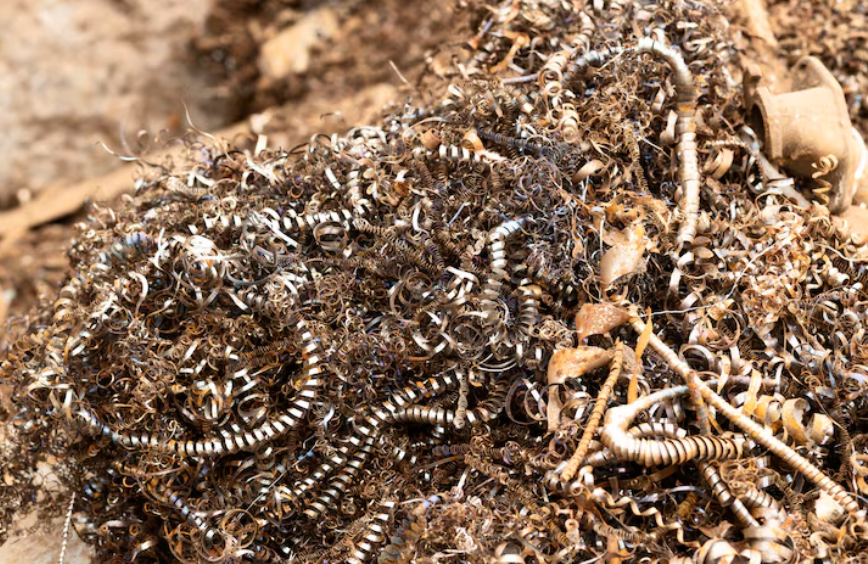
Selling scrap metal can be a lucrative way to declutter your space and contribute positively to the environment. With the increasing demand for recycled materials, knowing how to maximise cash for scrap metal is essential for anyone looking to convert waste into wealth.
Understanding Scrap Metal
Scrap metal refers to any metal that is no longer in use and can be recycled or repurposed. Common types include aluminium, copper, steel, brass, and iron. Each type of metal has different values, and understanding these can help you get better returns.
Types of Scrap Metal
Aluminium is lightweight and commonly found in beverage cans and window frames. Copper, known for its conductivity, is often sourced from electrical wires and plumbing pipes. Steel is widely used in construction and can be found in many household appliances. Brass, a combination of copper and zinc, is commonly found in fixtures and fittings.
Identifying Valuable Scrap
Identification of valuable scrap is crucial for maximising your earnings. Use a magnet to differentiate between ferrous and non-ferrous metals; non-ferrous metals like copper and aluminium are generally more valuable as they do not corrode easily.
Preparing Your Scrap for Sale
Proper preparation can significantly affect your earnings. Ensure that your metals are clean and free from contaminants. Separate them according to type to get the best price from dealers.
Cleaning and Sorting
Cleaning involves removing dirt, plastic, or any form of material that might not be metal. Sorting by type and purity is also crucial as mixed metals often fetch lower prices.
Finding the Right Buyer
Locating a reputable scrap metal dealer can make a big difference in the returns you get. Research local scrap yards and compare prices. Choose those that offer competitive rates and reliable services.
Researching Dealers
Consider checking online reviews and asking for recommendations from others who have sold scrap metal successfully. This can give insights into which scrap yards provide the best service.
Negotiating the Best Price
Negotiation is key in the scrap metal business. Be well-informed about current market prices and the value of your metals to ensure you get the best deal possible.
Market Trends
Stay updated on market trends to understand when it might be more profitable to sell. The metal market can be volatile, with prices changing frequently based on demand and supply factors globally.
Environmental Benefits
Recycling scrap metal not only provides financial gains but also benefits the environment by reducing landfill waste and conserving natural resources. This adds an ethical dimension to the financial incentives.
Regulations and Compliance
Ensure that your transactions comply with local regulations. Some areas have strict guidelines about buying and selling scrap metal to prevent theft and illegal trade.
Licensing and Documentation
Deal with licensed scrap dealers and keep meticulous records of your transactions. This can help you avoid legal issues and ensures a lawful process.
Conclusion
Maximizing your earnings from scrap metal involves knowledge, preparation, and a bit of strategy. By understanding the types of scrap metal, knowing how to prepare them, finding the right buyers, and keeping an eye on market trends, you can turn this endeavour into a profitable venture while also playing a part in environmental conservation.