

A roof problem rarely arrives at a convenient time. One day it is a small ceiling stain, a few missing shingles, or granules collecting near the downspout; the next, it becomes a decision about whether another repair is enough or a full replacement is the smarter long-term move.
Why Dallas Roofs Wear Out Faster Than Expected
Dallas homes face a tough mix of heat, wind, hail, heavy rain, and sudden temperature swings. Even a well-installed roof can gradually lose performance as shingles dry out, flashing loosens, and ventilation problems trap heat in the attic.
The challenge is that roof damage is not always obvious from the ground. A roof may look acceptable while still having weak spots around vents, valleys, chimneys, or decking. That is why homeowners should treat recurring issues as signals, not isolated inconveniences.
Signs a Repair May Not Be Enough
A single missing shingle after a storm may be repairable. However, repeated issues often point to a larger system problem.
Common warning signs include:
- Multiple leaks in different areas
- Shingles that are curling, cracking, or shedding granules
- Soft spots or sagging sections
- Water stains that return after repairs
- Storm damage across several roof slopes
- Rising indoor temperatures due to poor roof performance
- Frequent calls for patchwork repairs
When these signs appear together, repairs may only delay the inevitable.
The Real Cost of “One More Repair”
Many homeowners choose repairs because they seem less expensive upfront. That can make sense when the roof is still in good condition overall. But when the roof is near the end of its service life, repeated repairs can become inefficient.
There are three costs to consider:
1. The direct repair cost
Small repair invoices can add up quickly over several seasons.
2. The hidden damage cost
Water intrusion can affect insulation, drywall, framing, and indoor comfort before it becomes visible.
3. The timing cost
Waiting too long can turn a planned replacement into an urgent project after a storm.
This does not mean every roof issue requires replacement. It means the decision should be based on the roof’s overall condition, not just the latest visible problem.
What to Review Before Choosing Replacement
Before committing to a new roof, homeowners should ask for a clear inspection and explanation. A trustworthy roofing assessment should cover the condition of shingles, flashing, underlayment, roof decking, attic ventilation, gutters, and storm-related damage.
It also helps to ask:
- Is the damage isolated or widespread?
- How old is the current roof?
- Are previous repairs still holding?
- Are there ventilation or drainage problems?
- Would replacement reduce future repair needs?
- What material options fit the home and climate?
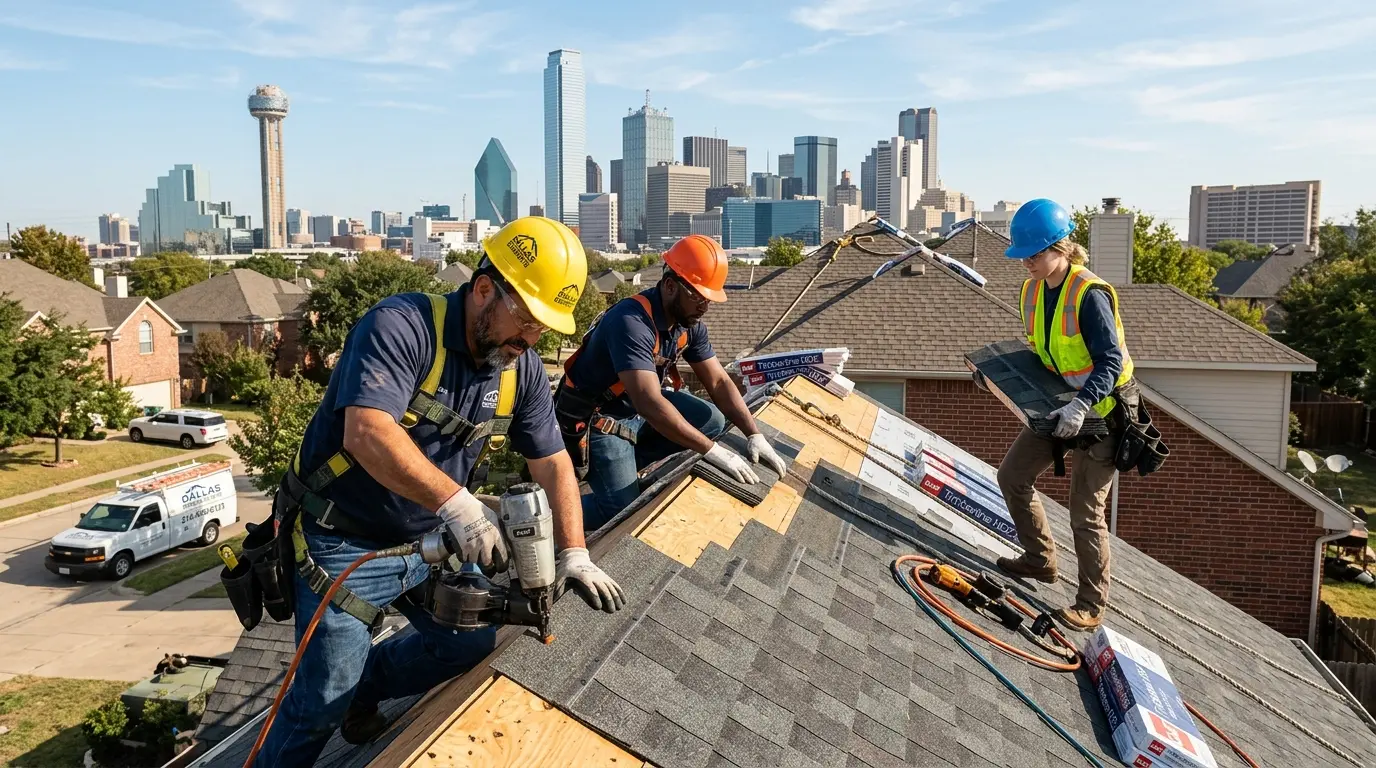
For homeowners comparing options, working withDallas roof replacement experts can provide useful context on inspections, storm damage, materials, and replacement planning in North Texas.
Choosing Materials for Long-Term Performance
Dallas homeowners should think beyond color and curb appeal. Roofing materials should be selected for durability, weather resistance, ventilation compatibility, and the home’s overall structure.
Asphalt shingles remain popular because they balance performance, appearance, and cost. Impact-resistant shingles may be worth considering in storm-prone areas. Metal roofing can offer strong longevity for certain homes, while low-slope or commercial properties may require specialized systems.
The best material is not always the most expensive one. It is the one that fits the roof design, budget, neighborhood conditions, and long-term maintenance expectations.
Preparing for a Smoother Roof Replacement
A roof replacement is a major home project, but planning makes it easier. Homeowners should confirm the project scope, timeline, cleanup process, warranty details, and how unexpected decking issues will be handled.
Before work begins, move vehicles away from the driveway, protect fragile items in the attic, trim back nearby branches if needed, and let neighbors know there may be temporary noise. After installation, review the finished roof, cleanup, ventilation components, flashing, and warranty paperwork.
Conclusion
Roof repairs are useful when damage is limited and the roof still has reliable life left. But when leaks, storm damage, aging materials, and repeated service calls begin to overlap, replacement may offer better protection and peace of mind.
For Dallas homeowners, the key is to act before a small roofing concern becomes interior damage. A careful inspection, honest explanation, and climate-appropriate material plan can make the decision clearer and help protect the home for years to come.
