

There is a quote from Peter Thiel that tends to get cited and then forgotten. Poor distribution, not product, is the number one cause of startup failure. Founders hear it, nod, and return to obsessing about their product. The product does matter. Nobody is arguing otherwise. But the consistent failure to take distribution as seriously as product is one of the most expensive recurring mistakes in the startup ecosystem, and it shows up across industries, business models, and founder types.
The founders who get this right early tend to build very differently from the ones who figure it out late, and the differences compound over time in ways that are difficult to close once established.
Understanding What Distribution Actually Means
Distribution is often conflated with marketing or sales. It is broader than either. Distribution is the answer to a fundamental question: how does your product get from where it is to the people who need it? This encompasses the channels through which you reach potential customers, the mechanics by which they hear about you, and the level of friction involved in moving from first contact to active user.
The best distribution strategies are not just efficient. They are defensible. When your distribution channel is something that competitors cannot easily replicate, you have built something that protects your market position over time. A proprietary community, a deep integration into an existing ecosystem, a go-to-market motion tied to specific expertise, all of these can function as distribution moats that are genuinely hard to displace.
The Build Trap
Most technically oriented founders fall into what could reasonably be called the build trap: the belief that if the product is good enough, distribution will take care of itself. This is almost never true. The world is full of exceptional products that failed because the founders did not figure out how to get them in front of the right people at the right moment.
The antidote is treating distribution as a design constraint from day one, not an afterthought. How you plan to reach your first hundred customers should influence how you build your product. The places where your ideal customers already spend time should shape your content strategy. The language your best customers use to describe their problem should become the language you use in your onboarding and your marketing. These connections between product and distribution do not happen automatically. They require intentional design.
When Distribution Gets Built Into the Product
Some of the most successful products of the past decade are successful in large part because distribution is built into the product design. Slack spread through organizations because adding one person to a workspace creates natural pressure to add more. Dropbox grew because the act of sharing a file was itself a referral mechanism. These are not accidents. They are distribution strategies embedded into the product interaction.
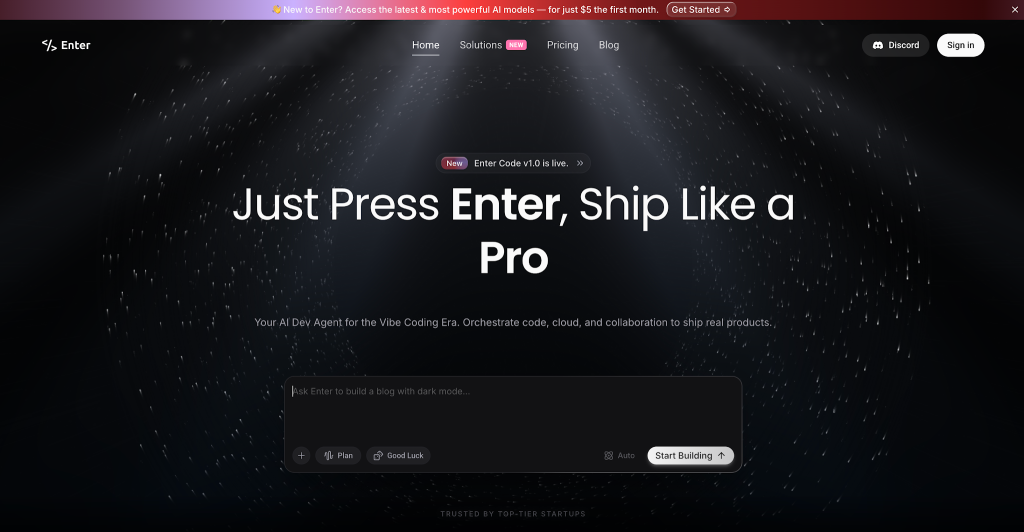
When you build with Enter Pro, the question worth asking at each product decision point is whether the design of this feature creates natural opportunities for sharing, referral, or expansion. A feature that makes it easy for one user to bring in a colleague is not just a convenience. It is a distribution engine that works at the moment of highest user engagement.
The Channel Concentration Risk
On the opposite side of the distribution problem is the mistake of over-relying on a single channel. A startup that has built its entire customer acquisition model around one source, whether that is paid social, SEO, outbound sales, or word of mouth, is one change away from a serious problem. Algorithms change. Search rankings shift. Economic conditions affect sales cycles. The channel that worked last year may not work next year.
Diversification in distribution is not just risk management. It is market intelligence. Understanding how different channels perform, which customers they attract, what their economics look like, gives you a richer picture of your market than any single-channel approach can provide. That intelligence is valuable for product decisions, pricing decisions, and long-term strategy.
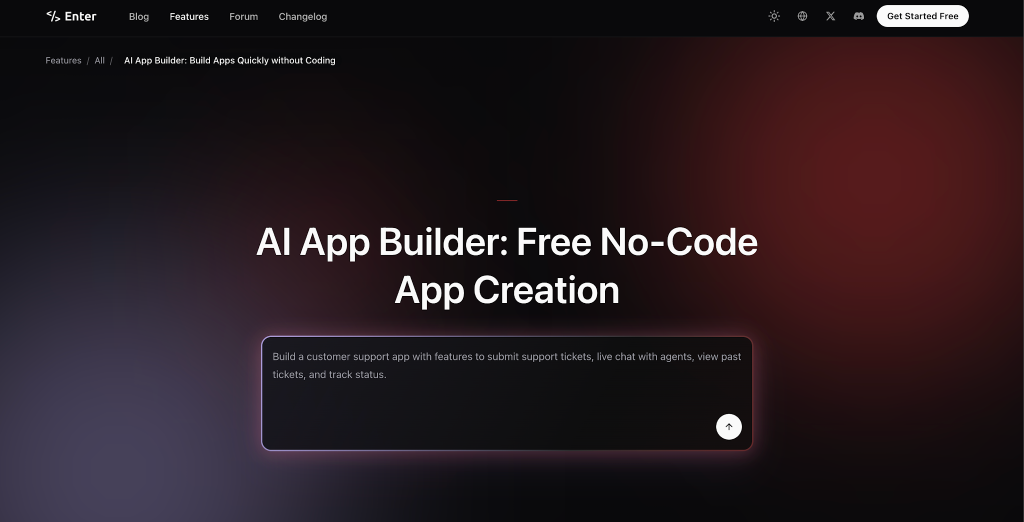
Using an AI app builder to think through how your product serves different channels, which features make it shareable, which make it easy to recommend, which make it visible in the places your customers spend time, is part of building a distribution-aware product rather than a distribution-naive one.
The Founder as a Distribution Asset
One of the most underused distribution advantages available to founders is their own credibility and visibility. A founder who is publicly known for deep expertise in a specific domain, who writes clearly about the problems their customers face, who engages visibly in the communities their customers inhabit, has a distribution asset that money cannot easily replicate.
This does not require a large social following. A founder with genuine credibility in a specific professional community of five hundred people has more useful distribution advantage than a founder with ten thousand generic followers. The question is whether they are investing in that credibility or assuming the product will do the work of reaching people on their behalf.
The product never does the work alone. Distribution requires deliberate, sustained attention. And the founders who treat it with the same seriousness they treat product development tend to build companies that last.
The distribution insight that often takes founders longest to internalize is that it requires sustained attention, not just initial setup. A channel that works in month one requires continued investment to keep working in month twelve. The communities that refer customers need to be genuinely served, not just posted in. The content that ranks needs to be updated and expanded as the market evolves. Distribution is not a project with a finish line. It is an ongoing operation that either stays funded with attention or gradually stops working.
The founders who build the most durable distribution advantages are also usually the ones who invested in distribution before they needed it. The community built before the product launched had members when the product went live. The newsletter started before there was a product to promote had subscribers ready to receive the launch announcement. The professional relationships cultivated before there was a deal to close were warm enough to move quickly when the opportunity appeared. Distribution built in advance compounds in a way that distribution chased at the moment of need never quite does.