

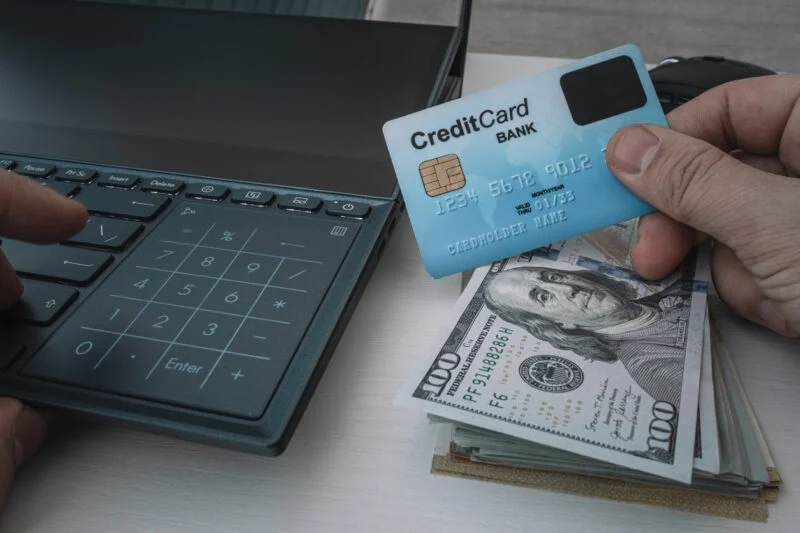
In the modern digital economy, credit and debit cards are more than just payment tools—they are gateways to online commerce, subscriptions, and global transactions. With the increasing reliance on electronic bclub payments, the protection and management of financial information have become more critical than ever. At the same time, underground networks have emerged that trade in stolen card data, often marketed with phrases like “Your Search for Premium Cards Ends at BClub.tk.”
Understanding what such phrases mean, the context behind these marketplaces, and the risks associated with them is essential for both individuals and organizations seeking to protect their financial security. This article explores the concept of card marketplaces, the terminology involved, and practical ways to safeguard your financial information in the digital age.
The Role of Credit and Debit Cards in the Digital Economy
Over the past decade, online payments have transformed the way people shop and manage money. Digital transactions allow consumers to purchase products, pay bills, book travel, and subscribe to services quickly and securely. Businesses benefit as well, gaining access to global markets and enabling customers to complete purchases without physical limitations.
As the use of electronic payments grows, however, it has also drawn the attention of cybercriminals who attempt to exploit vulnerabilities in card-based payment systems. The emergence of underground marketplaces is one result, where stolen card information is sold to individuals seeking to commit fraud. The phrase “Your Search for Premium Cards Ends at BClub.tk” is part of the marketing language often used in these communities to suggest access to high-quality stolen card data.
What Are Underground Card Marketplaces?
An underground card marketplace is an online platform where stolen financial data is bought and sold. These marketplaces often operate in hidden areas of the internet, use encrypted communication channels, and may require invitations to join.
In these marketplaces, sellers offer payment card data that includes:
- Card numbers
- Expiration dates
- Cardholder names
- Security codes (CVV2)
- Billing addresses
Promotional phrases such as “premium cards” are designed to create a perception of high-quality data that is more likely to work in fraudulent transactions. While such descriptions may appear attractive to buyers in underground communities, participating in these markets is illegal and carries significant risks.
Understanding Dumps and CVV2
Two key terms frequently associated with underground card marketplaces are dumps and CVV2.
Dumps refer to raw data obtained from the magnetic stripe of a credit or debit card. This information can be acquired through methods such as:
- Skimming devices placed on ATMs or payment terminals
- Malware installed on point-of-sale systems
- Data breaches that expose payment databases
Once obtained, dump data can be encoded onto blank cards, creating clones that can be used for unauthorized transactions.
CVV2 stands for Card Verification Value 2, a three-digit (or four-digit for some cards) security code printed on the card. It is commonly used to verify online transactions where the physical card is not present. When CVV2 information is compromised along with the card number and other personal details, it can facilitate unauthorized online purchases.
The combination of dumps and CVV2 data makes the card information more valuable to cybercriminals, and these terms are often highlighted in marketing language for illegal marketplaces.
How Marketplaces Like BClub.tk Operate
Platforms advertised with phrases such as “Your Search for Premium Cards Ends at BClub.tk” are often structured like legitimate e-commerce websites, but they operate outside the law. Common features of these marketplaces include:
User Accounts
Members may create accounts to browse card listings, track purchases, and manage balances.
Search and Filter Options
Buyers can filter card listings by country, issuing bank, or card type, creating the illusion of a professional marketplace.
Cryptocurrency Transactions
Digital currencies are often used to reduce the traceability of payments and maintain anonymity.
Seller Ratings
Some platforms include bclub.tk feedback systems where buyers rate sellers, adding credibility to listings.
Despite these features, underground marketplaces are inherently unstable. Many disappear suddenly due to law enforcement actions, internal scams, or technical failures.
The Risks of Participating in Underground Card Markets
Engaging with platforms that sell stolen card data can have severe consequences for individuals and organizations:
Financial Loss
Unauthorized use of card information can lead to monetary losses. While banks often reimburse fraudulent transactions, the process is stressful and time-consuming.
Identity Theft
Stolen financial data is often combined with personal information, allowing criminals to commit identity theft, open fraudulent accounts, or take out loans.
Legal Consequences
Purchasing or using stolen card data is a criminal offense in most jurisdictions. Individuals caught participating in these activities may face prosecution and imprisonment.
Business Damage
Organizations that experience data breaches or become associated with financial fraud can face significant reputational damage, regulatory penalties, and loss of customer trust.
The Importance of Cybersecurity Awareness
Understanding phrases like “Your Search for Premium Cards Ends at BClub.tk” is important because they reflect the language and tactics used in cybercrime communities. By recognizing these terms, individuals and businesses can better identify potential threats and take action to protect their financial information.
Cybersecurity awareness helps in:
- Detecting suspicious activities early
- Avoiding participation in illegal marketplaces
- Protecting personal and business data from exploitation
- Strengthening overall digital security practices
Education and vigilance remain the most effective defenses against financial cybercrime.
How to Protect Your Payment Information
While institutions play a major role in protecting cardholders, individuals can take proactive measures to safeguard their financial data:
Monitor Accounts Regularly
Frequent review of bank and credit card statements can help detect unauthorized transactions quickly.
Use Secure Websites
Only enter payment information on HTTPS-secured websites with verified reputations.
Enable Transaction Alerts
Many banks allow users to receive instant notifications for card usage, enabling quick detection of suspicious activity.
Practice Caution with ATMs and POS Terminals
Check for signs of tampering or skimming devices on physical payment terminals.
Avoid Sharing Sensitive Information Online
Be cautious with emails, messages, or websites requesting card information.
The Role of Financial Institutions and Law Enforcement
Financial institutions, cybersecurity experts, and law enforcement agencies play a critical role in combating card fraud. Some key measures include:
EMV Chip Technology
Chip-enabled cards are significantly harder to clone than traditional magnetic stripe cards.
Fraud Detection Systems
Banks use advanced analytics to detect unusual transaction patterns in real time.
Tokenization
Payment processors may replace sensitive card numbers with secure digital tokens, reducing the risk of exposure.
Global Cooperation
International law enforcement agencies work together to track and dismantle criminal networks involved in cybercrime.
These efforts, combined with individual vigilance, are essential in reducing the impact of financial fraud.
Conclusion
The phrase “Your Search for Premium Cards Ends at BClub.tk” reflects promotional language often used in underground marketplaces that trade stolen financial data. While such platforms may appear organized and professional, they operate within illegal networks that carry serious risks for individuals, businesses, and the financial system.
Understanding the nature of these platforms, the terminology used, and the potential consequences is crucial for protecting personal and business financial information. Individuals should focus on cybersecurity awareness, safe online practices, and vigilance when managing digital payments.
As the digital economy continues to expand, responsible behavior, education, and collaboration between users and institutions remain the most effective tools in preventing fraud and maintaining trust in modern financial systems.