

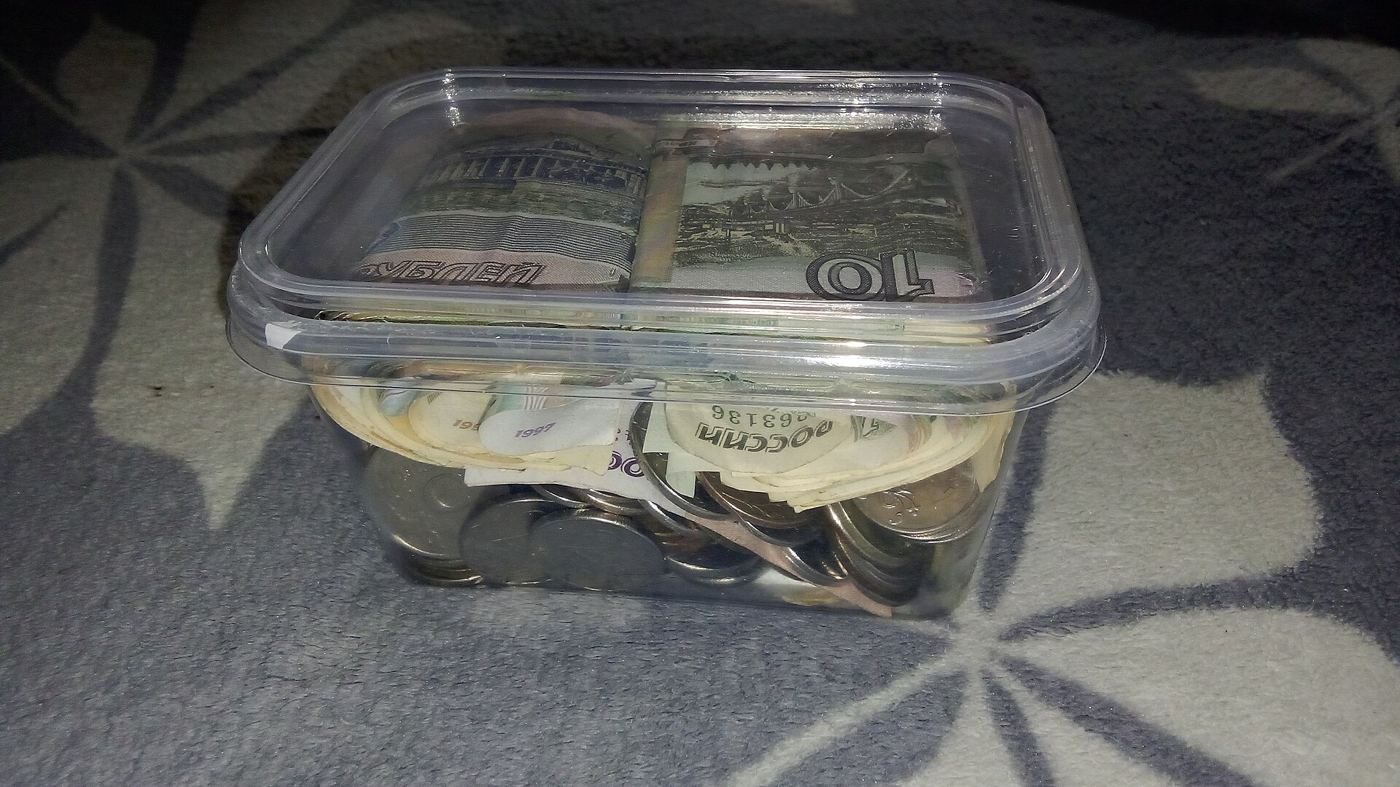
More households are setting aside a dedicated emergency fund this autumn, aiming to hold three months of essential spending before winter energy and food bills climb higher. Advisers say the target feels more achievable when it is broken into stages, starting with a smaller buffer for urgent repairs and then building steadily through automatic transfers on payday. Keeping the money in a separate, easy access account helps prevent everyday spending from quietly eroding the reserve, while still allowing quick withdrawals when a boiler fails or working hours are cut. Families are also reviewing direct debits and cancelling unused subscriptions to free up modest monthly amounts. The habit matters because unexpected costs otherwise tend to land on credit cards, where interest can turn a short term problem into a longer debt. A visible, growing balance also reduces anxiety, giving people a clearer sense of control during an uncertain season.
What the Evidence Shows
Financial counsellors recommend reviewing the fund whenever income, rent or caring responsibilities change, rather than treating the original target as fixed forever. Households with irregular earnings may prefer a larger cushion, while those with stable salaries and strong insurance cover may need less. What counts as essential spending should be honest and specific, covering housing, utilities, food, transport and minimum debt payments rather than a full normal lifestyle. Reviewing statements after three months often reveals leaks, such as duplicate cover or forgotten trial subscriptions, that can be redirected into savings without painful cuts. Experts caution against investing an emergency fund in volatile assets, since the money may be needed at exactly the moment markets fall. Once the three month goal is reached, additional savings can be directed towards longer term goals such as pensions, home improvements or education, with the safety net already firmly in place underneath those plans. Reporting and analysis from sources such as Financial Times track the same developments, and specialists following building a three month emergency fund say the direction is now consistent across independent lines of evidence.
The Wider Context
The wider context is a financial system repricing risk after a long era of cheap money. Decisions shaped by building a three month emergency fund are being made under closer supervisory attention, with stress tests and disclosure rules that assume conditions can worsen quickly. Institutions that planned for the benign case are adjusting in public, which is uncomfortable and healthy in equal measure.
What Happens Next
What happens next with building a three month emergency fund will be visible first in the data that professionals watch weekly: flows, spreads and the terms on new deals. Participants who spoke for this article expect a period of adjustment rather than drama, with the biggest effects landing on those who assumed the old conditions were permanent. Planning, as ever, is the cheapest hedge. You can follow related developments in our coverage of finance.
None of this will be settled by a single announcement, study or product launch. The pattern to watch is accumulation: independent confirmations, honest reporting of failures and steady improvement in the underlying numbers. Readers who follow those signals, rather than the loudest claim of the week, will understand this subject better than most of the commentary surrounding it suggests is possible.
