

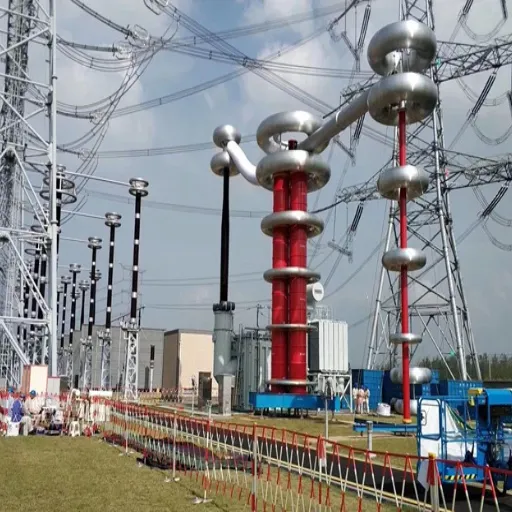
Modern imaging technologies rely heavily on precision, stability, and consistent performance. Whether used in medical diagnostics, industrial inspection, or scientific research, imaging systems require highly reliable components to deliver accurate results. At the heart of these systems lies advanced electrical engineering that ensures stable energy output and safe operation.
The demand for high-voltage X-ray source manufacturers has increased significantly as industries require more precise imaging solutions. These manufacturers play a critical role in developing systems that ensure accuracy, durability, and efficiency. As imaging technologies evolve, the need for stable high-voltage systems becomes even more essential in achieving superior image quality and operational reliability.
Advancing Imaging Precision with High Voltage X-Ray Source Manufacturers in Modern Technology
The role of high-voltage X-ray source manufacturers is crucial in ensuring accuracy and stability in imaging systems. These manufacturers develop advanced components that support high-performance diagnostic and industrial imaging applications.
1. Ensuring Stable High-Voltage Output
Stable voltage output is essential for producing clear and accurate imaging results. Manufacturers design systems that minimize fluctuations, ensuring consistent energy delivery. This stability improves image resolution and reduces distortion, making it essential for medical and industrial applications where precision is critical.
2. Enhancing Image Resolution and Quality
High-voltage systems directly impact image clarity. By maintaining consistent power levels, these systems enable sharper and more detailed imaging. This is especially important in medical diagnostics, where accurate visualization can influence critical decision-making and treatment planning.
3. Improving System Efficiency and Performance
Efficient high-voltage systems reduce energy loss and optimize performance. Manufacturers focus on designing components that maximize output while minimizing power consumption. This improves overall system efficiency and ensures long-term operational reliability.
4. Supporting Industrial and Medical Applications
High-voltage x-ray sources are widely used across industries, including healthcare, manufacturing, and security. These systems help detect defects, perform inspections, and support diagnostic imaging. Their versatility makes them essential in multiple sectors.
5. Ensuring Safety and Regulatory Compliance
Safety is a top priority in high-voltage system design. Manufacturers implement strict safety standards to ensure reliable operation. Compliance with global regulations ensures that systems are safe for both operators and end-users.
6. Advancing Technological Innovation
Continuous innovation drives the development of more advanced imaging systems. Manufacturers invest in research and development to improve performance, durability, and efficiency, contributing to the evolution of imaging technology.
Optimizing Performance Through High Voltage X-Ray Source Manufacturers for Industrial Excellence
Industrial imaging demands precision and reliability. The role of high-voltage X-ray source manufacturers is essential in delivering systems that meet the high standards required in industrial environments.
1. Precision Engineering for Industrial Use
Industrial applications require highly precise imaging systems. Manufacturers design components that deliver consistent results, ensuring accurate defect detection and quality control in manufacturing processes.
2. Durability in Harsh Environments
Industrial systems often operate in challenging conditions. High-voltage components are engineered to withstand extreme temperatures, vibrations, and environmental stress, ensuring long-lasting performance.
3. Real-Time Imaging Capabilities
Modern systems enable real-time imaging, allowing industries to make quick and informed decisions. This capability enhances productivity and reduces downtime in production environments.
4. Integration with Advanced Systems
High-voltage x-ray sources are designed to integrate seamlessly with modern imaging technologies. This compatibility enhances system efficiency and ensures smooth operation across platforms.
5. Cost Efficiency and Operational Savings
Efficient systems reduce maintenance costs and energy consumption. Manufacturers focus on creating solutions that offer long-term savings without compromising performance.
6. Scalability for Diverse Applications
High-voltage systems can be adapted for various industrial applications. This scalability ensures that they meet the needs of different industries, from electronics manufacturing to aerospace inspection.
Driving Innovation in Imaging Systems with Advanced Engineering and High Voltage Technology
Innovation in imaging technology depends on continuous advancements in high-voltage systems. These developments ensure improved performance, reliability, and accuracy in various applications.
1. Research-Driven Development
Manufacturers invest heavily in research to improve system performance. This leads to the development of more efficient and reliable imaging solutions.
2. Integration of Smart Technologies
Modern systems incorporate smart technologies for better control and monitoring. This enhances precision and operational efficiency.
3. Enhanced Signal Stability
Stable signal output is crucial for high-quality imaging. Advanced systems ensure minimal interference and consistent performance.
4. Reduced System Downtime
Improved engineering reduces the likelihood of system failures, ensuring continuous operation and minimizing downtime in critical applications.
5. Improved Energy Management
Efficient energy use is a key focus in modern systems. Optimized power management reduces operational costs and improves sustainability.
6. Future-Ready Imaging Solutions
Continuous innovation ensures that systems remain adaptable to future technological advancements, supporting long-term usability and relevance.
Enhancing Reliability in Imaging Systems Through High Voltage Engineering Excellence
Reliability is a core requirement in imaging systems. Advanced engineering ensures that high-voltage components perform consistently under demanding conditions.
1. Robust System Design
Engineered for durability, modern systems are built to withstand continuous operation without performance degradation.
2. Precision Voltage Regulation
Accurate voltage control ensures stable imaging output, reducing errors and improving diagnostic accuracy.
3. Advanced Thermal Management
Effective cooling systems prevent overheating, ensuring safe and stable operation of high-voltage components.
4. Long-Term Operational Stability
Reliable systems are designed for extended use, minimizing maintenance requirements and improving lifecycle performance.
5. Enhanced Diagnostic Accuracy
Stable imaging systems improve accuracy in diagnostics, enabling better analysis and decision-making in critical applications.
6. Seamless System Integration
Modern engineering ensures compatibility with existing imaging systems, allowing smooth upgrades and integration.
Final Thoughts
High-voltage technology continues to play a defining role in advancing imaging systems across industries. From improving resolution and stability to ensuring operational safety, these systems are essential for achieving precision and reliability in modern applications. As industries evolve, the demand for innovative and efficient imaging solutions continues to grow, driving further advancements in high-voltage engineering.
For organizations seeking advanced imaging solutions, high-voltage generator solution expertise is essential for achieving optimal performance and reliability. VJ X-Ray stands at the forefront of innovation, delivering high-quality systems designed for precision, durability, and efficiency. With a strong focus on engineering excellence and technological advancement, they provide solutions that empower industries to achieve superior imaging performance and long-term operational success.
