

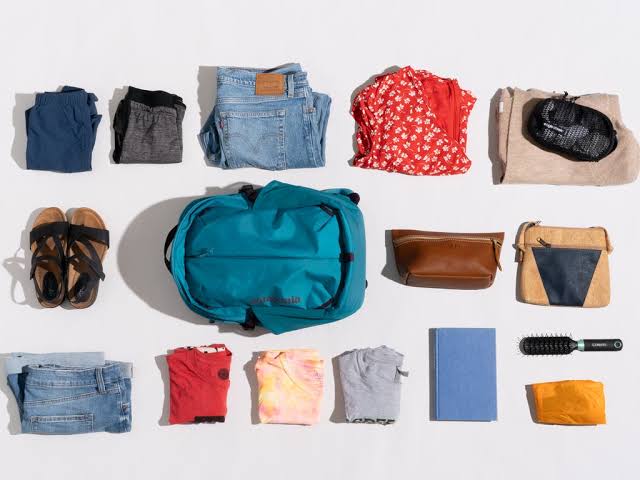
Packing for a short trip becomes easier when you plan complete outfits instead of collecting individual favorites. A bag full of appealing pieces can still leave you with awkward combinations, unnecessary duplicates, or no suitable layer for the evening. Begin with the itinerary and expected weather, then choose clothes that can take on more than one role. A compact travel wardrobe should support the trip while leaving enough room for the things you actually need to carry.
Plan around activities and transitions
List the main parts of the weekend: travel, walking, meals, and any activity with a particular dress requirement. Consider the transitions between them. An outfit that works for a long journey may need only a different outer layer for a casual dinner. Think about comfort when seated, practical pockets, and how easy it will be to adjust your outfit without returning to your accommodation.
When choosing a Corteiz item for the trip, evaluate it within those planned combinations. A favorite hoodie or pair of trousers is most useful when it works with several other pieces in the bag. Check the destination forecast and any venue requirements before deciding. The right travel choice is the one that suits your schedule and feels comfortable for the activities ahead.
Check practical details before choosing clothes for a particular stop. A venue may publish a dress policy, and an activity provider may specify equipment or suitable footwear. Use that information to adjust the plan. Do not assume that a generally versatile outfit will meet every requirement simply because the trip is short.
Travel comfort also includes access to essentials. Think about where you will keep your phone, tickets, and other items you need during the journey. Test pockets while seated, and avoid relying on a compartment that becomes difficult to reach beneath a seat belt or bag. Small decisions can make the trip less fussy.
Build combinations before packing
Lay out each proposed outfit with shoes and accessories included. Then look for repeated roles. If two jackets would serve exactly the same purpose, choose the one that works with more combinations. Keep an extra base layer when your plans or laundry access justify it, but distinguish a practical spare from something packed only because you cannot decide between several similar options.
A small shared palette can simplify these decisions. Choose trousers that work with each top, then add a layer that connects the different outfits. That does not mean everything must be neutral. A colorful piece can travel well if the remaining garments complement it. Photograph the combinations before packing so you can recreate them quickly when you are away from your usual wardrobe.
Consider what happens if one main item becomes unavailable after a spill or unexpected weather. You do not need a duplicate of every garment, but the remaining pieces should still form a workable outfit. A top that combines with both pairs of trousers is more helpful than an additional piece that matches only one.
Pack according to the outfits you have tested, then review the bag once more. If an item has no planned use, identify a realistic situation that would require it. Keep it when that situation is plausible and important. Otherwise, leaving it behind may make the rest of your packing easier to access.
Choose footwear and layers carefully
Footwear takes up space, so consider how many pairs your actual activities require. Prioritize a pair you already know is comfortable for the amount of walking planned. A trip is rarely the ideal setting to discover that unfamiliar shoes rub or feel unstable. If you need a separate pair for a specific setting, make sure that requirement is real before giving it space in the bag.
Choose layers that offer useful options across the forecast. A removable middle layer may be easier to manage than one heavy garment that feels excessive indoors. Check whether the outer layer provides the features you expect, rather than judging by appearance alone. Keep the layer you are most likely to need during the journey accessible instead of burying it beneath everything else.
Include the socks and other essentials that make the chosen shoes comfortable. A footwear plan can fail when those small pieces are forgotten. Similarly, consider whether your usual bag works with the layers you will wear. Try the full arrangement during a short walk before the trip if the combination is unfamiliar.
Be realistic about wearing your bulkiest pieces during travel. This can leave more room in a bag, but it only helps if the journey remains comfortable. Think about waiting areas, indoor temperatures, and where the garment will go if you remove it. A packing trick is useful only when it suits the actual journey.
Pack for the return journey too
Leave a little breathing room in the bag. Clothes may not fold as neatly after wear, and separating used items from clean ones can change how much space is available. A simple spare bag can help organize laundry. Keep small accessories together so they are easy to find, and place anything you may need in transit where it can be reached without unpacking.
After the trip, notice which items stayed untouched and which worked repeatedly. That small review is more useful than following a universal packing count. Your next weekend may need different pieces, but the method remains practical: plan for real activities, test the combinations, and bring clothes that earn their place through comfort and flexibility.
Keep clean and used items organized in a way that suits their condition. Follow care instructions and allow damp garments to dry when possible before storing them for longer periods. If something needs attention, make a note for your return. This helps prevent a small travel inconvenience from becoming an overlooked maintenance task.
Unpack with the next trip in mind. Put reusable travel accessories together and record any essentials you missed. If you packed several untouched options, note the activities they were intended for. You may discover that a particular trip required less variety than expected, or that your itinerary changed in a way worth anticipating.
Do one final outfit check
Before closing the bag, confirm that you have a complete arrival outfit, a comfortable travel combination, and the pieces needed for any specific activity. Check the weather again if your departure is near. Remove one unnecessary duplicate if it serves no clear purpose, and keep your most useful layer accessible. For more reading, explore Record Newswire.
