

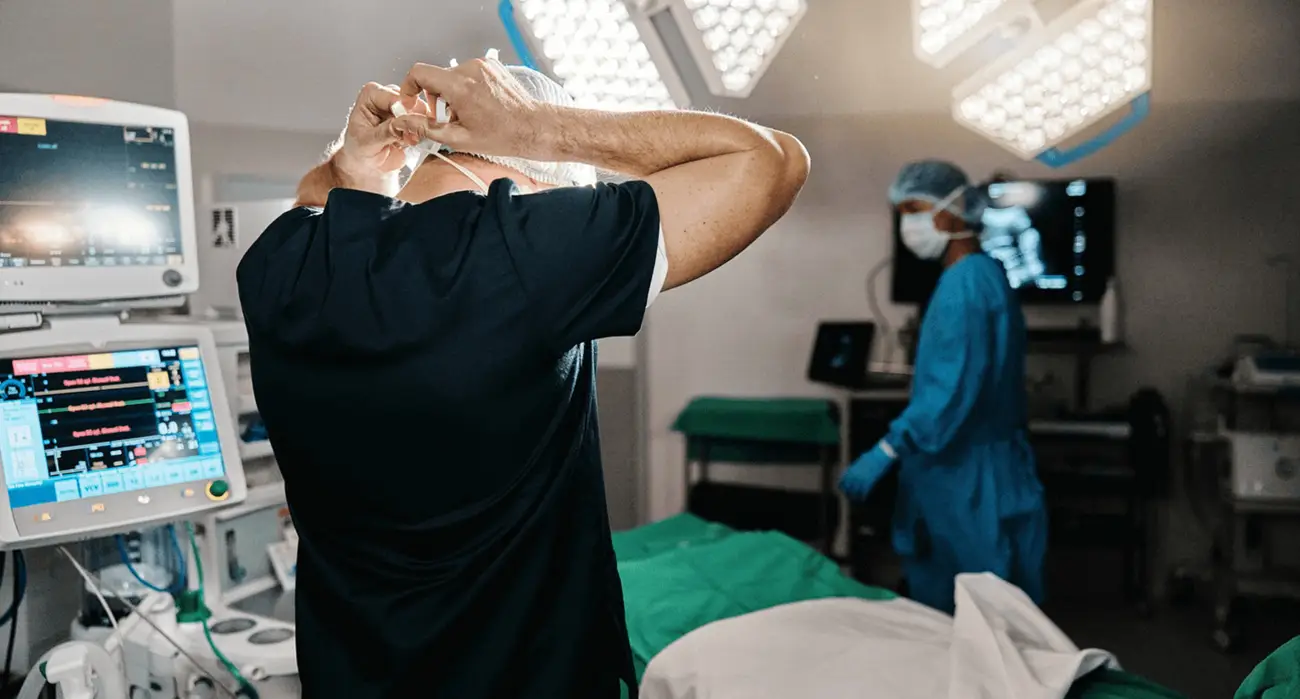
Living with back or neck pain can affect every part of daily life. Simple activities such as walking, working, exercising, or spending time with family can become difficult when a spine condition is causing discomfort. While many spine problems improve with conservative treatments, some complex conditions require the experience of a highly skilled specialist. Finding the Best Spine Surgeon in Los Angeles can help patients understand their condition, explore treatment options, and receive personalized care designed around their unique needs.
A spine surgeon does much more than perform surgery. A qualified specialist evaluates symptoms, reviews medical history, performs advanced diagnostic testing, and creates a complete treatment plan. Modern spine care focuses on accuracy, safety, and long-term improvement. The goal is not only to reduce pain but also to restore mobility, improve quality of life, and help patients return to their normal routines.
Complex spine conditions can involve bones, discs, nerves, muscles, and the spinal cord. Because the spine is a delicate structure, diagnosis and treatment require extensive knowledge and experience. Advanced imaging technology, minimally invasive procedures, and personalized rehabilitation programs have changed the way spine disorders are managed today.
Understanding Complex Spine Conditions and Their Causes
The spine is one of the most important structures in the human body. It supports movement, protects the spinal cord, and helps maintain balance. When something goes wrong within the spinal system, it can lead to pain, stiffness, weakness, numbness, or limited movement. Complex spine conditions often involve multiple factors, making accurate diagnosis essential.
Some common spine disorders include herniated discs, spinal stenosis, degenerative disc disease, scoliosis, spinal fractures, spinal deformities, and spinal tumors. Each condition affects the spine differently and may require a different approach to treatment. For example, a damaged spinal disc may put pressure on nearby nerves, causing pain that travels from the back into the arms or legs.
Degenerative changes are another major cause of spine problems. As people age, spinal discs may lose moisture and flexibility, which can reduce their ability to absorb stress. This natural process can lead to inflammation, nerve compression, and chronic discomfort. However, age is not the only factor. Injuries, genetics, poor posture, repetitive strain, and certain medical conditions can also contribute to spine problems.
The Best Spine Surgeon in Los Angeles understands that every patient’s symptoms have a different cause. Two people may experience similar back pain but require completely different treatments. One patient may benefit from physical therapy and medication, while another may need a surgical procedure to correct nerve compression or spinal instability.
A comprehensive evaluation helps determine the source of pain. A skilled spine specialist looks beyond symptoms and examines the complete picture, including lifestyle factors, previous treatments, physical limitations, and overall health. This patient-centered approach allows doctors to recommend solutions that match the individual’s needs.
Complex spine conditions can sometimes create emotional challenges as well. Chronic pain may affect sleep, work performance, and mental well-being. Effective spine care considers the whole person, not just the affected area. The right diagnosis is the first step toward creating a successful recovery plan.
How Advanced Diagnostic Methods Help Identify Spine Problems
Accurate diagnosis is the foundation of effective spine treatment. Before recommending any procedure, a spine specialist must understand exactly what is causing the problem. Modern diagnostic techniques allow surgeons to examine the spine in detail and identify issues that may not be visible through a basic physical examination.
The diagnostic process usually begins with a detailed consultation. During this appointment, the surgeon discusses symptoms, pain patterns, previous injuries, medical history, and daily activities. The doctor may ask questions about when the pain started, what makes it better or worse, and whether symptoms such as numbness or weakness are present.
A physical examination provides important information about movement, flexibility, reflexes, muscle strength, and nerve function. These tests help determine whether certain nerves are affected and how the condition may be impacting the body.
Imaging technology plays a major role in modern spine diagnosis. X-rays can show bone alignment, fractures, and changes in the structure of the spine. Magnetic resonance imaging, commonly known as MRI, provides detailed images of soft tissues, including discs, nerves, and the spinal cord. Computed tomography scans may offer additional information about bones and complex spinal structures.
In some cases, nerve testing may also be used. Electromyography and nerve conduction studies can help identify whether nerve damage or compression is contributing to symptoms. These tests can be especially useful when patients experience weakness, tingling, or radiating pain.
The Best Spine Surgeon in Los Angeles uses diagnostic results to create a clear understanding of the condition. Rather than focusing only on where the pain is felt, experienced surgeons investigate the underlying cause. This approach helps avoid unnecessary procedures and ensures that treatment decisions are based on accurate medical information.
Another important part of diagnosis is determining whether surgery is truly needed. Many spine conditions can improve through non-surgical methods such as physical therapy, targeted injections, medication management, and lifestyle adjustments. A responsible spine specialist considers all available options before recommending an operation.
When surgery is necessary, detailed diagnosis helps surgeons select the safest and most effective technique. Advanced planning allows doctors to understand the anatomy of the spine and prepare for potential challenges before the procedure begins.
Treatment Options Offered by Experienced Spine Specialists
Spine treatment has evolved significantly over the years. Today, patients have access to a wide range of options depending on the severity and type of their condition. The best treatment plan is one that addresses the cause of the problem while supporting long-term health and function.
Conservative treatments are often the first step for many spine conditions. Physical therapy can strengthen muscles, improve flexibility, and teach patients better movement habits. A structured exercise program may reduce pressure on the spine and help prevent future problems. Medications may also be used to manage inflammation and discomfort.
Some patients benefit from non-surgical procedures such as spinal injections. These treatments can reduce inflammation around irritated nerves and provide temporary or long-lasting pain relief. They may also help doctors confirm the source of pain by targeting specific areas of the spine.
When conservative treatments do not provide enough improvement, surgery may become an option. Modern spine surgery includes many advanced techniques designed to improve outcomes and reduce recovery time. Minimally invasive spine surgery uses smaller incisions and specialized instruments to limit damage to surrounding tissues.
Procedures such as spinal decompression may relieve pressure on nerves caused by conditions like spinal stenosis or herniated discs. Spinal fusion surgery may be used to stabilize sections of the spine affected by instability, severe degeneration, or certain deformities. Artificial disc replacement can help some patients maintain movement while treating damaged discs.
The Best Spine Surgeon in Los Angeles evaluates each case carefully before choosing a surgical approach. Factors such as age, health status, activity level, spinal condition, and personal goals all influence treatment decisions. A procedure that works well for one person may not be the right choice for another.
Patient education is also an important part of successful spine treatment. Understanding the condition and available options helps patients make confident decisions about their care. A trusted spine specialist explains the benefits, risks, expected recovery process, and possible outcomes of each treatment.
Successful treatment does not end when a procedure is completed. Rehabilitation and follow-up care are essential for achieving the best results. Physical therapy, gradual activity progression, and healthy lifestyle choices can support healing and help patients maintain a stronger spine.
The Importance of Experience, Technology, and Patient-Centered Care
Choosing a spine surgeon is an important decision because the spine requires specialized knowledge and precision. Experience matters when diagnosing complicated conditions and performing delicate procedures. A surgeon with advanced training understands the challenges involved in treating spinal disorders and can provide care based on current medical practices.
Technology has also transformed spine treatment. Navigation systems, advanced imaging, robotic assistance, and improved surgical instruments allow surgeons to perform procedures with greater accuracy. These tools help doctors plan treatments more effectively and improve patient safety.
However, technology alone is not enough. The skill and judgment of the surgeon remain critical. A highly trained specialist knows when advanced techniques are appropriate and when simpler treatments may provide better results. The best medical decisions combine experience, research, technology, and patient needs.
The Best Spine Surgeon in Los Angeles focuses on creating a strong relationship with each patient. Open communication allows patients to ask questions, understand their condition, and participate in treatment decisions. This approach builds trust and creates a more comfortable healthcare experience.
Patient-centered care also means considering the patient’s goals. Some individuals want to return to sports or physically demanding work, while others simply want to walk comfortably or complete daily activities without pain. Understanding these goals helps doctors create realistic treatment plans.
Recovery expectations are another important part of spine care. A knowledgeable surgeon explains what patients can expect before, during, and after treatment. This preparation helps reduce anxiety and encourages patients to follow recovery instructions.
Preventing future spine problems is also part of long-term care. Maintaining a healthy weight, practicing good posture, staying active, and using proper body mechanics can protect spinal health. Patients who receive guidance from experienced specialists often gain valuable knowledge about keeping their spine strong.
Preparing for Spine Treatment and Achieving Long-Term Results
Preparing for spine treatment involves more than scheduling a procedure. Patients should take an active role in their healthcare journey by understanding their diagnosis, discussing concerns, and following medical recommendations. Good preparation can improve confidence and support better outcomes.
Before treatment begins, patients usually receive detailed instructions from their healthcare team. These instructions may include medication guidelines, activity recommendations, and information about the recovery process. Following these steps helps create a safer treatment experience.
For surgical patients, preparation may include arranging transportation, planning time away from work, and organizing support at home during recovery. Having a clear recovery plan allows patients to focus on healing rather than daily responsibilities.
After treatment, rehabilitation becomes an important part of recovery. The spine needs time to heal, and patients must gradually rebuild strength and movement. Physical therapy programs are often designed to improve flexibility, stability, and function while protecting the treated area.
Long-term success depends on continued care and healthy habits. Patients who follow exercise recommendations, maintain proper posture, and attend follow-up appointments are more likely to experience lasting improvements. Spine health is a lifelong process that requires attention and commitment.
The decision to seek help from the Best Spine Surgeon in Los Angeles can be an important step for individuals dealing with complicated spine conditions. With proper diagnosis, advanced treatment options, and personalized care, many patients can achieve significant improvements in pain relief and mobility.
Modern spine care offers hope for people who have struggled with chronic discomfort or limited movement. By combining medical expertise, advanced technology, and compassionate treatment, experienced spine specialists help patients move toward a healthier and more active future.
Conclusion
Complex spine conditions require careful evaluation, advanced knowledge, and personalized treatment strategies. The journey begins with an accurate diagnosis that identifies the true source of pain and guides the right approach to care. Whether treatment involves physical therapy, non-surgical options, or advanced spine surgery, choosing an experienced specialist can make a meaningful difference.
The Best Spine Surgeon in Los Angeles provides patients with the expertise needed to manage challenging spinal disorders while focusing on safety, comfort, and long-term results. Through modern techniques, patient education, and comprehensive care, spine specialists continue to help individuals regain movement, reduce pain, and improve their quality of life.
