

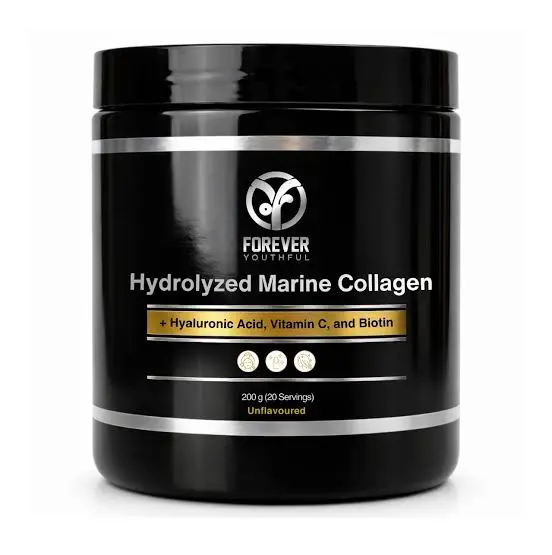
Collagen supplements have become a fixture in wellness routines around the world, but not all collagen is sourced the same way. Bovine, porcine, and marine collagen are the three most common types on the market, each derived from a different source and each with a slightly different amino acid profile. Marine collagen, sourced primarily from fish skin and scales, has become an increasingly popular choice among Australian shoppers looking for a lighter, more easily incorporated option.
Where Marine Collagen Comes From
Marine collagen is typically extracted from the skin and scales of fish, often as a by-product of the seafood industry, which makes it a relatively resource-efficient way to produce a usable protein supplement. This sourcing method distinguishes it from bovine collagen, which comes from cattle hide and connective tissue, and gives marine collagen a distinct amino acid composition, generally featuring a slightly higher concentration of glycine and proline.
Particle Size and Solubility
One of the most commonly cited advantages of marine collagen is its smaller peptide size compared with other collagen sources. This smaller molecular structure is generally considered easier for the digestive system to process, and it also means marine collagen tends to dissolve more completely in liquid, without the slight grittiness some other collagen powders can have. For anyone mixing collagen into cold drinks like water or juice rather than hot beverages, this solubility difference can be noticeable.
Sustainability Considerations
Because marine collagen is often produced from fish by-products that would otherwise go to waste, it’s frequently positioned as a more sustainable option within the collagen category. Shoppers who are conscious of sourcing and environmental impact often gravitate toward marine collagen for this reason, particularly when the product is transparent about where and how the fish were sourced.
Taste and Format
Unflavoured marine collagen powders are designed to blend into food and drink without noticeably altering taste, which is part of why they’ve become popular for everyday use. Stirred into a morning coffee, a smoothie, or a glass of water, a quality marine collagen powder should dissolve cleanly without leaving behind a strong fishy taste or odour — a common concern first-time buyers have, but one that well-processed products are generally designed to avoid.
Comparing Marine and Bovine Collagen
Neither marine nor bovine collagen is inherently superior; the choice often comes down to personal preference, dietary requirements, and specific priorities. Marine collagen is naturally suited to anyone avoiding beef products for dietary or religious reasons, while bovine collagen tends to be more widely available and often slightly more cost-effective. Some formulations even combine multiple collagen types to capture a broader range of amino acids.
What to Check Before Buying
When comparing marine collagen products, it’s worth checking a few key details: whether the collagen is hydrolysed for easier absorption, where the fish were sourced and under what standards, whether the product is free from unnecessary additives or fillers, and whether independent testing or certification backs up sourcing claims. These details tend to separate a genuinely well-made product from one relying primarily on marketing.
Why Australian Sourcing Matters
For Australian buyers specifically, choosing a marine collagen Australia product with local manufacturing and sourcing oversight often means better traceability and more consistent quality control compared with imported alternatives with less transparent supply chains. It also tends to support local supply chains and more consistent regulatory compliance.
Building It Into a Routine
Like any supplement, marine collagen works best as part of a consistent daily habit rather than an occasional addition. A simple approach — stirring a measured scoop into a morning drink at roughly the same time each day — tends to be more sustainable long-term than sporadic use, and consistency over weeks and months is generally what allows any nutritional habit to become part of a genuine routine rather than a passing trial.
Making an Informed Choice
Marine collagen offers a distinct set of advantages, from its smaller peptide size to its sustainability profile, but the right choice ultimately depends on individual preferences and goals. Taking the time to compare sourcing, format, and manufacturing transparency is the most reliable way to choose a product that fits comfortably into a long-term wellness routine.
