

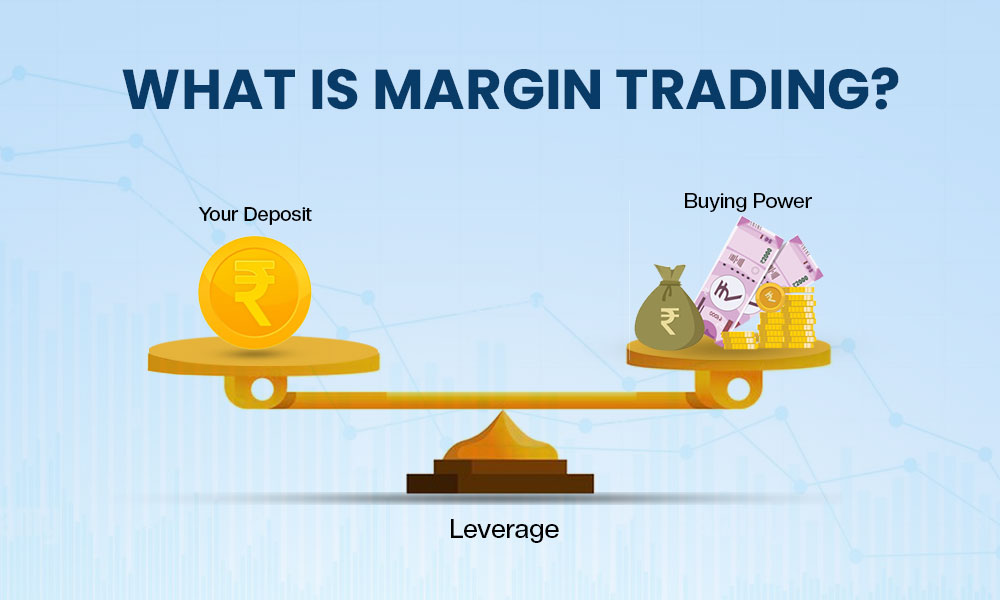
A Margin Trading Facility (MTF) gives eligible investors the opportunity to take a bigger position by allowing them to pay a percentage of the amount due, and the rest is paid by the investor’s broker on the investor’s behalf. However, one must consider extra expenses and risks that come with using this type of trading facility.
What Is a Margin Trading Facility?
MTF is a facility that allows investors to purchase eligible shares by paying an initial margin, while the broker funds the remaining amount, subject to applicable rules and limits. The purchased shares are generally held collateral for the borrowed amount.
This arrangement allows investors to take a position larger than the money they initially contribute. However, any gains or losses depend on the full value of the shares, not just the investor’s contribution.
How Does MTF Work?
The process begins when an investor checks whether a particular share is eligible for MTF and reviews the required margin. After accepting terms and conditions from a facility, the investor makes a payment and posts an order on the broker platform.
The broker then funds the remaining amount of purchase costs at which point the interest is usually charged to the money borrowed for the duration of the transaction. The investor is also required to maintain margin requirements for the broker and clear debts at specified terms.
In case of a rise in share prices, the investor gains the appreciation of their value while net of interest and charges and, for the fall in prices, the loss is also accrued on the whole amount.
This is why MTF requires careful planning rather than relying on expectations of a quick price increase.
Why Do Investors Use MTF?
One reason investors consider MTF is that it allows them to buy eligible shares without arranging the full purchase amount immediately. It may also help them take advantage of a market opportunity when they have limited available capital.
However, increased access to additional funds does not necessarily mean that the investment is worthwhile. A higher position risks increasing profits but also losses.
MTF is probably not a good idea for people who are new to the stock market, who have little savings or cannot afford to take a loss. This should not be considered a replacement for careful financial planning.
Understand the Risks Before Using MTF
Using MTF can increase buying power, but it also exposes investors to higher losses, interest costs and the possibility of forced share sales if margin requirements are not met.
1. Losses Can Increase Quickly
When shares are purchased using borrowed funds, even a modest price decline can affect the investor’s own capital significantly. If the share price drops sharply, the investor may lose a large part of the amount contributed.
2. Interest Adds to the Cost
Brokers generally charge interest on the funded amount. These charges can accumulate while the position remains open. If the share price does not rise enough to cover interest and other expenses, the investment may produce a loss even if the price changes only slightly.
3. Margin Calls May Occur
If the value of the shares drops, or if the margin is increased, the investor will be asked to deposit more funds or eligible collateral, which he has to do within the time frame set by the broker.
4. Shares May Be Sold to Recover Dues
If you fail to deposit additional funds as asked by your broker, they can sell some of the investments to the tune of the amount of money they are asking for. But this could leave you in an unfavorable position.
5. Market Movements Are Unstable
Due to various factors such as company earnings, economic developments, and market expectations, share prices are often subject to fluctuation. Sometimes it can happen that a position that has shown promise turns against the investor with little or no warning.
How to Use MTF More Carefully
Prior to using MTF, investors should study the broker’s terms and conditions and understand the interest rates, shares eligible for financing, margin requirements, and conditions for the sale of securities pledged or funded with the broker.
It is important to always keep cash reserves to cover potential margin calls from the broker; however, one’s emergency fund should not be invested in the stock market to keep a losing position. Finally, investors using MTF for trading should borrow responsibly and avoid exceeding their repayment capacity.
Conclusion
MTF can provide access to a larger stock position with a smaller initial contribution, but the additional buying power comes with borrowing costs and greater financial risk. Investors should understand the terms, assess possible losses, and avoid relying on uncertain market movements. Careful research and disciplined decisions are essential when using borrowed funds. Before getting started, investors can explore the relevant trading features and terms available through 5paisa to understand how the facility works and whether it fits their needs.
