

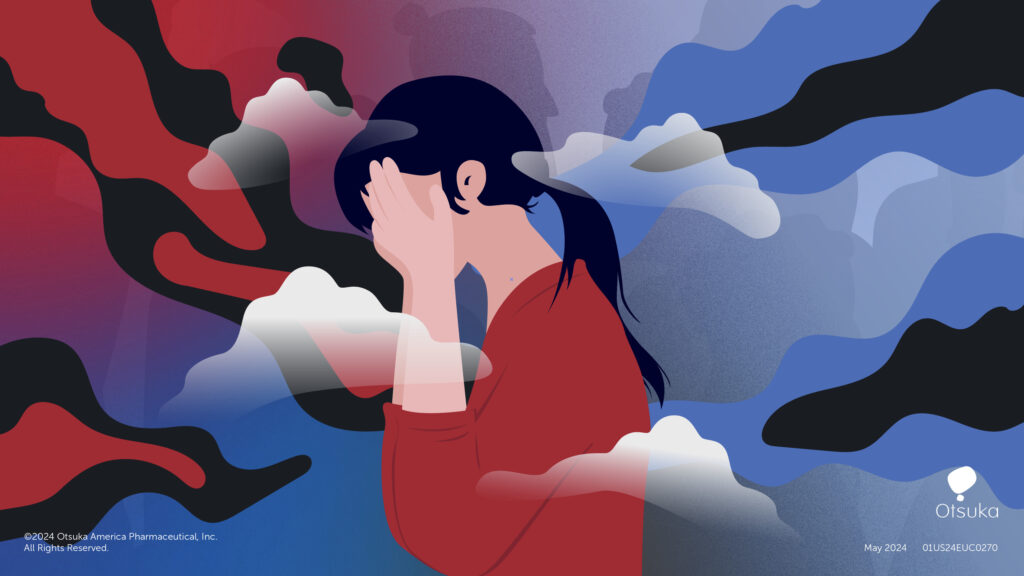
Post-traumatic stress disorder (PTSD) is a complex mental health condition that can develop after experiencing or witnessing a traumatic event. While PTSD has long been associated with combat veterans, psychiatry now recognizes that trauma can stem from many sources — including accidents, medical crises, abuse, natural disasters, and sudden loss. In 2026, advancements in psychiatric research and treatment approaches have significantly improved outcomes for individuals living with PTSD.
Modern psychiatry views trauma through a neurobiological, psychological, and social lens, allowing for more precise diagnosis and individualized care. Early intervention, innovative therapies, and compassionate clinical partnerships are reshaping how recovery unfolds.
Understanding PTSD Symptoms
PTSD is characterized by four primary symptom clusters:
- Intrusive memories such as flashbacks or nightmares
- Avoidance behaviors related to trauma reminders
- Negative changes in mood or thinking, including guilt or emotional numbness
- Heightened arousal, such as irritability, hypervigilance, or sleep disturbances
These symptoms must persist for more than a month and significantly impair daily functioning to meet diagnostic criteria. However, trauma responses exist on a spectrum, and some individuals may experience subthreshold symptoms that still warrant professional support.
A comprehensive evaluation by a qualified Bloomington psychiatrist ensures accurate diagnosis and helps differentiate PTSD from related conditions such as anxiety disorders, depression, or complex trauma.
The Neurobiology of Trauma
Research in 2026 continues to deepen our understanding of how trauma impacts the brain. The amygdala — responsible for detecting threats — becomes hyperactive in PTSD, while the prefrontal cortex, which regulates emotional responses, may show reduced activity. Additionally, the hippocampus, which processes memory, can be affected, contributing to fragmented or intrusive recollections.
This neurobiological insight has guided the development of targeted therapies aimed at restoring balance within these brain circuits. Rather than focusing solely on symptom suppression, psychiatry now emphasizes neural recalibration and long-term resilience.
A Bloomington psychiatrist incorporates this evolving science into personalized treatment plans that address both biological and psychological dimensions of trauma.
Evidence-Based Treatment Approaches
In 2026, PTSD treatment is highly structured, evidence-based, and individualized. The most effective strategies typically involve a combination of approaches:
Trauma-Focused Psychotherapy
Therapies such as cognitive processing therapy (CPT), prolonged exposure therapy (PE), and eye movement desensitization and reprocessing (EMDR) remain gold standards. These approaches help individuals safely process traumatic memories, reduce avoidance, and challenge distorted beliefs related to the trauma.
Medication Management
Certain antidepressants, particularly SSRIs and SNRIs, are approved for PTSD treatment. Medications may reduce intrusive symptoms, improve sleep, and stabilize mood. Careful monitoring ensures that medication complements therapy rather than replacing it.
Neuromodulation and Emerging Therapies
Transcranial magnetic stimulation (TMS) and other neuromodulation techniques are increasingly studied for treatment-resistant PTSD. Research into novel therapies continues to expand treatment options for those who do not respond to traditional approaches.
Working with a Bloomington psychiatrist ensures that these therapies are tailored to the individual’s symptom profile, medical history, and recovery goals.
Trauma-Informed Care and Safety
A key shift in modern psychiatry is the widespread adoption of trauma-informed care. This approach prioritizes safety, trust, collaboration, and empowerment. Patients are never forced to relive trauma prematurely; instead, therapy progresses at a pace that feels manageable and respectful.
Establishing emotional safety is foundational. Many individuals with PTSD struggle with trust or fear vulnerability. A supportive therapeutic alliance with a Bloomington psychiatrist fosters gradual healing and reinforces the patient’s sense of control.
PTSD and Co-Occurring Conditions
PTSD often coexists with depression, anxiety disorders, substance use disorders, and sleep disturbances. Comprehensive care addresses these overlapping challenges simultaneously. Treating only one aspect of mental health may limit overall progress.
In 2026, integrated psychiatric models ensure coordination between therapists, primary care physicians, and other specialists. This holistic approach reduces fragmentation and improves recovery outcomes.
The Role of Technology in Recovery
Technology now supports PTSD treatment in meaningful ways. Secure telepsychiatry platforms allow patients to attend sessions from environments where they feel most comfortable. Mobile applications assist with grounding exercises, relaxation techniques, and symptom tracking between appointments.
Virtual reality exposure therapy has also gained traction, offering controlled simulations that gradually reduce fear responses in safe, supervised settings.
A Bloomington psychiatrist may incorporate these tools into a broader treatment plan, enhancing engagement and continuity of care.
Hope and Long-Term Recovery
One of the most important messages in modern psychiatry is that PTSD is treatable. While recovery timelines vary, many individuals experience significant improvement with consistent, evidence-based care. Healing does not mean forgetting the trauma — it means regaining control over how it affects daily life.
Building resilience, strengthening support networks, and developing coping skills are essential components of sustained recovery. Psychiatry in 2026 focuses not just on symptom relief but on restoring confidence, purpose, and emotional stability.
For those navigating the impact of trauma, partnering with a skilled Bloomington psychiatrist provides access to modern diagnostic tools, compassionate support, and scientifically grounded therapies.
PTSD may begin with trauma, but with appropriate care and commitment, it does not have to define the future. Through personalized psychiatric treatment and ongoing support, individuals can move forward with renewed strength and hope.