

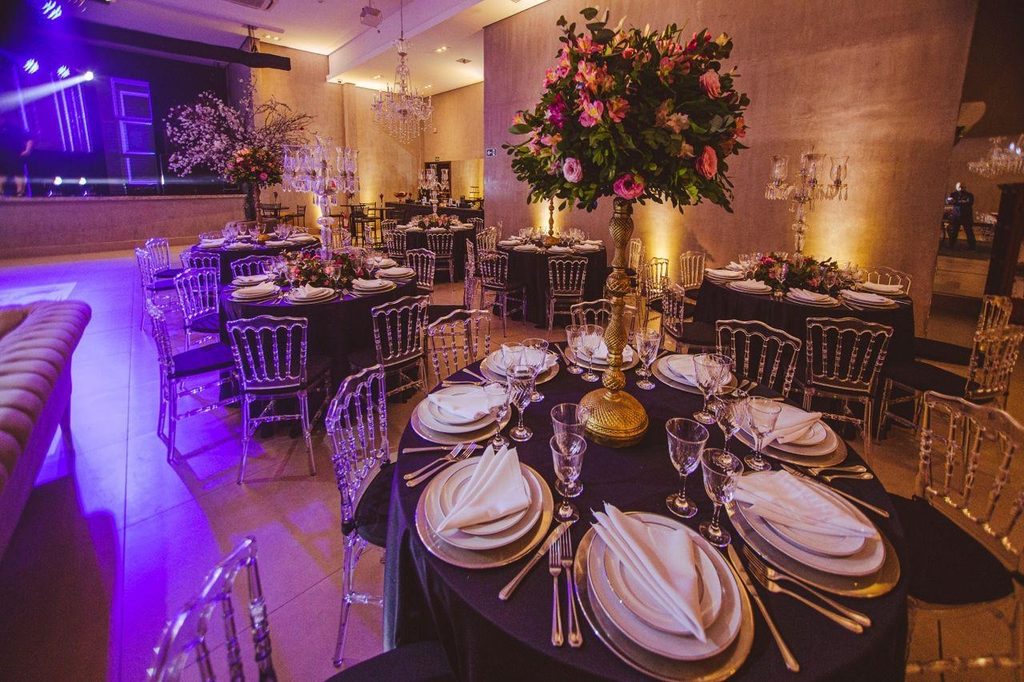
Planning an event is a blast right up until you start looking at the invoices. Suddenly, that intimate dinner or company mixer feels like a financial sinkhole. We’ve all been there. You start with a loose number in your head, and by the time you’ve booked the caterer and secured the space, you’ve somehow spent double what you intended. The panic sets in, and you spend the rest of the planning phase stressing over every single dollar instead of actually looking forward to the party.
It doesn’t have to be this chaotic. Setting a budget for a gathering isn’t about strangling your creativity or settling for cheap appetizers. It’s simply about gaining control of the process so you can actually enjoy the party you’re throwing. A good budget gives you the freedom to say yes to the things that matter because you already know you can afford them.
Let’s walk through four straightforward steps that keep the financial side of your event grounded.
Step 1: Anchor Your Biggest Expenses Early
Every great event has a heartbeat. For most gatherings, that heartbeat is the venue. Before you start getting lost in the weeds of napkin colors or custom playlists, figure out exactly where the bulk of your money is going. Usually, this means locking down the location, food, and beverage minimums.
Let the venue do the heavy lifting for you. Finding a space with natural character means you spend significantly less on decorating. Think about places with built-in charm—like a historic space with vintage brickwork, a candlelit speakeasy vibe, and a staff focused on passion-driven hospitality. If you’re putting together a Private Function Seattle, tapping into a venue that boasts over 130 years of history means the atmosphere is already handled. You just show up and let the bartenders pour the craft cocktails.
When your biggest line items are finalized, the rest of the numbers naturally fall into place.
Step 2: Overestimate the Boring Details
This is where budgets usually go to die. People remember to allocate funds for the DJ and the open bar, but they conveniently forget about taxes, gratuity, and service charges.
Those add up fast. A 20% automatic gratuity on a massive catering bill can completely derail your spreadsheet if you aren’t expecting it.
Give yourself a massive buffer for the boring stuff. I always recommend inflating your estimated costs for rentals, AV equipment, and city permits by at least 15%. If you end up not needing that cushion, you get to keep the extra cash or upgrade the dessert table at the last minute. It’s much better to have breathing room than to panic over an unexpected cleaning fee the morning after.
Step 3: Establish a Reliable Cash Flow for Deposits
Here’s a reality most new planners ignore: vendors don’t care when your company’s accounting department cuts checks. They want their 50% deposit right now to hold your date.
Cash flow timing is the silent killer of event planning. You might have a massive budget approved, but if you don’t have liquid access to cash today for the deposit, you lose your dream venue. You need a strategy to bridge the gap between when bills are due and when your main funding clears.
Sometimes this means utilizing a dedicated credit line. Other times, it means leveraging flexible short-term funding options that offer fast approval without drowning you in paperwork. For example, some folks use a trusted brokerage firm like Lamina when they need a secure, temporary cash injection. With their system, you don’t even need to send in documents—everything is handled through secure online banking verification, and funds hit your account via e-transfer within an hour. Having that kind of flexible, fast safety net means you never miss out on securing your preferred vendors just because a bank transfer is delayed.
Step 4: Track the Money the Second It Moves
Spreadsheets aren’t exactly glamorous, but they are your best friend right now. The biggest mistake you can make is waiting until the end of the week to log your expenses. By then, you’ve forgotten about the deposit you put down on the floral arrangements or the rush fee you paid for custom invitations.
Log it immediately. The second your card is swiped or an e-transfer goes out, update your master sheet. If you’re working with a team or a co-host, make sure everyone has access to a shared document so nobody is spending blindly in a vacuum.
Keep your tracker simple. You don’t need a complex software system with pie charts and automated projections. A basic grid showing the estimated cost, actual cost, payment due dates, and who is responsible for the bill will save your sanity. When you can see the financial reality of your event at a single glance, you stop making stress-based decisions and start making strategic ones. You’ll know instantly if you need to cut back on the gift bags to afford the upgraded lighting package.
