

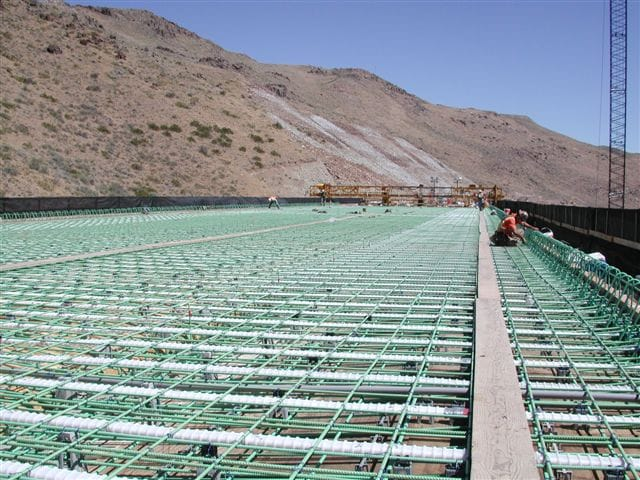
Concrete structures have a well-known enemy, and that is salt. Chloride exposure is rapid and destructive to steel reinforcement whether it occurs from seawater or de-icing chemicals.
And have since been their primary goals, which is why builders are emphasizing in using epoxy rebar in high-chloride environments to preserve structural integrity long term.
The Problem with Chlorides
Chlorides penetrate concrete over time. The moment they come into contact with steel; they start corroding on it. Rust spreads, creates fissures in the cement, and makes the entire structure weaker.
So, in high-chloride exposure environments, the practical alternative is using epoxy rebar. It also forms a protective barrier, which helps to slow down this process.
How Epoxy Coating Protects Steel?
There is an extremely thin, tough layer over the rebar made of Epoxy-coated rebar, which protects its interior part (steel) from moisture and salt.
This coating:
- Blocks chloride penetration
- Mitigates direct contact with corrosive agents
- Extends the lifespan of reinforcement
The result is one of the reasons for which the use of epoxy rebar is generally specified for durability critical applications in high-chloride environments.
When This Method Works Best?
Some places live in the glare of chlorides. Normal steel might fail much earlier in these zones.
Epoxy rebar is frequently observed being utilized in high-chloride locations such as:
- Coastal bridges and piers
- Marine construction projects
- Roads treated with de-icing salts
- Parking structures exposed to snow and salt
No one has the luxury of determining if added protection is optional when these conditions arise − it is essential.
Advantages Beyond Corrosion Resistance
Using epoxy-coated rebar is more than a protective option.
- Longevity: They enjoy a longer lifespan and less complication.
- Fewer repairs: Reduced maintenance costs
- Improved safety: Buildings that are more durable and age in place
The above benefits make the usage of an epoxy rebar a smart long-term investment in a high-chloride environment.
Important Handling Considerations
For that to function the coating will not fall off. It’s a combination of circumstances that casts healing lights on the durability of much less than half damaged.
To maintain quality:
- Handle rebar carefully during transport
- Don’t scrape or chip the coating off
- Inspect to search for any sort of damages as well as repair work prior to installation
Such processes ensure the performance of epoxy rebar when exposed to high chloride zone.
Building to Last Just Became a Little Smarter
Contemporary construction is gradually moving towards elements that cope with such conditions more appropriately. Durable used to be a benefit − now it is expectation.
Environmental Product Declaration (EPD) products help builders utilize epoxy rebar in high-chloride environments to build structures that last through the test of time, weather, and corrosion.
Final Thoughts
In many projects, salt exposure is unavoidable, but damage does not have to be! Having the right materials is key.
With good design and attention, using epoxy rebar in high-chloride environments, will lead to stronger, more durable structures with lower maintenance costs, and providing greater value over their life cycle.
