

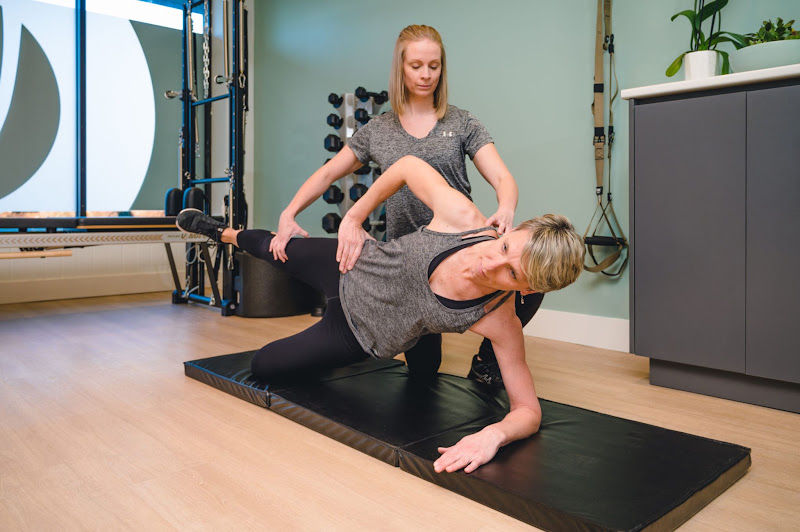
Ask most people what “core strength” means, and they’ll point to their abs. Fair enough, that’s the popular image. But here’s the thing: a strong core isn’t about a six-pack. It’s about control. It’s the quiet system of muscles working behind the scenes every time you bend to tie your shoe, twist to grab something off a shelf, or simply stand up straight without thinking about it.
A stable core does a lot of heavy lifting, literally and figuratively. It supports your spine. It keeps your posture from collapsing by 3 p.m. It’s the reason you don’t tip over reaching for a coffee mug. And when it’s weak or working out of sync, that’s often when pain shows up, in your back, your hips, your knees, places you’d never think to connect to your midsection.
This is where Total Performance Physical Therapy comes in. Our team doesn’t hand you a generic ab routine and call it a day. They dig into what’s actually causing your pain or instability, then build a program around that. The goal isn’t just relief today, it’s mobility that lasts.
What Is Core Strength and Stability, Really?
Understanding Your Core Muscles
Your core isn’t one muscle. It’s a whole team: the abdominals up front, the lower back muscles bracing from behind, the pelvic floor underneath, the diaphragm up top, and the hips and glutes rounding out the crew. All of these work together, more or less constantly, whether you’re aware of it or not.
Core Strength vs. Core Stability
Strength and stability sound like the same thing. They’re not. Strength is about how much force a muscle can produce. Stability is about control: your body’s ability to keep your spine and pelvis in a good position while you move. You can have strong abs and still have a wobbly, unstable core. Both pieces matter. Miss one, and pain-free movement gets a lot harder to achieve.
Why Core Strength Matters for Pain-Free Movement
A well-functioning core supports your spine through basically everything you do: walking, lifting, reaching, even sitting. It improves posture and body mechanics, which takes pressure off your lower back and joints. It sharpens balance and coordination. Athletes get a performance boost from it too. And maybe most importantly, it helps prevent the kind of everyday injuries that sneak up on people, a tweaked back from picking up a laundry basket, a rolled ankle on uneven ground.
Signs Your Core May Be Weak
Not sure if this applies to you? Watch for these: frequent lower back pain, posture that slumps without you noticing, trouble keeping your balance, feeling wiped out from tasks that shouldn’t be tiring, unsteadiness while walking or exercising, and muscle strains that keep coming back. Any of these ring a bell? You’re not alone, and it’s fixable.
Everyday Habits That Can Weaken Your Core
Modern life isn’t exactly core-friendly. Long hours sitting at a desk, limited movement throughout the day, slouched posture, lifting things the wrong way, and skipping core work during workouts, all of it adds up over time. None of these habits feel dangerous in the moment. That’s exactly the problem.
How Physical Therapy Helps Build Core Strength
A good program starts with a real movement assessment, not guesswork. From there, a therapist identifies specific muscle imbalances and builds a strengthening plan around what your body actually needs, not a one-size-fits-all worksheet. Balance and stability training gets folded in alongside functional exercises that mirror real life, and progress gets monitored and adjusted as you improve. This is also where physical therapy for back pain East Norriton patients often find the most relief, since treatment is built around their specific movement patterns rather than a generic back-pain protocol.
Core Exercises That Improve Stability
Some of the most effective moves are simple: pelvic tilts, dead bugs, bird dogs, glute bridges, side planks, and modified planks. None of these require fancy equipment. What they require is consistency, and doing them with proper form, which a therapist can help fine-tune.
Tips for Maintaining a Strong Core
Stay active. Practice good posture, even when nobody’s watching. Lift with your legs, not your back. Work core strengthening exercises into your weekly routine, not just once in a while. Stretch regularly. And progress gradually; rushing tends to backfire. Consistent core strengthening exercises, paired with smart pacing, build a foundation that actually holds up over time.
If balance is part of your struggle, balance training North Wales residents have access to through Total Performance Physical Therapy focuses on exactly this kind of steady, progressive approach, building stability without overloading the body before it’s ready.
Why Choose Total Performance Physical Therapy?
Every program is individualized, no cookie-cutter plans. Patients get one-on-one care from experienced physical therapists who use evidence-based rehabilitation techniques and functional exercises designed for real, everyday movement. Just as important, patients get educated along the way, so they understand how to keep injuries from coming back. It’s not just treatment; it’s injury prevention physical therapy built into the process from day one.
For anyone dealing with recurring back pain, physical therapy for back pain East Norriton care through Total Performance addresses root causes, not just symptoms, because chasing symptoms alone rarely solves the problem long-term.
The Bottom Line
Core strength is the foundation of pain-free, confident movement. It’s not glamorous, and it’s easy to overlook until something starts hurting. Don’t wait for that moment. Whether you’re managing existing pain, working on balance, or simply want to move through life without wincing, effective injury prevention physical therapy and thoughtful, individualized care can make a real difference.
So don’t wait around hoping it gets better on its own. Book an evaluation with Total Performance Physical Therapy. Your back, your balance, and your future self will thank you.
