

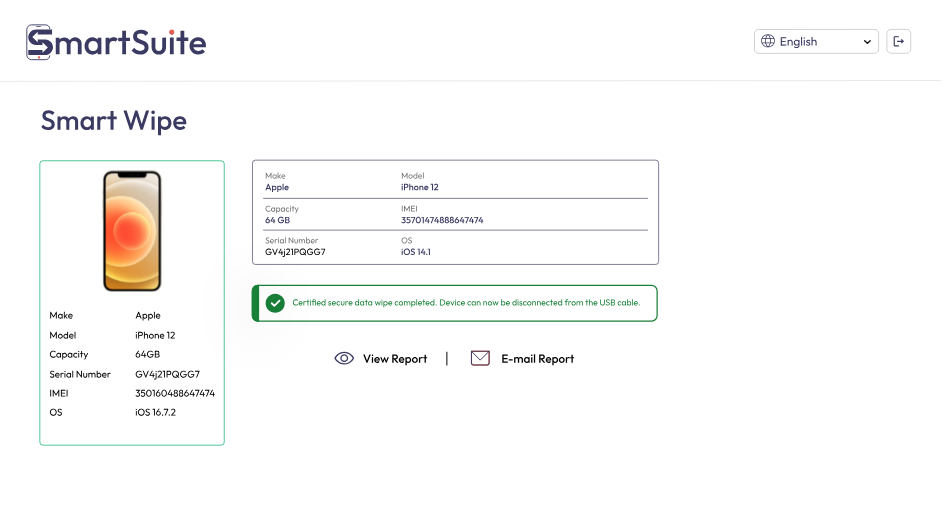
As mobile devices become central to both business and personal life, ensuring that sensitive data is completely removed from devices before resale, trade-in, or recycling is more important than ever. For businesses managing multiple devices, secure data erasure is a critical step in protecting customer information, complying with regulations, and maintaining trust.
Proper data erasure goes beyond a simple factory reset—it involves certified wiping processes that remove all personal and corporate data without compromising device functionality. Here’s a detailed guide on why secure erasure matters and how businesses can implement it effectively.
What is Secure Data Erasure?
Secure data erasure is the process of completely removing all data from a mobile device so that it cannot be recovered, even with advanced recovery tools. Unlike simple deletion or factory resets, secure erasure ensures that:
- Customer or corporate data is fully destroyed
- Devices are safe for resale, trade-in, or refurbishment
- Compliance with privacy regulations is maintained
For businesses handling trade-ins or device resale programs, secure data erasure is not optional—it’s a necessity.
Why Secure Data Erasure Matters
Secure data erasure provides several critical benefits for businesses:
- Protects Sensitive Information
Customers trust that personal information—contacts, messages, photos, and financial data—is fully erased. Secure wiping prevents breaches and safeguards privacy. - Ensures Compliance
Regulations such as GDPR, HIPAA, and other regional privacy laws require proper handling and disposal of personal data. Certified erasure helps businesses stay compliant. - Preserves Device Value
Properly erased devices are ready for resale or refurbishment without compromising functionality, maintaining maximum value. - Reduces Liability
Preventing data leaks protects businesses from legal and reputational risks associated with mishandled customer information.
How Secure Data Erasure Works
Secure data erasure involves multiple steps to guarantee that no data remains on a device:
1. Data Backup and Transfer
Before erasure, businesses may offer customers the option to transfer their data to a new device. This step ensures that important files, contacts, and media are preserved.
2. Certified Wiping Processes
Using recognized industry standards, secure erasure software completely overwrites existing data. This ensures that recovery is impossible while maintaining the device’s functionality.
3. Verification
After erasure, devices undergo verification checks to confirm that all data has been removed. Comprehensive reports may be generated for auditing and compliance purposes.
4. Integration with Workflow
Secure erasure can be integrated into broader device management workflows, including diagnostics, trade-ins, and resale processing, allowing businesses to streamline operations and maintain accuracy.
Common Misconceptions About Data Erasure
Businesses must understand that not all deletion methods are safe:
- Factory Resets Are Not Enough: While they remove visible data, remnants can often be recovered using advanced tools.
- Manual Deletion Is Risky: Simply deleting files or apps does not guarantee permanent removal.
- Reusing Devices Without Erasure Is Dangerous: Any un-erased device poses a risk of data exposure and liability.
Certified secure erasure is the only reliable way to ensure that devices are safe for reuse or resale.
Best Practices for Businesses
Implementing secure data erasure effectively requires following best practices:
- Use Certified Tools
Adopt software solutions that comply with recognized industry standards for data wiping. - Integrate With Device Lifecycle Management
Combine diagnostics, data transfer, and erasure in a structured workflow to reduce errors and streamline operations. - Automate Processes for Scale
Automation ensures that large volumes of devices can be erased quickly and consistently, without manual intervention. - Verify and Document
Always verify that data is fully erased and maintain records for compliance audits or customer assurance. - Train Staff
Employees handling devices should understand the importance of secure erasure and be trained in certified wiping procedures.
Benefits for Trade-In and Resale Programs
Secure data erasure is particularly important for businesses running trade-in or resale programs:
- Customer Confidence: Users are more likely to participate in trade-in programs if they know their data will be completely wiped.
- Operational Efficiency: Automated secure wiping processes reduce time and labor costs, especially when handling bulk devices.
- Maximized Resale Value: Devices that are wiped properly are ready for resale or refurbishment, preserving maximum market value.
- Sustainability: Ensuring devices are reused safely supports circular economy principles and reduces electronic waste.
The Connection Between Diagnostics and Data Erasure
Secure data erasure works best when integrated with device diagnostics and health checks:
- Diagnostics identify device health and battery condition, ensuring devices are functional before wiping.
- Erasure is performed after confirming that devices are in good working order.
- Post-erasure diagnostics can verify that the device remains operational and ready for the next stage.
This integration creates a smooth, end-to-end process that protects both data and device value.
Challenges in Secure Data Erasure
While secure erasure is essential, businesses may face challenges such as:
- Managing High Device Volumes: Bulk erasure requires scalable solutions to avoid delays.
- Cross-Platform Devices: Different operating systems may require different erasure methods.
- Ensuring Compliance: Businesses must stay updated on regional and global privacy regulations.
- Maintaining Device Integrity: Wiping must remove all data without damaging hardware or software functionality.
Overcoming these challenges requires robust software solutions, automated workflows, and staff training.
Why Businesses Should Prioritize Secure Erasure
Prioritizing secure data erasure is not just about protecting information—it’s a strategic business move:
- Enhances Customer Trust: Customers are more likely to engage with trade-in and upgrade programs.
- Reduces Legal Risk: Compliance with privacy regulations reduces liability.
- Supports Sustainability: Devices can be safely reused, refurbished, or recycled.
- Improves Operational Efficiency: Streamlined workflows save time and resources.
By making secure erasure a core part of device management, businesses safeguard their operations and reputation.
Conclusion
Secure data erasure is a critical component of modern Mobile Device Lifecycle Management. For businesses managing trade-ins, upgrades, or resale programs, it ensures:
- Complete protection of sensitive customer and corporate information
- Compliance with privacy and data security regulations
- Maximum device value for resale or refurbishment
- Efficient, automated workflows for bulk device processing
Implementing certified, automated, and verified secure erasure processes allows businesses to streamline operations, protect customer trust, and support sustainability initiatives.
In today’s digital-first environment, secure data erasure is no longer optional—it is an essential part of responsible and profitable device lifecycle management.
