

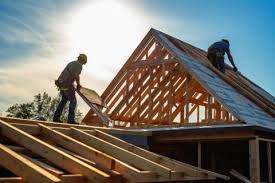
A roof does far more than complete the look of a home. It acts as the first layer of protection against heavy rain, strong winds, intense summer heat, and seasonal storms that can gradually wear down roofing materials over time. In Georgia, where weather conditions can shift dramatically throughout the year, homeowners often face roofing issues sooner than expected if regular maintenance is overlooked.
While many people focus on interior upgrades or landscaping projects, the roof is one of the most important long-term investments a homeowner can make. Understanding how climate, maintenance habits, and material choices affect roofing performance can help homeowners avoid expensive repairs and preserve their property value for years to come.
Why Georgia Weather Creates Roofing Challenges
Georgia experiences a combination of heat, humidity, storms, and seasonal rainfall that can place continuous stress on residential roofs. Even high-quality roofing systems eventually show signs of aging when exposed to changing environmental conditions year after year.
Some of the most common weather-related roofing issues include:
- Heat-related shingle deterioration
- Moisture buildup and mold growth
- Wind damage after storms
- Flashing separation around vents and chimneys
- Water intrusion from clogged gutters
- Premature aging caused by UV exposure
These problems often begin gradually and remain unnoticed until leaks or structural damage become visible indoors. Regular inspections and preventative care are essential for catching small issues before they become major expenses.
The Importance of Routine Roof Inspections
One of the simplest ways to extend the life of a roof is through regular inspections. Many homeowners wait until visible leaks appear before contacting a professional, but by that point, hidden water damage may already exist beneath the shingles.
A proactive inspection schedule allows homeowners to identify:
Loose or Missing Shingles
Strong winds and storms can loosen roofing materials over time. Missing shingles expose the underlayment and decking to moisture, increasing the risk of leaks.
Flashing Damage
Flashing seals vulnerable areas around vents, skylights, and chimneys. Cracked or separated flashing can create small openings that allow water to enter.
Gutter Problems
Blocked gutters can force water to back up beneath roofing materials. Overflowing water may also damage fascia boards and siding.
Signs of Moisture
Dark spots, mold growth, or sagging areas often indicate trapped moisture beneath the roof surface.
For homeowners seeking regional insight into roofing conditions and maintenance recommendations,roofers Peachtree City Georgia can provide helpful context about common roofing concerns in the area.
Choosing Roofing Materials That Match the Climate
Not all roofing materials perform equally in every environment. Selecting the right material for Georgia’s climate can significantly impact longevity, energy efficiency, and maintenance requirements.
Asphalt Shingles
Asphalt shingles remain one of the most common roofing options because they are affordable and versatile. Modern architectural shingles can provide improved wind resistance and longer lifespans compared to older three-tab designs.
Metal Roofing
Metal roofing has become increasingly popular in warmer climates because it reflects heat effectively and withstands severe weather conditions well. Although the upfront cost may be higher, metal roofs often require less maintenance over time.
Tile Roofing
Clay and concrete tiles provide excellent durability and heat resistance, though they are heavier than other roofing materials and may require additional structural support.
Synthetic Roofing Products
Newer synthetic materials are designed to mimic traditional roofing styles while offering enhanced durability and lighter weight.
Choosing materials should involve more than appearance alone. Factors such as ventilation, insulation compatibility, local weather patterns, and long-term maintenance expectations all play important roles.
Ventilation Is Often Overlooked
Many homeowners focus only on shingles while overlooking attic ventilation. However, ventilation directly affects roof performance and lifespan.
Poor ventilation can trap heat and moisture inside the attic, creating several problems:
- Increased cooling costs during summer
- Condensation buildup during cooler months
- Mold growth
- Warped decking materials
- Premature shingle deterioration
A properly balanced ventilation system helps regulate attic temperature and moisture levels year-round. Ridge vents, soffit vents, and attic fans may all contribute to improved airflow depending on the home’s design.
Warning Signs That Should Never Be Ignored
Roofing problems rarely improve on their own. Small warning signs often indicate larger underlying issues that may worsen over time.
Homeowners should pay close attention to:
Interior Water Stains
Brown ceiling stains or peeling paint can indicate a roof leak, even if active dripping is not visible.
Granules in Gutters
Excessive shingle granules found in gutters may signal advanced shingle wear.
Sagging Rooflines
A sagging section of roof may indicate structural weakness or moisture damage beneath the surface.
Rising Energy Bills
Unexpected increases in heating or cooling costs can sometimes result from poor insulation or roofing ventilation issues.
Addressing these warning signs early can reduce repair costs and help prevent more serious structural complications.
Seasonal Maintenance Tips for Homeowners
Consistent seasonal maintenance can dramatically extend the lifespan of a roof.
Spring
- Inspect for storm damage
- Clean gutters and downspouts
- Check for mold or algae growth
- Examine flashing around roof penetrations
Summer
- Monitor attic heat levels
- Trim overhanging tree branches
- Watch for signs of UV-related shingle wear
Fall
- Remove leaves and debris
- Ensure gutters remain clear before heavy rainfall
- Inspect seals around vents and chimneys
Winter
- Monitor for moisture issues in the attic
- Check ceilings for signs of leaks after storms
- Watch for loose shingles following high winds
Simple maintenance routines often help homeowners avoid emergency repairs during severe weather seasons.
How Professional Maintenance Protects Long-Term Value
A roof impacts more than weather protection alone. It also influences energy efficiency, resale value, curb appeal, and insurance considerations.
Potential buyers frequently view roof condition as one of the most important aspects of a home inspection. An aging or poorly maintained roof can reduce buyer confidence and create delays during real estate transactions.
Professional roofing evaluations can provide:
- Accurate assessments of roof condition
- Maintenance recommendations
- Early identification of hidden damage
- Guidance on repair versus replacement decisions
- Documentation useful for insurance claims or property sales
Working with experienced professionals also helps homeowners understand which repairs are truly necessary and which preventative measures offer the best long-term value.
Investing in Prevention Instead of Emergency Repairs
Many roofing emergencies begin as small issues that were ignored for too long. A minor leak, damaged flashing, or clogged gutter can gradually lead to water intrusion, insulation damage, mold growth, and structural deterioration.
Preventative maintenance is almost always more affordable than emergency restoration work. Scheduling periodic inspections, maintaining ventilation systems, and addressing small repairs quickly can significantly reduce the likelihood of unexpected roofing failures.
Homeowners who take a proactive approach often experience:
- Longer roof lifespan
- Lower repair costs over time
- Improved energy efficiency
- Better indoor comfort
- Greater peace of mind during storm season
Conclusion
Roof maintenance is one of the most important responsibilities of homeownership, especially in regions where changing weather conditions place constant stress on residential structures. Understanding the effects of climate, ventilation, materials, and routine care allows homeowners to make smarter decisions that protect both their homes and long-term investments.
By paying attention to early warning signs and committing to regular maintenance, homeowners can reduce costly surprises and extend the performance of their roofing systems for many years. Whether addressing minor repairs or evaluating long-term roofing plans, informed decisions today can prevent major complications tomorrow.