

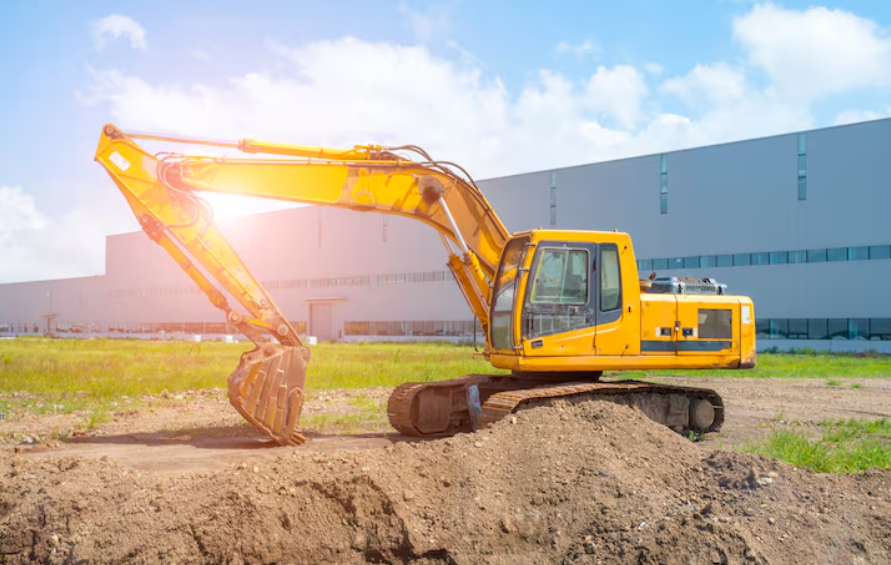
In the dynamic world of construction, excavators play a crucial role in ensuring project efficiency and timeliness. Whether you are engaged in a small residential build or a large-scale commercial construction, understanding how to effectively excavator hire can significantly impact your operations.
Understanding Your Project Needs
Before embarking on the process of hiring an excavator, it is vital to have a clear understanding of your specific project requirements. This includes the type of terrain, the volume of earth to be moved, and the overall scope of the construction project. By precisely defining these parameters, you can select the type and size of excavator best suited to your needs.
Choosing the Right Excavator
Excavators come in a range of sizes and configurations, and choosing the right one is critical to project efficiency. Mini-excavators are ideal for tight spaces and smaller jobs, while larger excavators are better suited for vast, open construction sites that require the movement of large amounts of earth.
The weight and reach of the excavator should also be taken into consideration. A machine that is too heavy could damage the site, while one with insufficient reach might not complete the task effectively. Making an informed choice will save time, reduce costs, and increase productivity on-site.
Considering Equipment Attachments
Modern excavators are equipped with various attachments that enhance their functionality. From breaking concrete to drilling holes, the right attachment can expand the versatility of your hired excavator. Understanding which attachments are necessary for your project can streamline operations and improve results.
Calculating Costs and Budgeting
Effective budgeting is crucial when hiring heavy machinery. It is important to consider all associated costs, including equipment hire, delivery, fuel, and maintenance. A comprehensive budget will prevent unexpected expenses and ensure the financial feasibility of your construction project.
Negotiating Hire Terms
Understanding and negotiating the terms of hire is essential to secure a favourable deal. This includes establishing the duration of hire, insurance coverage, and responsibilities for equipment maintenance. Clarity on these aspects will mitigate potential disputes and guarantee smooth operations throughout the project.
Ensuring Proper Operator Training
The efficiency of your construction project is highly dependent on the expertise of the operator. It is crucial to ensure that your team is trained to operate the hired excavator safely and efficiently. Alternatively, consider hiring an operator who is familiar with the specific equipment model to maximise output.
Managing Logistics and Transportation
The logistics of moving an excavator to and from the construction site can be complex. Plan this process carefully to avoid delays. Factors to consider include the transportation method, permits, and logistical costs. Proper planning will enhance project timelines and reduce transportation-related risks.
Maintaining Safety Standards
Construction sites present numerous hazards, and maintaining high safety standards is paramount. Ensure that the hired excavator is in excellent condition and fully compliant with safety regulations. Regular equipment inspections and adherence to safety protocols will protect personnel and equipment alike.
Monitoring and Maintenance
Regularly monitor the performance of the excavator during the hire period. Maintaining a routine maintenance schedule can prevent equipment failure, reduce downtime, and extend the lifespan of the machine. This proactive approach will keep the project on track and safeguard against operational disruptions.
Reviewing Performance Metrics
Analysing performance metrics throughout the excavation process helps in identifying areas for improvement. Keep track of fuel consumption, operation times, and production output. Insights gained from these metrics allow for informed decisions, promoting efficiency and cost-effectiveness.
Securing Reliable Support
Partnering with a reputable service provider who offers reliable support is crucial when hiring heavy machinery. In the event of any technical issues, swift access to assistance can minimise delays. Choose an equipment provider known for excellent customer service and comprehensive support.
Evaluating Environmental Impact
Contemporary construction projects increasingly focus on sustainability and environmental impact. When hiring an excavator, consider eco-friendly options to reduce the carbon footprint of the project. Electric and hybrid excavators may offer significant environmental advantages over traditional diesel-powered options.
Future Planning and Optimisation
Finally, consider the long-term requirements of your project. Effective planning for the present can lead to future benefits. Assess whether continuous excavator hire is more beneficial than purchasing equipment, depending on the anticipated future workload and project frequency.
In conclusion, strategic planning and informed decision-making are vital when hiring an excavator for your construction project. By considering these top tips, you can enhance operational efficiency, maintain budgetary constraints, and achieve project goals with greater ease.