

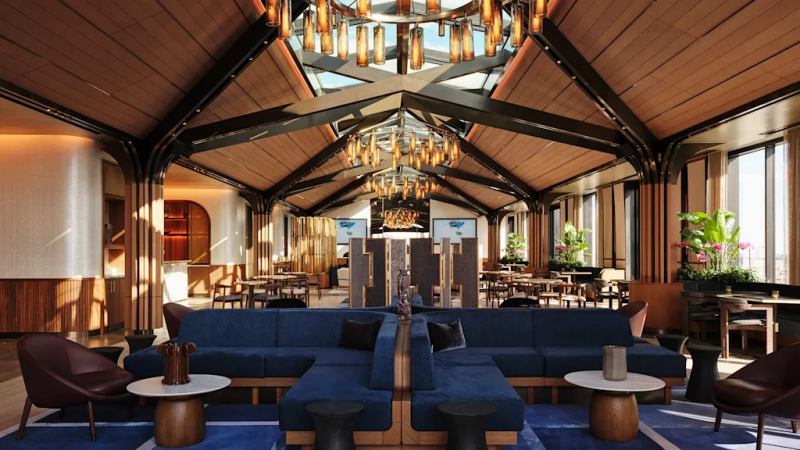
For anyone who worked in an office before the turn of the century, you’ll remember a time of 9-5 schedules. You’d see cubbies, cubicles, or closed offices, and small lunch rooms with vending machines and a fridge. The idea was that you showed up to work, did your job mostly by yourself, took a couple of short breaks, and headed home. But in recent decades, a marked change in attitudes toward the office and work has taken place.
Here’s how companies are addressing that change:
People Want to Connect at Work, Not Just Log In
There’s no denying that people are feeling less connected than ever, and the global pandemic had a lot to do with that. But even before 2020, employees spent more time in their cubicles, cars, and apartments than with each other. COVID-19 simply exacerbated an already pressing issue. And for all these years, offices have been trying to keep up, but they couldn’t quite figure out how. It’s not easy to move from keeping people alone and to themselves to bringing them together.
But figuring it out is exactly what many offices are doing now. Rather than allowing people to hide in their offices or behind computers, many businesses are bringing employees in for the express purpose of socializing. Companies are calling on office relocation services and asset inventory management to help move furniture around, rethink permanent and temporary walls, reconfigure spaces, and store furniture. Now, when you walk into an office, you’ll likely see an employee with a mentor on an office couch, having coffee, or coworkers in club chairs chatting over snacks.
Collaboration Is Becoming the Core Office Workflow
What are those coworkers doing, you might ask? Well, they could simply be talking about the weather or the latest Marvel movie. But chances are they’re collaborating. The reality of past office experience is that collaboration was almost a bad word. The environment was highly competitive and cutthroat in many cases, and sharing information was seen as self-destructive. Anyone could take your ideas and use them against you.
The new workflow has shifted to one that, in the vast majority of offices, encourages and even rewards collaboration. Now, communal spaces, open offices, and a wealth of conference rooms hold space for even the sparks of an idea to come to fruition among collaborative colleagues. Add to that an increase in mentorship programs, career coaching, and training and development programs, and you’ve got a whole new workplace.
Workplace Experiences Are Making the Commute Worth It
Still, the reality is that the changes discussed here so far are simply a matter of moving furniture around and taking down walls. It’s a start, yes, but if you really want to get people back into the office and excited to be there, you’ve got to create experiences. During COVID, people got used to working from laptops at their kitchen tables in their pajamas. They did breakfast dishes before fixing their hair, jumped on a Zoom call, and folded a load of laundry. In this way, life got significantly easier because it simply brought work home.
Now, asking people to come back into the office means providing something worth leaving the comfort of their home for. You have to answer the question, “Why should I come in?” Today’s companies are working overtime to provide a near-luxury experience for employees willing to come into the office at least a few days a week. Amenities include everything from catered lunches to happy hours, and from team-building activities to volunteering opportunities.
Employee Well-Being Is Now Built Into Office Design
Another big lesson learned during the pandemic is the importance of well-being. People’s mental health suffered, and virtually everyone gained weight from a lack of movement (and too much bread baking). Previously, you would be hard-pressed to find an office that placed any importance on health and wellness, much less prioritized it. The thinking was that you got the legally mandated half-hour lunch, and if you wanted exercise or self-care, you would do that on your own time.
Today, however, many businesses seek out office spaces that have space to build gyms, yoga studios, meditation rooms, and more. Those catered lunches mentioned above are usually packed with lean proteins and fibers, and the coffee service is organic, with healthy sweeteners and alternative milks to choose from. Companies are coming to terms with the fact that the healthier their employees are, the more likely they are to be engaged and focused in their work. So why not build health and wellness into the floorplan?
Flexibility Is Redefining How Offices Are Used
Finally, none of the perks and changes discussed here mean anything if employees don’t have flexibility. If you’ve spent any time in corporate America, you’ve likely heard horror stories of employees who have worked through their lunches, been denied paid time off, and been forced into unwanted overtime. This grueling approach to full-time employment is likely what led to the quiet quitting trend in the first place.
Fortunately, more and more businesses understand that happy, healthy employees with options for flexibility are more likely to stay loyal and stay longer, keeping retention high. Companies don’t need to have employees in the office every day, all day. Employees don’t have to work 40 hours to get their jobs done. And benefits packages that include several weeks of sick time and vacation pay, not to mention paid personal days, actually improve office morale. As employers become more flexible, the entire office becomes much more than “just a space.”
In the end, most people really do want to do work they find meaningful, and that can come in many forms. It might be sales and marketing. Maybe it’s accounting or human resources. Or it could be innovation and technology. But no matter what the work is, it’s that much more meaningful with a company that shows it cares about its people. And it’s not hard to do that when you create an office space that’s welcoming, encouraging, and, frankly, fun.